Ending an email to a professor can feel like a high-stakes moment. You want to convey respect, professionalism, and clarity, while leaving a positive impression. This is especially important when asking for advice, discussing coursework, or seeking recommendations. A well-chosen closing can set the tone for future interactions, so it’s worth considering how you approach it.
Many students overlook this crucial part of their messages. You might brainstorm the content of your email, but if the conclusion feels rushed or unclear, it might overshadow your main points. Whether you’re a freshman in college or a master's candidate, the way you communicate matters.
Think about how you want your professor to perceive you: respectful and organized, or careless and vague? Taking a moment to reflect on your closing can help you express exactly what you aim to achieve, whether it’s a simple acknowledgment of their time or a more personal note yet to foster future communication.
Core Components of Ending an Email to a Professor
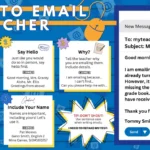
Ending an email to a professor may seem straightforward, but it requires attention to detail and professionalism. Such closures leave a lasting impression and convey respect. Here’s how to structure your ending effectively.
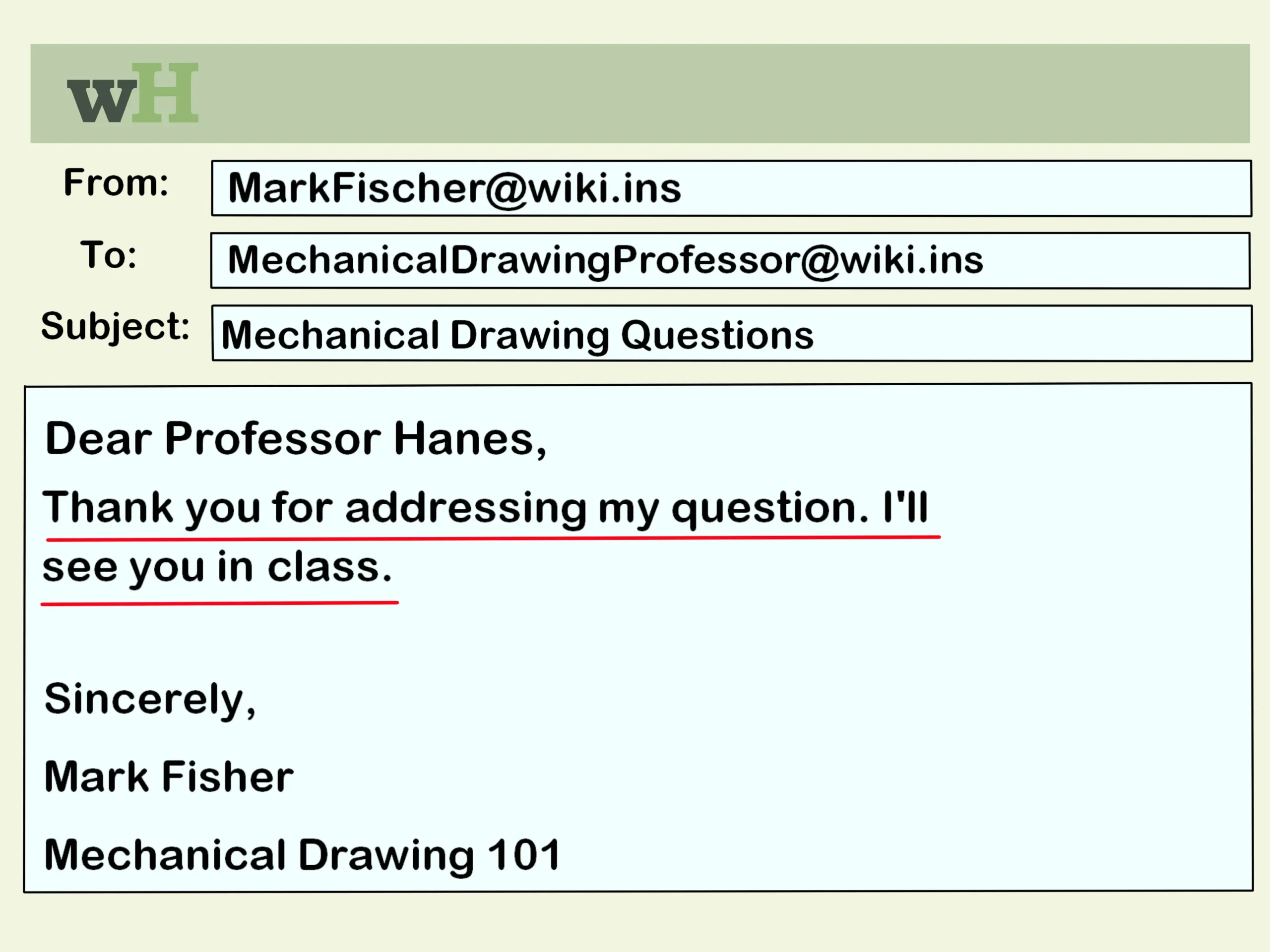
- Sign-Off: Choose a polite closing remark. Options include “Best regards,” “Sincerely,” or “Thank you.” Each of these conveys a different tone—select one that matches the context of your email.
- Your Name: Always provide your full name. This clarity helps the professor identify you easily.
- Your Contact Information: If necessary, include your phone number or additional contact details, especially if you're discussing past discussions or need quick follow-up.
- Affiliation: If you are a student, include your program and year or your position, for instance, "Undergraduate Student, Biology, Year 3." This context helps the professor place you within their larger teaching environment.
- Additional Notes: If there’s something pertinent to your discussion—like mention of an attachment or previous email—you can briefly highlight this before closing.
| Sign-Off Example | Context |
|---|---|
| Best regards, | General use, friendly yet professional. |
| Sincerely, | Formal situations or when submitting applications. |
| Thank you, | When expressing gratitude for assistance or guidance. |
Remember, maintaining a respectful tone throughout your email, including the closing, reinforces your professionalism. The way you end an email can solidify your relationship with the professor, fostering better communication in the future.
If security is a consideration, you might also look into sending encrypted emails for added privacy in your communications.
Real-World Examples of Closing Emails to a Professor
Expressing Gratitude
Thanking your professor for their time or assistance in your studies can leave a positive impression.
Why this matters: Acknowledging their effort fosters a sense of appreciation, enhancing your rapport with them.
Request for Feedback
Asking for feedback on your recent assignment or a project indicates your desire to learn and improve.
Why this matters: Seeking input demonstrates engagement and a proactive approach towards your academic growth.
Confirming Meeting Details
Listing the date and time of your meeting in the closing line clarifies arrangements and shows respect for their schedule.
Why this matters: Establishing clarity prevents misunderstandings, ensuring efficient communication and scheduling.
Indicating Availability
Stating your availability for further discussion or questions provides an open channel for continued dialogue.
Why this matters: Offering your availability invites collaboration, showing you value their input and expertise.
Using Professional Sign-Offs
Choosing an appropriate closing phrase like "Best regards" or "Sincerely" enhances the professionalism of your email.
Why this matters: Utilizing formal sign-offs reflects your understanding of professional communication norms.
Including Your Full Name
Providing your full name at the end of the email ensures clarity, especially if your email address or subject line is not descriptive.
Why this matters: Including your name helps professors recognize you, fostering a stronger academic relationship.
Adding a Sense of Humor (When Appropriate)
A light-hearted closing can create a friendly tone, making you more memorable as a student.
Why this matters: Incorporating humor, when suitable, can humanize your communication, making it more relatable.
Getting the Right Tone in Your Email to a Professor
What is a polite way to end an email to my professor?
A polite closing can include phrases like "Thank you for your time," or "I appreciate your help." It shows respect for their expertise and acknowledges their effort in responding to you.
How formal should my email closing be?
The level of formality usually depends on your relationship with the professor. If it’s your first communication, a more formal closing like "Sincerely" or "Best regards" is appropriate; if you’re familiar with them, "Best" or "Thanks" can be suitable.
Are there specific phrases I should avoid when ending an email to a professor?
Avoid overly casual phrases like "Cheers" or "Later," as they may come off as disrespectful. Stay with professional language to maintain a serious tone throughout your correspondence.
Should I include my full name and contact information at the end?
Yes, including your full name and relevant contact information is a good practice, especially if you’re not well-known to the professor. It helps them identify you easily and adds an extra touch of professionalism.
Ending your email to a professor on the right note can set a positive tone for your correspondence. While it’s important to be respectful and professional, don’t forget to inject a bit of your personality into your closing. A friendly yet concise sign-off can make a big difference and help foster a rapport with your professor. So, next time you’re about to click send, take a moment to consider your closing. By doing so, you’ll be well on your way to establishing a productive dialogue. Happy emailing, and don’t hesitate to reach out if you have more questions about communicating effectively in an academic setting!