Starting an email can feel daunting, especially when you want to make a strong impression. You might be reaching out to a colleague, a potential client, or even following up on a job application. Getting that first line right isn’t just about politeness; it sets the tone for the entire conversation.
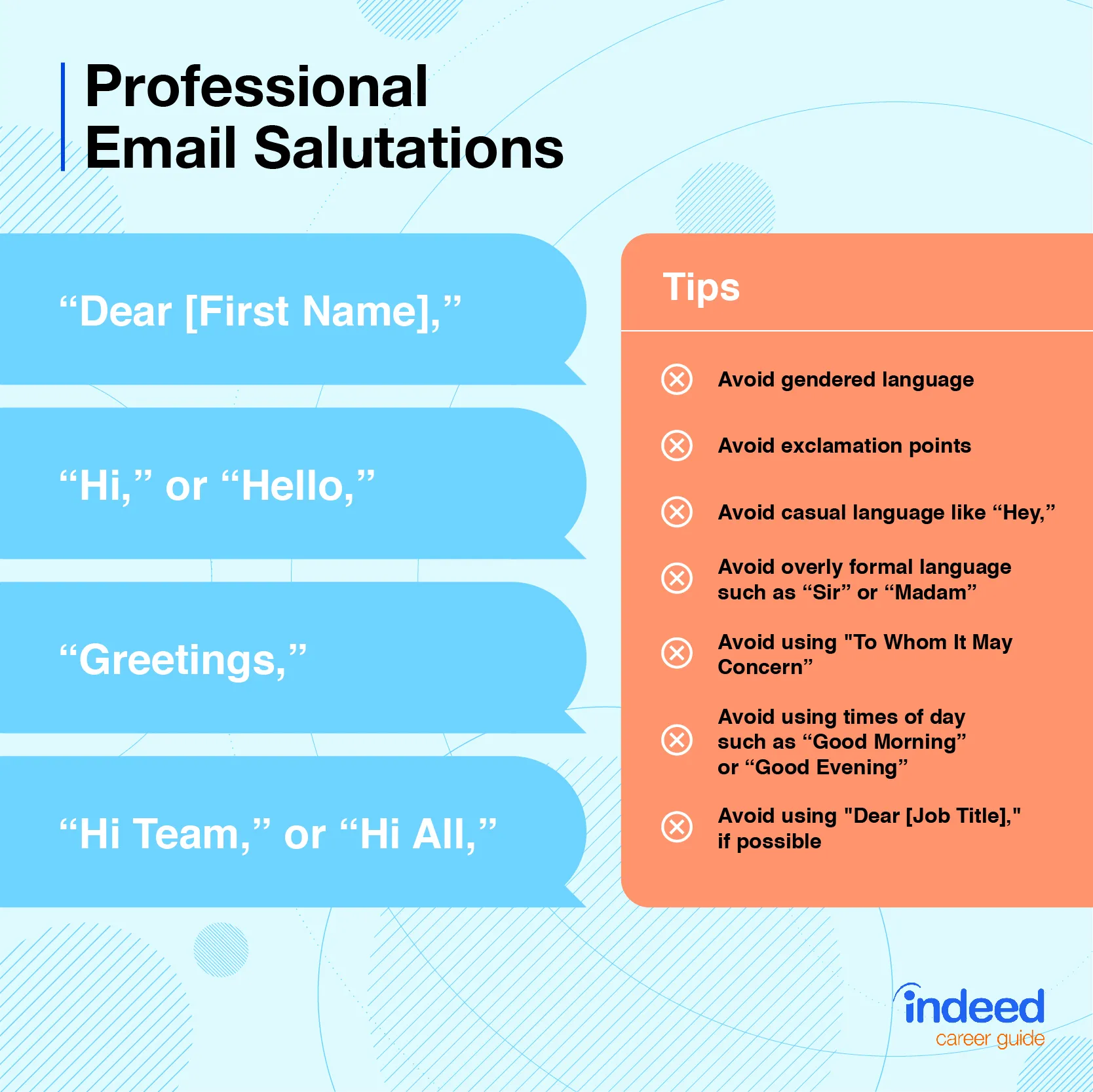
Every email is an opportunity to communicate clearly and effectively. Whether it's sharing a project update or connecting with a new contact, the way you begin matters. A strong start can grab attention, while a weak one might lead to a quick scroll past your message.
Understanding the purpose of your email and the relationship you have with the recipient can influence your greeting and opening lines significantly. It’s like setting the stage for a conversation that could define your professional interactions.
For example, a casual approach might work well with a teammate, whereas a more formal tone could be necessary for reaching out to a senior manager or client. Tailoring your opening can create a sense of connection right from the start.
One practical aspect to keep in mind is the importance of being concise yet warm. You want your reader to feel valued and engaged without overwhelming them from the outset. Remember, your goal is to foster a dialogue, not just send a message.
If you're worried about security and wish to protect sensitive information in your emails, check out how to send encrypted emails in Gmail for added privacy. It’s a straightforward way to ensure your communications remain secure while you focus on making those first words count.
Core Elements of Starting an Email
Beginning an email can set the tone for the entire conversation. Understanding its structure helps convey your message clearly and establishes a connection with the recipient. Here’s a breakdown of the vital components to consider when starting an email.
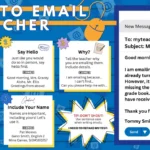
- Subject Line: This grabs attention and summarizes the email's purpose. Make it clear and concise to avoid confusion.
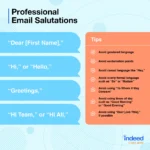
- Salutation: Address the recipient properly. Use their name, and if applicable, a formal title. For example, “Dear Dr. Smith” adds respect and professionalism.
- Opening Line: Initiate with a warm and relevant greeting. You might reference a previous conversation or express gratitude. This builds rapport.
- Purpose Statement: Clearly state why you are writing. This ensures the recipient understands the email's intent right away.
Let’s look at these components in detail:
| Component | Description |
|---|---|
| Subject Line | Summarizes the main point or action required. Keep it brief but informative (e.g., “Meeting Request: Project Update”). |
| Salutation | Sets the tone. Use first names for casual relationships and titles for formal ones. Ensure correct spelling of the recipient's name. |
| Opening Line | Establish a friendly tone. A simple “I hope this message finds you well” personalizes the email. Reference recent interactions when appropriate. |
| Purpose Statement | Directly explain the reason for reaching out. For instance, “I am writing to follow up on our last discussion regarding...” enhances clarity. |
Grasping these components not only improves communication but also fosters better relationships. Each part helps create a framework for what you want to convey.
For those concerned about privacy in their email communications, check out how to send encrypted emails in Gmail for enhanced privacy and security.
Starting Emails: Practical Applications and Insights
Using a Friendly Greeting
Starting an email with a friendly greeting such as "Hi [Name]," sets a warm tone and makes the recipient feel valued.
Why this matters: Establishing a personal connection encourages a positive response and fosters a collaborative atmosphere.
Including a Relevant Subject Line
Crafting a subject line that summarizes the email can engage the reader right from the outset, allowing them to understand the purpose without opening the email.
Why this matters: Capturing attention through a clear subject line enhances the likelihood of the email being opened and read promptly.
Referencing Previous Conversations
Beginning an email by mentioning an earlier discussion, like "Following up on our last meeting," demonstrates continuity and context.
Why this matters: Reminding recipients of past interactions strengthens relationships and shows that you value their time and input.
Expressing Appreciation
Starting with "Thank you for your prompt response" acknowledges effort and builds goodwill from the first line.
Why this matters: Showing gratitude encourages positive engagement and sets a collaborative tone for the email.
Stating Your Purpose Clearly
Beginning with a direct statement like "I'm writing to discuss our upcoming project" helps the recipient know the email's intent immediately.
Why this matters: Clarifying the purpose early streamlines communication, allowing the reader to prioritize and tailor their response.
Asking an Open-Ended Question
Opening an email with a thought-provoking question such as "What are your thoughts on the recent changes?" invites dialogue and engagement.
Why this matters: Encouraging recipients to share their opinions fosters collaboration and can lead to more meaningful exchanges.
Offering Assistance Upfront
Starting your email with "Let me know how I can help you today" opens the door for collaboration and support right away.
Why this matters: Demonstrating readiness to assist builds rapport and encourages openness in communication, enhancing the relationship.
Starting Your Email Conversations with Confidence
What are some appropriate greetings to use when starting an email?
Choosing the right greeting is crucial. For formal emails, "Dear [Name]" or "Hello [Name]" works well. In more casual settings, "Hi [Name]" or just "[Name]," can feel friendly yet professional.
How do I know if my email opening is too formal or too casual?
Gauge your relationship with the recipient and the context of your email. If you’re writing to a colleague you know well, a casual greeting is appropriate. Conversely, stick with formal openings for clients or senior executives.
Should I include a subject line before starting my email?
Absolutely. A clear subject line summarizes the email's purpose and helps the recipient prioritize their reading. It sets the tone before they even open your message.
How can I make my email opening more engaging?
Start with a brief personal touch or a relevant question related to the recipient’s interests or recent activities. This creates a connection and fosters a more personable conversation.
Starting an email doesn’t have to feel daunting; it’s all about finding a tone that suits both you and your reader. Whether you’re reaching out for business or catching up with a friend, a genuine and thoughtful opener sets the stage for effective communication. Remember, a friendly touch goes a long way in making your email resonate, so don’t hold back. Give it a shot today—your next email could be the conversation starter you've been waiting for!