So, you’ve seen "CC" pop up in emails and wondered what it really means. Whether you’re trying to communicate at work or just managing your inbox, understanding this simple abbreviation can make a big difference in how your messages get perceived and who’s involved in the conversation.

CC stands for "carbon copy," and it’s more than just a relic of the past. This feature allows you to include others in your emails without directly addressing them, which helps keep relevant parties in the loop. Knowing how and when to use CC can enhance your communication and build better relationships in both personal and professional settings.
Let’s unpack how you can make the most of it in your daily email interactions.
Understanding CC in Email Communication
In the realm of email communication, the abbreviation CC stands for Carbon Copy. This feature allows users to send copies of an email to multiple recipients simultaneously. Here’s a closer look at how it functions and when to use it.
Core Elements of CC
- Recipient Levels: CC recipients receive a copy of the email but are generally not the primary audience. They are included for transparency or informational purposes.
- Visibility: All recipients in the CC field can see each other's email addresses, ensuring transparency in communication.
- Reply Behavior: If a recipient replies to all, everyone in the CC list will receive that response, which can lead to more extensive discussions.
- Email Etiquette: It's essential to use CC thoughtfully. Overcrowding the CC field can lead to information overload for recipients.
Scenarios for Using CC
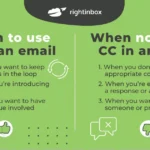
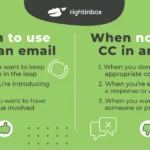
Consider a few situations where using CC is appropriate:
- When informing team members about a project update without needing direct involvement.
- Involving supervisors in email discussions, allowing them to stay informed.
- For communicating with external stakeholders while keeping internal teams in the loop.
CC vs. BCC
| Feature | CC | BCC |
|---|---|---|
| Visibility of Addresses | All recipients can see every CC'd address. | Addresses are hidden from each other. |
| Purpose | For transparency and awareness among recipients. | To maintain privacy among recipients. |
| Reply All Function | Replies include all CC'd recipients. | Replies do not include BCC'd recipients. |
Best Practices for Using CC
- Avoid Overuse: Limit the number of CC recipients to those who truly need to be informed.
- Clear Subject Lines: Use specific subject lines that reflect the email content to help recipients prioritize their reading.
- Regularly Review: Regularly assess the relevance of CC'd recipients to ensure efficient communication.
Understanding how to effectively utilize CC in emails can enhance clarity and efficiency in your communications. Use it judiciously to maintain effective dialogues without overwhelming recipients.
Understanding "CC" in Email Communication
Expanding Your Audience
Using "CC" allows senders to include additional recipients who need to be informed about a conversation without requiring a direct response from them.
Why this matters: Highlighting this feature ensures that everyone stays updated on important discussions, promoting transparency and inclusive communication.
Maintaining a Professional Record
Including individuals in the CC field creates a record of who received the information, which can be referenced later for accountability.
Why this matters: Stating the importance of documentation enhances the reliability of communications and fosters trust among stakeholders.
Separating Main Recipients from Observers
Utilizing CC helps distinguish between primary recipients who are expected to take action and those who are merely being kept in the loop.
Why this matters: Providing clarity in communication roles reduces confusion about responsibilities and follow-up actions.
Email Etiquette and Forwarding
CC allows recipients to understand who else is involved in the conversation, making it easier to reference previous emails when forwarding messages.
Why this matters: Asking recipients to be aware of others included aids in smoother, more informed correspondence.
Creating a Collaborative Atmosphere
Adding colleagues in CC fosters a sense of teamwork, as it invites multiple voices to contribute to discussions.
Why this matters: By keeping communication open among teams, collaboration becomes more fluid and innovative solutions can emerge.
Informing Stakeholders
CC is often used to keep stakeholders informed about developments without directly involving them in every email.
Why this matters: Emphasizing the role of stakeholder engagement maintains relationships and demonstrates commitment to transparency.
Review and Feedback Opportunities
When team members are CC'd on relevant emails, they can offer input or corrections that might enhance the overall message.
Why this matters: Highlighting collaboration in feedback processes ensures that all viewpoints are considered, enriching the final content.
Your Questions About CC in Email Answered
What does CC stand for in email communication?
CC stands for "carbon copy." It originated from the practice of using carbon paper to make duplicate copies of documents.
When should I use CC instead of BCC?
Use CC when you want to keep recipients in the loop and maintain transparency. Opt for BCC if privacy is important, as it hides email addresses from each recipient.
Are there any etiquette rules for using CC in emails?
Yes, consider the relevance of including someone in CC. Avoid cluttering inboxes by only adding people who truly need to be informed. Also, refrain from using CC for personal or sensitive information.
Can I CC multiple people without it becoming confusing?
Definitely, but clarity is crucial. Ensure that the email subject and body are clear about why each recipient is included. It's also helpful to list CC recipients if the group is large or diverse.
Understanding what "cc" means in email not only helps you keep your messages organized but also makes sure that everyone who needs to be in the loop is informed. It’s all about communication and clarity, almost like a digital nod to your peers. So, the next time you're firing off an email, think about who truly needs to be included in that "cc" line. It’s a simple way to foster better collaboration and keep everyone on the same page. Go ahead and put it into practice—you might just find it smoothens out your email exchanges a bit more.