Email communication is part of our daily lives, but have you ever paused to think about what "CC" really means? It’s not just another tech acronym; understanding CC can make or break your message's clarity and professionalism.
Using CC correctly helps ensure everyone stays in the loop without overwhelming inboxes. It’s a simple yet powerful tool for keeping conversations organized, whether you’re coordinating with colleagues or reaching out to clients.
If you’ve felt frustrated when recipients seem out of touch, knowing how to use CC can directly enhance your communication. By keeping pertinent parties informed, you foster collaboration and transparency, essential in any setting.
This isn’t just about what CC stands for; it’s about how it can streamline your interactions and prevent those awkward moments when someone asks, “Didn’t you get my email?” Dive deeper into the ins and outs of CC and elevate your email game. Check out our article on what CC stands for in email for better communication.
Understanding the CC Functionality in Email Communication
When using email, the CC field plays a unique role in how we manage and share information. It stands for "carbon copy," a term that dates back to the days of typewriters. Knowing how to use it can enhance communication efficiency and clarity.
Core Components of CC
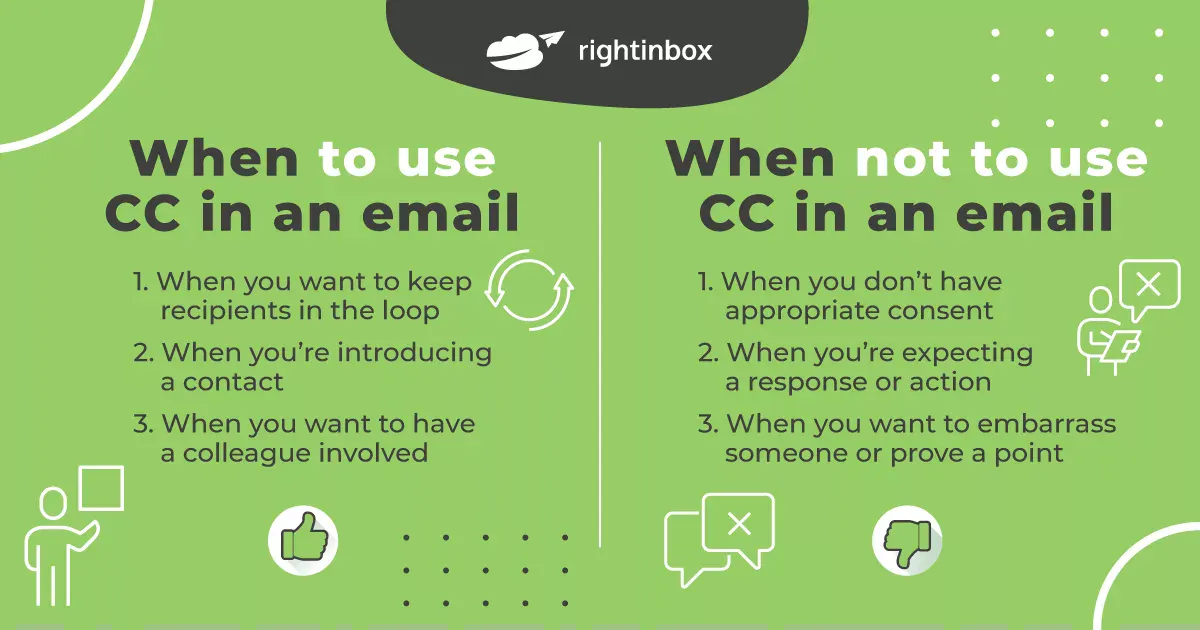
- Purpose: The CC field allows you to send a copy of an email to someone other than the primary recipient. This lets other individuals stay informed without being the main audience.
- Visibility: Everyone in the CC field can see who else received the email. It’s transparent and can help clarify who’s included in the discussion.
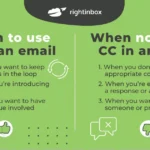
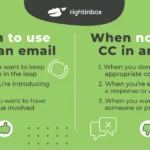
- Etiquette: Use CC when you want to keep someone in the loop, but they don't need to take any action. Avoid overusing CC to prevent clutter in inboxes.
Common Scenarios for Using CC
- Team Updates: Keeping team members informed about project progress.
- Stakeholder Communication: Including relevant stakeholders in conversations when necessary.
- Documentation: Providing a record of communication among multiple parties.
CC versus BCC
It's beneficial to differentiate between CC and BCC (blind carbon copy). Here’s a quick breakdown:
| Aspect | CC | BCC |
|---|---|---|
| Visibility of Recipients | All recipients can see who is CC'd. | Recipients cannot see who else is BCC'd. |
| Use Case | Informational, sharing with a group. | Confidential communication without informing others. |
In summary, using the CC function appropriately promotes open communication and ensures everyone stays on the same page without overwhelming inboxes. For a deeper exploration of the nuances of CC, you may find the article What Does CC Stand For In Email For Better Communication useful.
Real-World Applications of CC in Email Communication
Collaborating on Projects
Utilizing CC can help keep multiple stakeholders in the loop during ongoing projects. For instance, when sending an email about a project update, including team members and relevant departments via CC ensures everyone is informed and aligned.
Why this matters: Ensuring all parties are informed promotes collaboration and minimizes miscommunication, fostering a more cohesive team environment.
Scheduling Meetings
When organizing meetings, CCing participants ensures that everyone receives the same information and can contribute to scheduling decisions. This also provides context for why certain attendees are included.
Why this matters: Streamlining communication around logistics helps avoid scheduling conflicts, saving time and effort for all involved.
Document Sharing
In email correspondence involving important documents, using CC enables other relevant parties to access the same materials without needing separate emails. For example, CCing a legal department on contract discussions keeps them informed without burdening them with additional communication.
Why this matters: Providing access to relevant documents fosters transparency and encourages more informed decision-making within organizations.
Keeping Supervisors Updated
Professionals often CC their supervisors on important emails to keep them updated on significant communications or decisions. This practice can be seen in project deliverables or client interactions.
Why this matters: Keeping supervisors informed enhances accountability and provides them with necessary context to support their teams effectively.
Feedback Circulation
In processes where collective feedback is required, CCing all relevant parties encourages contributions from multiple perspectives. For instance, sending a draft report and CCing team members solicits constructive criticism.
Why this matters: Encouraging diverse viewpoints leads to comprehensive feedback, which can result in higher-quality outputs.
Networking Opportunities
CC can be a valuable tool for expanding professional networks. For example, when introducing two colleagues, CCing both in the email allows them to connect and discuss potential collaboration.
Why this matters: Facilitating introductions through email promotes relationship-building and can open the door to new opportunities for collaboration.
Following Up on Requests
When sending follow-up emails about pending requests, CCing others involved can accelerate responses. This approach is particularly effective in project management settings.
Why this matters: Encouraging prompt responses through visibility can help keep projects on track, leading to timely completion and increased productivity.
Understanding CC in Email Communication
What does "CC" stand for in email?
"CC" stands for "Carbon Copy." This term originates from the early days of written communication when a sheet of carbon paper was used to make copies of documents. In email, it allows you to send a copy of your message to additional recipients beyond the main recipient.
How should I use CC in an email?
Use CC when you want others to be aware of the conversation but not necessarily engage in it. It helps keep everyone in the loop without requiring them to respond. It's best employed when transparency is needed among a group.
Are there any etiquette rules for using CC?
Yes, it's advisable to avoid overusing CC to prevent cluttering inboxes. Ensure that all CC'd recipients are relevant to the conversation. Also, always consider the privacy of those included; think twice about CC'ing from sensitive discussions.
What’s the difference between CC and BCC?
CC includes recipients openly, allowing everyone to see who is on the email list, while BCC, or "Blind Carbon Copy," keeps recipients’ addresses hidden. Use BCC for privacy when emailing a large group, especially if the recipients do not know each other.
Understanding what "CC" means in an email is more than just knowing it's short for "carbon copy"; it’s about using it thoughtfully to foster better communication. By including the right people in the conversation, you build transparency and inclusivity, which makes everyone feel more connected. So the next time you hit 'send,' think about who should really be part of the loop. It’s a small detail that can make a big difference! Happy emailing, and if you want to explore further, check out what this can mean for enhancing your overall communication skills.