Feeling overwhelmed by a cluttered inbox? Archiving emails in Outlook can help you regain control and ensure you don’t miss the important stuff. Whether you’re managing projects, juggling client communications, or just trying to keep your personal life organized, knowing how to archive effectively can free up space and make your email experience much smoother. 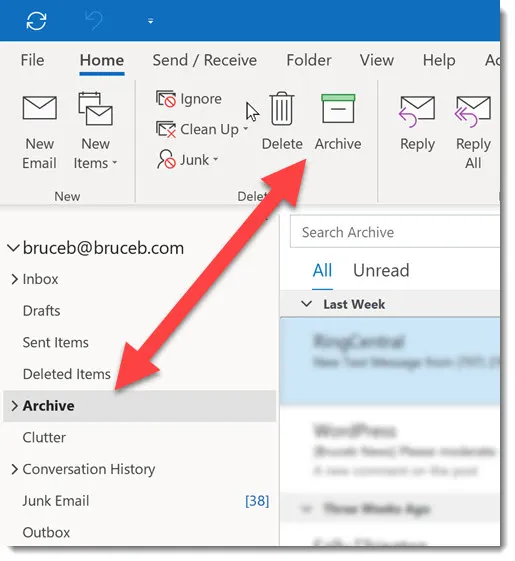
Imagine opening your email and being greeted by a clear view of only what matters right now. That’s the real value of archiving. It helps you focus on current tasks while safely storing away older messages for future reference. No more scrolling through endless threads—just a quick and efficient way to keep everything at your fingertips.
In this conversation, we’ll step through the ins and outs of archiving in Outlook, turning a potentially tedious task into a breeze. By the end, you’ll wonder how you ever managed without it.
Core Elements of Email Archiving in Outlook
Understanding how to archive emails in Outlook can significantly improve your email management. Archiving helps free up space in your inbox while preserving important communications. Here’s a breakdown of the essential components involved in the archiving process.
What is Email Archiving?
Email archiving involves moving emails out of your primary inbox to a separate location, often to reduce clutter and organize important messages. This enables users to keep their main inbox tidy while retaining access to older communications when needed.
Benefits of Archiving Emails
- Enhanced Organization: Keeping your inbox manageable makes it easier to find recent messages.
- Storage Management: Archiving reduces the size of your mailbox, which can help prevent performance issues.
- Retention Compliance: Maintains a record of communications for legal, regulatory, or personal needs.
How to Archive Emails in Outlook
Here’s how to effectively archive emails within Outlook:
- Open Outlook: Launch the application on your device.
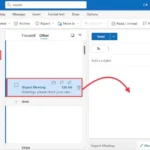
- Select Emails: Click on the messages you want to archive. You can select multiple emails by holding down the Ctrl key while clicking.
- Navigate to Archive: Right-click on your selected emails. In the context menu, click on Move and then choose Archive.
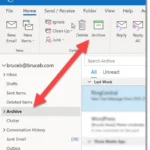
- Using the Archive Button: You can also click the Archive button usually found in the ribbon menu at the top of the screen.
Where to Find Archived Emails
After archiving, your emails won’t disappear. They will move to an Archive folder located in the left-hand panel under your folder list. If you don’t see the Archive folder, you may need to expand your folder view.
Managing Archived Emails
Archiving is not just about moving emails. You may want to manage your archived emails properly:
- Regularly review your Archive folder to assess which emails are still necessary.
- Utilize search features in Outlook to locate specific archived emails quickly.
- Consider setting auto-archiving options to organize your emails automatically based on age or other criteria.
Things to Remember
- Access: Archived emails are accessible at any time but can take a few moments to load.
- Performance: If you regularly archive emails, it can lead to improved performance of the Outlook application.
- Storage Limits: Keep in mind any storage limitations set by your email provider.
Comparison of Archiving vs. Deleting
| Aspect | Archiving | Deleting |
|---|---|---|
| Retention | Kept for future access | Permanently removed |
| Space Management | Reduces clutter | Free up space |
| Usage | Easy retrieval | Cannot retrieve once deleted |
For users also utilizing other email platforms, such as Gmail, understanding how to access archived emails across different systems can enhance your overall email management experience. Refer to this article on Gmail for a broader perspective.
Practical Use Cases for Archiving Emails in Outlook
Streamlining Your Inbox
Using the archive function helps declutter your inbox, moving less important emails into the Archive folder while keeping crucial communications front and center.
Why this matters: Highlighting the importance of a streamlined inbox can facilitate quicker email access and improved responsiveness in everyday tasks.
Improving Email Search Efficiency
Archived emails can be searched separately from the main inbox, allowing users to locate old emails quickly without sifting through current messages.
Why this matters: Providing faster access to historical communications can enhance workflow and reduce frustration during searches for past information.
Compliance with Company Policies
Many organizations require the archiving of emails for compliance reasons, ensuring that important communications are retained for a specified period.
Why this matters: Stating the necessity of email retention supports compliance efforts, minimizing legal risks and maintaining corporate governance standards.
Facilitating Data Backup
Archiving emails helps create a backup of essential communications, which can be beneficial for restoring information if needed in the future.
Why this matters: Asking organizations to consider data preservation can safeguard against unforeseen data loss, making retrieval straightforward when needed.
Enhancing Email Performance
Keeping a large number of emails in your inbox can slow down Outlook’s performance; archiving helps maintain optimal program speed.
Why this matters: By keeping the program running smoothly, users experience less lag and more efficient email handling, improving overall productivity.
Organizing Projects and Tasks
Archiving emails related to completed projects can help organize ongoing tasks, separating essential updates from past information.
Why this matters: Providing organization to project-related emails enables easier tracking of active workflows and enhances collaboration among team members.
Maintaining Email Privacy
Archiving sensitive emails can help ensure they are kept secure and separate from everyday communications, reducing the risk of accidental exposure.
Why this matters: Highlighting the importance of privacy can help maintain confidentiality in communications, building trust among stakeholders and clients.
Understanding Email Archiving in Outlook
Why should I archive emails in Outlook?
Archiving emails helps keep your inbox organized by moving older messages into a separate folder. This can improve Outlook's performance and allow you to focus on current communications without searching through clutter. It also makes it easier to retrieve older emails when needed.
What is the process to archive emails in Outlook?
To archive emails, open Outlook and go to the File menu. Select Tools and then Clean Up Old Items. Choose the folder you want to archive, specify the date, and determine where you want the archived file to be saved. Click OK, and Outlook will create an archive file with your selected emails.
Is there an automatic archiving feature in Outlook?
Yes, Outlook offers an AutoArchive feature that automatically moves older items to an archive file at specified intervals. You can configure this feature by going to File, Options, Advanced, and then clicking on AutoArchive Settings, where you can set your archiving preferences.
Can I access archived emails easily in Outlook?
Absolutely! Archived emails are stored in a separate .pst file. To access them, go to the File menu, choose Open & Export, then Open Outlook Data File. Locate your archive file, and it will appear in your folder list, allowing you to browse through the archived items with ease.
Archiving emails in Outlook not only helps keep your inbox organized but also ensures that important conversations are easily retrievable when you need them. With just a few clicks, you can create a clutter-free workspace that brings a sense of calm to your busy digital life. So why not give it a try? Start archiving those emails today and enjoy a more manageable inbox that allows you to focus on what truly matters. Happy emailing!