Attaching a document to an email might seem trivial, but it’s a crucial skill in today’s fast-paced communication world. Whether you’re sending a resume, submitting a project, or sharing vital information with a colleague, knowing how to do it right can make all the difference in how your message is received.
Imagine the frustration of missing attachments or confusing formats. That’s why understanding the nuances of attaching files can save you from embarrassing follow-ups and miscommunications. Let’s break it down in a way that makes the whole process straightforward and hassle-free.
From selecting the right file type to ensuring that everything looks professional, this is about more than just hitting "send." It’s about making sure your message stands out and gets the attention it deserves.
If you use Outlook, check out how easily you can attach emails with this resource: How To Attach A Email In Outlook With Professionalism - Aceentertainment. Having the know-how to attach documents can boost your communication game immensely.
Core Elements of Attaching a Document to an Email
Attaching a document to an email is straightforward but crucial in ensuring your message is conveyed clearly. Here’s how to navigate this process seamlessly.
Understanding Email Services
Email platforms like Gmail, Outlook, and Apple Mail follow similar principles but may have slight variations. Familiarity with your specific service enables more fluid attachments.
File Selection
Decide on the document you wish to attach. Common formats include:
- PDF: Ideal for preserving formatting.
- Word Documents: Useful for editable content and collaboration.
- Spreadsheets: Great for numerical data and analysis.
Attachment Process
Here’s a simplified process, applicable across most platforms:
- Open Your Email Client: Launch the application or service you use.
- Create a New Email: Click on the “Compose” or “New Email” button.
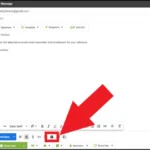
- Locate the Attachment Icon: This often resembles a paperclip.
- Select Your Document: Navigate to the location of your file and select it.
- Attach the Document: Confirm your selection to upload the file.
File Size Considerations
Most email services impose size limits on attachments, typically ranging from 10 to 25 MB. If your document exceeds this size, consider compressing it or using cloud services for sharing links.
Security Practices
Always be cautious with files that might contain sensitive information. Use password protection if necessary, and ensure you trust the recipient's email address. Avoid opening unknown attachments to protect against malware.
Email Etiquette
When sending an attachment, include a brief message explaining the document’s content. This adds context and encourages prompt reading.
Compatibility Issues
Ensure recipients can open your document by choosing widely accepted file formats. For specialized files, inform them in advance about the software needed to access the document.
| File Type | Best Use | Compatibility |
|---|---|---|
| Read-only documents | Universal, easily opened in browsers | |
| DOCX | Editable text documents | Widely supported on word processors |
| XLSX | Data and calculations | Common among spreadsheet software |
For more on email functionalities, including how to attach an email in Outlook, check out this resource.
7 Practical Examples of Attaching a Document to an Email
Attaching Documents in Gmail
Utilizing the paperclip icon within the Gmail interface allows users to attach files directly from their computer or Google Drive, making document sharing seamless.
Why this matters: Facilitating easier communication helps maintain productivity, ensuring that recipients receive the required documents promptly.
Using Drag and Drop Features
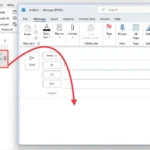
Dragging a file directly into the email composition window in platforms like Outlook provides a quick method to attach documents without navigating through menus.
Why this matters: Improving efficiency reduces time spent on administrative tasks, allowing for a sharper focus on core responsibilities.
Attaching Large Files with Cloud Services
Linking files stored in cloud services like Dropbox or Google Drive involves inserting shared links within the email, thus bypassing attachment size limits.
Why this matters: Expanding file-sharing capabilities ensures that team members can access essential resources without being hindered by limitations.
Utilizing Email Clients' File Size Notifications
Many email clients provide notifications when files exceed size limits, offering alternative attachment methods like cloud linking automatically.
Why this matters: Preventing failed delivery attempts helps maintain organization, ensuring important documents reach their intended audience.
Previewing Attachments Before Sending
Most email platforms allow users to preview attached documents before finalizing a message, ensuring the correct file is included.
Why this matters: Confirming the contents of an email increases accuracy, reducing the likelihood of misunderstandings and miscommunication.
Attaching Emails for Context
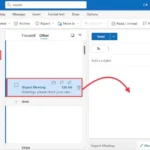
In Outlook, selecting an email to forward and attaching it can provide necessary context for the recipient, clarifying ongoing conversations.
Why this matters: Enhancing understanding during email exchanges fosters collaboration, ultimately improving teamwork and project outcomes.
Including Document Descriptions
Adding a brief description of attached documents within the body of the email informs recipients about what to expect and its relevance.
Why this matters: Clarifying the purpose of attachments ensures that email communication remains purposeful and enhances the recipient's ability to act on the information provided.
Common Questions About Attaching Documents to Emails
How do I attach a document to an email on different platforms?
Attaching a document varies slightly across platforms. In webmail services like Gmail, you’ll click on the paperclip icon, select your document, and hit "Open." For Outlook, locate the "Attach" button in the toolbar. Desktop applications generally follow similar processes but can have different icons or menus.
What file types can I attach to an email?
Most email services accept common file types such as PDFs, Word documents, and images (JPEG, PNG). However, there are restrictions on larger files or less common formats, so it’s best to check with your specific email provider for compatibility.
What should I do if my document won’t attach?
If a document won’t attach, consider checking its file size; many providers have limits. Also, ensure your internet connection is stable. Sometimes, clearing your browser's cache or trying a different web browser can resolve attachment issues.
How can I ensure my attachment is secure when sending sensitive information?
For sensitive documents, consider encrypting the file before attaching it. Another option is to use email services that offer built-in encryption. Always confirm the recipient’s email address to avoid sending confidential information to the wrong person.
Check out the article on [how to attach an email in Outlook](https://www.aceentertainment.io/how-to-attach-a-email-in-outlook-with-professionalism/) for additional related information!Now that you’re equipped with the know-how to attach documents to your emails, remember that it’s all about making communication smoother and more efficient. Double-check file sizes and formats to ensure everything goes through without a hitch, and don’t forget to add a friendly note for the recipient. Giving this extra touch can make all the difference. Now go ahead and send that email with confidence—you're ready to connect and share without any hiccups!