Emailing a PDF might seem straightforward, but getting it right can save you from a lot of headaches. Whether you're sending a resume, a report, or a presentation, knowing how to attach a PDF properly can make a significant difference in how your message is received.
Have you ever sent an important document and wondered if it actually reached the right hands? Or maybe your attachment didn't open as expected, leaving you embarrassed? These are common frustrations, but with a few straightforward steps, you can avoid them altogether.
In this space, we'll explore various aspects of emailing PDFs, from different email platforms to practical considerations. Having clarity on this topic not only helps you communicate effectively but also boosts your professionalism.
Core Elements of Emailing a PDF File
Emailing a PDF file is straightforward, but understanding the necessary components ensures that the recipient receives the document without any issues. Here’s a breakdown of the essential steps to follow when sending a PDF.
- Choose Your Email Client: Select an email service like Gmail, Outlook, or another provider. Each platform has a slightly different interface but follows a similar procedure for attachments.
- Locate the PDF: Ensure that the PDF file you wish to send is saved on your device. Check the file size; many email services have size restrictions, typically around 25 MB.
- Compose a New Email: Click on “Compose” or “New Email” and enter the recipient's email address, a clear subject line, and your message. The subject line should be descriptive enough for recipients to understand the email's purpose at a glance.
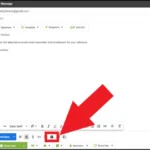
- Attach the PDF: Look for a paperclip icon or an option labeled “Attach” or “Insert.” Click on it, then navigate to the location where your PDF file is stored. Select the file for uploading. Make sure it displays as attached before sending.
- Check the Content: Review the email body and the attached document. Ensure that everything is accurate and that any instructions included in your message are clear.
- Send: Once satisfied, click “Send.” Wait for a confirmation; many email clients will provide a notification that the message has been sent.
Potential Considerations
When sending PDF files, certain aspects might affect delivery and readability:
| Consideration | Description |
|---|---|
| File Size Limits | Be aware of the size limitations imposed by your email service. If the PDF is too large, consider compressing it or using a file-sharing service. |
| Compatibility | Ensure that the recipient has access to a PDF viewer. Most devices inherently support PDF formats, but it’s good to confirm. |
| Security Features | If the PDF contains sensitive information, consider password protection or encryption to enhance security. |
| Follow-Up | Sometimes emails get lost. A brief follow-up can ensure the recipient received the document, particularly if it’s time-sensitive. |
Common Mistakes to Avoid
Here are some pitfalls to steer clear of when sending PDFs:
- Neglecting the Subject Line: A vague or missing subject line can cause your email to be overlooked.
- Forgetting Attachments: Double-check that the PDF is attached before hitting send.
- Using Unclear Language: Provide enough context in your email body for the recipient to understand the purpose of the attachment immediately.
By paying attention to these elements, the process of emailing PDF files can be done smoothly and efficiently. For insights on related topics, explore our article on attaching emails in Gmail.
Practical Uses for Emailing PDF Files
Sending Official Documents
Emailing PDFs is a common practice for sending official documents, like contracts or resumes, directly to clients or employers.
Why this matters: Stating that using PDF formats ensures the document maintains its formatting, avoiding issues when recipients open it on different devices.
Sharing Reports with Team Members
Professionals often email PDF reports to team members to maintain a uniform format that can be reviewed and referenced easily.
Why this matters: Highlighting that PDFs provide a secure way to ensure the integrity of the content during sharing, which is crucial for collaboration.
Providing Receipts for Transactions
Businesses routinely email PDF receipts after a purchase, providing customers with a record of their transactions.
Why this matters: Asking for a PDF format helps ensure that customers have a readily accessible and searchable document for their records.
Distributing Manuals and Guides
Companies send user manuals in PDF format via email to provide clear and accessible instructions for their products.
Why this matters: By keeping the manual in PDF form, it allows users to easily view or print the document while maintaining clarity and structure.
Sending Invoices to Clients
Professionals send PDF invoices to clients to ensure that they receive a professional-looking document that is easy to read.
Why this matters: Providing a PDF invoice enhances trustworthiness, as clients often prefer officially formatted documents for their financial records.
Emailing Educational Materials
Teachers and educators commonly email PDF lesson plans or worksheets to students for easy access and offline use.
Why this matters: Highlighting that PDFs facilitate easy distribution of educational content that students can download and keep for future reference.
Submitting Applications and Forms
Individuals frequently email PDF applications or forms to government agencies or organizations to comply with submission guidelines.
Why this matters: Stating that PDFs ensure the application is submitted in a standardized format, reducing the likelihood of errors during processing.
Emailing a PDF File: Your Questions Answered
What’s the best way to attach a PDF in an email?
To attach a PDF in an email, start by composing a new message. Look for the paperclip icon or "Attach" option in your email client, then select the PDF from your computer. Ensure the file is attached before hitting send.
How do I make sure my PDF attachment is accessible to the recipient?
Confirm that your PDF is not password-protected if you're sending it to someone who needs to access it without any barriers. It’s also a good idea to mention the attached file in the email body so they can find it easily.
What if the PDF file is too large to send?
If the PDF file exceeds the size limit, consider using a file-sharing service like Google Drive or Dropbox. Simply upload the file to the service and share the link in your email instead of the file itself.
Can I email multiple PDF files at once?
Absolutely, you can attach multiple PDF files in one email. Just repeat the attachment process for each file. Some email clients might limit the total size, so keep that in mind.
Emailing a PDF is straightforward once you get the hang of it. Just remember to ensure your file isn't too large, give it a clear name, and check the recipient's email preferences before hitting send. It’s all about making sure your document gets to its destination smoothly and is easy to access. Now that you know the basics, don’t hesitate to share that PDF with confidence! Want to enhance your emailing game even more? Check out how to attach Gmail email for professional communication—it might just make your life a bit simpler.