Finding the right words to email a teacher can feel overwhelming, especially when you want to convey respect and clarity. Maybe you have a question about a recent assignment or need to discuss your child’s progress; either way, getting it right matters. A well-written email can set the tone for a productive relationship, easing any potential misunderstandings and making your communication impactful.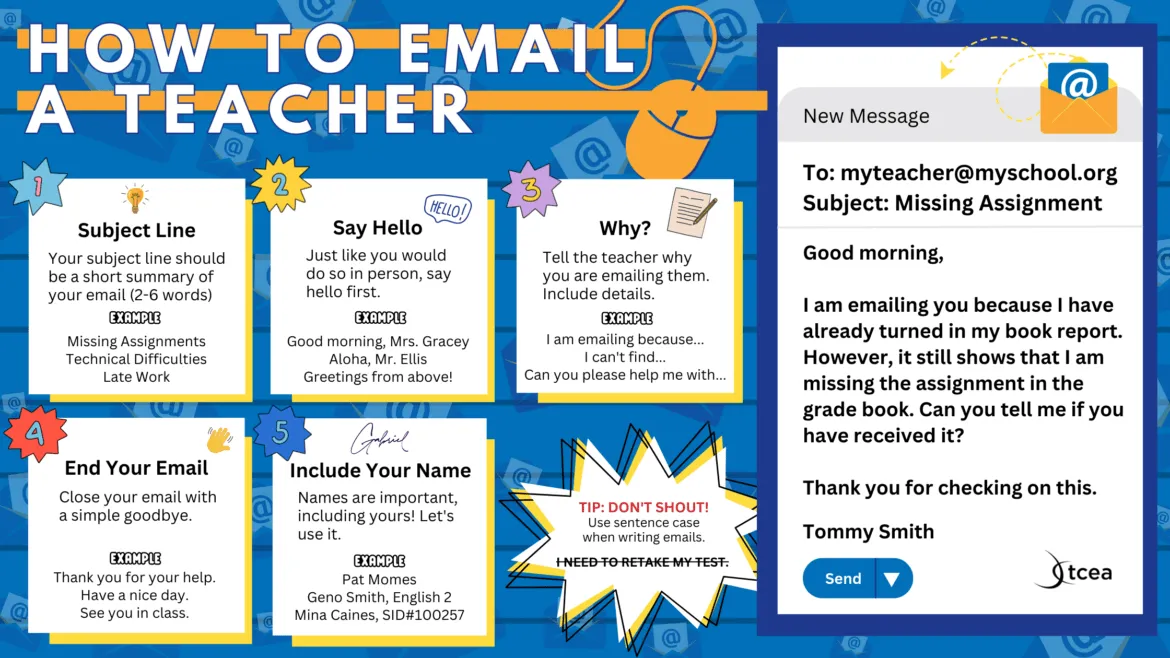
Imagine sending a message that gets straight to the point while still being personable. Teachers appreciate clear communication just as much as you do. The aim here is to build a connection, fostering an environment where questions and concerns are welcomed, not brushed aside.
Let’s face it; no one wants to feel ignored or misunderstood. By learning how to express your thoughts succinctly, you ensure that your voice is heard loud and clear. Respectful communication goes a long way, and knowing how to approach this can make a significant difference in your interactions with educators.
Core Components of an Email to a Teacher
Writing an email to a teacher involves understanding the essentials to create a clear and respectful message. Here's how to ensure your email is appropriate, effective, and likely to get a response.
- Subject Line: Keep it clear and concise. Mention the class, assignment, or topic, like "Question Regarding Math Homework" or "Request for Meeting on Project".
- Salutation: Start with a respectful greeting. Use "Dear [Teacher's Name]" or "Hello [Teacher's Name]" to maintain formality.
- Introduction: Introduce yourself briefly, especially if it’s your first email. Include your full name and the class you’re in, e.g., "My name is [Your Name], and I'm in your [Class Name] course."
- Body: Get straight to your point. State the reason for your email clearly. Avoid long-winded explanations; keep it focused on the main issue. Use paragraphs to separate different ideas, if needed.
- Request for Action: If you need something specific (like help or a meeting), mention it clearly. For example, "Could we schedule a time to discuss my progress?"
- Closing: Use a polite closing statement. Something like "Thank you for your time" or "I appreciate your help" works well. Follow this with “Sincerely” or “Best,” and then your name.
- Proofreading: Before hitting send, check your email for spelling and grammar mistakes. Ensuring clarity and professionalism shows respect and helps your message come across as intended.
Sample Email Structure
| Component | Example |
|---|---|
| Subject Line | Question About Upcoming Test |
| Salutation | Dear Ms. Smith, |
| Introduction | My name is John Doe, and I am in your 10th-grade English class. |
| Body | I have a question regarding the assignment due next week. Could you clarify the requirements for the essay? |
| Request for Action | Would you mind explaining this to me? |
| Closing | Thank you for your help. Best, John Doe |
Following this structure can create a respectful and well-received email to your teacher. If you want to protect the privacy of your communication, check out How To Send Encrypted Email Gmail For Enhanced Privacy And Security.
Practical Examples for Writing an Email to a Teacher
Requesting Additional Help on Assignments
When a student struggles with a particular assignment, they can email their teacher to ask for clarification or additional assistance. This email should express the specific areas of confusion and suggest times for follow-up conversations.
Why this matters: By highlighting personal challenges, students foster open lines of communication, encouraging teachers to provide tailored support and feedback.
Inquiring About Class Resources
Students often need to know about additional resources, such as books or study materials. A well-structured email should mention the specific course and succinctly ask for recommendations on supplementary reading or online resources.
Why this matters: Asking about resources demonstrates initiative, showing teachers that students are proactive in their learning and eager to excel.
Setting Up a Meeting
To discuss grades or academic concerns, students can email their teachers to set up a meeting. This email can suggest possible times and express the topics they'd like to cover during the meeting.
Why this matters: Proposing a meeting time allows for organized communication, signaling to the teacher that the student values their time and insights.
Following Up After Class
After a class discussion, a student might have lingering questions. Sending a follow-up email with these questions shows engagement and willingness to dive deeper into the subject matter.
Why this matters: Following up reinforces understanding, as well as highlights the student's commitment to their education and respect for the teacher's expertise.
Expressing Gratitude
Sending a thank-you email after receiving help or feedback can make a positive impact. A brief message expressing appreciation for the teacher's guidance encourages a supportive learning environment.
Why this matters: Expressing gratitude fosters good relationships, demonstrating that students value their teachers, which can lead to more enriching educational experiences.
Informing About Absences
When a student knows they will miss a class, emailing the teacher in advance is considerate. This email should mention the reason for the absence and request information about missed assignments or class notes.
Why this matters: Notifying teachers about absences shows responsibility, leading to better teacher-student relationships and smoother reintegration into the class.
Requesting Letters of Recommendation
Students may need letters of recommendation for college applications or scholarships. An email should detail the reasons for the request, highlight relevant experiences, and provide a due date.
Why this matters: By providing context and timelines, students enable teachers to craft more personalized and impactful letters that reflect their strengths and aspirations.
Getting It Right When Communicating with Teachers
What should I include in the subject line of my email to a teacher?
Include the topic or purpose of your email in the subject line. This helps the teacher quickly grasp the context. For example, "Question about Homework Assignment" gives clarity right away.
How formal should I be when writing to my teacher?
Using a formal tone is generally advisable, especially if it's your first communication. Address the teacher as "Mr./Mrs./Ms. [Last Name]" to start, and maintain a respectful language throughout.
What if I need to request an appointment or meeting?
Clearly state your desire for a meeting in the body of the email. Specify your availability and briefly outline the topics you'd like to discuss. This makes it easier for the teacher to accommodate your request.
Is it okay to use a casual tone if I know my teacher well?
While familiarity can allow for a more relaxed tone, it's still important to maintain professionalism. Adjusting your language based on past interactions is fine, but ensure it remains respectful and appropriate.
In a world where communication can sometimes feel overwhelming, remember that clarity and respect go a long way when reaching out to your teacher. Approach the email with a friendly tone, clearly state your purpose, and include any necessary details to make it easy for them to respond. By keeping it thoughtful and straightforward, you’ll foster a positive connection. So, the next time you need to shoot off an email, just take a deep breath, write from the heart, and watch how it opens up productive conversations. You’ve got this!