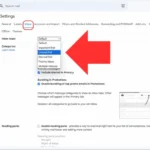
Ever find yourself drafting an email late at night, only to wish you could send it at a more appropriate hour? Scheduling emails in Outlook could be just what you need. It’s a powerful way to manage your communication, allowing you to hit ‘send’ at the perfect moment without being tied to your inbox.

Imagine the convenience of planning your emails ahead of time, whether it’s for a project due next week or a gentle reminder for a colleague. This little feature not only helps you stay organized but also gives you a chance to curate your message without the pressure of immediate gratification.
In a world where timing matters, scheduling your emails can elevate your professionalism and boost productivity. Let’s take a look at how to do this effortlessly in Outlook, so you can spend less time worrying about when to send and more time focusing on your work.
Essential Components of Scheduling Emails in Outlook
Scheduling emails in Outlook allows you to send messages at a preferred time, enhancing communication efficiency. Here’s how to approach this function without complexities.
Steps to Schedule Emails
To schedule an email, follow these straightforward steps:
- Open Outlook: Launch your Outlook application or web version.
- Create a New Email: Click on “New Email” to open a blank message window.
- Compose Your Message: Fill in the recipient, subject, and body of your email.
- Access Delay Delivery Settings:
- In the message window, click on the “Options” tab.
- Locate and click “Delay Delivery.”
- Set Delivery Date and Time: In the properties box, find the “Do not deliver before” section. Here, select your desired date and time for sending.
- Close Properties: Click "Close" to save your settings.
- Send Email: Finally, click “Send.” The email will remain in your Outbox until the scheduled time.
Considerations When Scheduling Emails
Be mindful of the following aspects:
- Time Zone Awareness: Ensure that your chosen time aligns with the recipient’s time zone.
- Email Status: If Outlook is closed at the scheduled time, the email won’t send until it's reopened.
- Follow-ups: Consider reminding yourself to follow up on scheduled emails if they are time-sensitive.
Advantages of Scheduling Emails
| Pros | Cons |
|---|---|
| Improved Timing - Send messages at optimal times for recipients. | Misalignment Risks - Potential confusion if not considering time zones. |
| Planning Ahead - Helps manage tasks by spacing out communications. | Dependence on Outlook - Must keep Outlook open for sending on schedule. |
| Professionalism - Demonstrates thoughtful communication practices. | Technical Glitches - Rare issues may prevent scheduled emails from being sent. |
For more on effective communication practices within Outlook, check out how to print an email for professional presentation.
Practical Examples of Scheduling Emails in Outlook
Automating Follow-up Messages
Scheduling follow-up emails after meetings helps maintain communication momentum without requiring instant attention. By setting these emails to send a few days after a meeting, you ensure your points remain fresh in the recipient's mind.
Why this matters: Highlighting the importance of timely follow-ups, this feature helps reinforce commitments and tasks discussed during meetings.
Optimizing Time Zones for Global Teams
When working with international teams, scheduling emails at appropriate local times can prevent messages from getting buried. By setting emails to send during working hours of the recipient, clarity is maintained and responses are accelerated.
Why this matters: Providing global team members the chance to engage promptly ensures smoother collaboration regardless of time zone differences.
Customized Birthday Wishes for Clients
By scheduling personalized birthday emails in advance, businesses can strengthen customer relationships. These messages can include promotions or simply well wishes to show appreciation.
Why this matters: Stating the value of maintaining personal connections, these scheduled emails can foster loyalty and enhance customer satisfaction.
Strategically Timing Newsletters
Companies can schedule newsletters for delivery when analytics show the highest open rates, which typically might be Thursday mornings. This strategic timing can increase engagement and conversion rates.
Why this matters: Asking recipients to engage with content at optimal times maximizes outreach and boosts click-through rates significantly.
Preparing for Upcoming Events
Organizations can schedule reminders for upcoming events or deadlines to ensure attendees are informed well in advance. This method prevents last-minute rushes and promotes attendance.
Why this matters: By keeping communications proactive, this practice enhances planning and assures full participation from the intended audience.
Batch Processing Responses to Inquiries
When receiving multiple inquiries, users can draft and schedule responses in batches during quieter periods. This reduces the cognitive load and provides consistent, timely replies to clients or colleagues.
Why this matters: Highlighting the reduction in stress and increased efficiency, this approach allows users to maintain responsiveness without sacrificing productivity.
Creating Automatic Out-of-Office Replies
By scheduling automated replies during vacation or business trips, users can ensure senders are informed about their absence and when they can expect a response. This is particularly important for managing expectations.
Why this matters: Stating the significance of clear communication, this practice prevents confusion and builds trust with contacts.
Insights on Scheduling Emails in Outlook
Can I schedule recurring emails in Outlook?
Outlook does not support scheduling recurring emails directly through its built-in options. You can set up individual delayed sends, but for recurring messages, a workaround using Outlook macros or third-party tools may be necessary.
What happens if I schedule an email to send but then go offline?
If you schedule an email and go offline, it will remain in your Outbox until you reconnect to the internet. Once you’re online again, Outlook will automatically send the email at the scheduled time.
How can I edit a scheduled email in Outlook?
To edit a scheduled email, navigate to your Outbox folder, double-click the email, make your changes, and then save it. The email will retain its scheduled send time unless you update it.
Is it possible to cancel a scheduled email in Outlook?
You can cancel a scheduled email by going to the Outbox, finding the email you want to cancel, right-clicking it, and selecting "Delete." This action will prevent it from being sent.
Scheduling emails in Outlook allows you to take control of your communication and present your ideas at just the right moment. With just a few clicks, you can enhance your professionalism and ensure that your messages land in your recipient's inbox when they’re most likely to be engaged. So, whether it’s sending a friendly reminder or a crucial business proposal, don’t hesitate to put this feature to use. Your future self will thank you for keeping your inbox organized and your messages timely!