Feeling buried under a mountain of unread emails? You’re not alone. Many people struggle to keep their inboxes organized, and it can feel overwhelming when important messages get lost in the clutter.

Knowing how to filter out unread emails in Gmail can empower you to reclaim your time and focus on what truly matters. Whether it's for work or personal communication, an organized inbox leads to a more productive day and less stress.
Instead of manually sifting through hundreds of emails, a few clicks can help you zero in on what’s urgent or important. Let’s break down how you can clean up your inbox and get back to what you need to prioritize.
Core Concepts for Filtering Unread Emails in Gmail
Clearing your inbox and focusing on unread emails can greatly enhance your productivity. Gmail offers a straightforward way to filter these emails, allowing you to prioritize your workflow. Here’s how to effectively set up that filter using simple steps.
Understanding Gmail’s Interface
Before filtering unread emails, familiarize yourself with Gmail’s layout. The primary components include:
- Inbox: Where all incoming emails are displayed.
- Search Bar: Located at the top, used for filtering and searching emails.
- Labels: Help in organizing emails into categories.
Steps to Filter Unread Emails
Follow these instructions to filter your unread emails:
- Open Gmail: Log into your Gmail account.
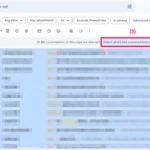
- Use the Search Bar: Type is:unread in the search bar. This command displays all unread emails in your inbox.
- Refine Your Search: If needed, add more criteria. For instance, is:unread from:[email protected] shows unread emails from a specific sender.
- Create a Custom Filter:
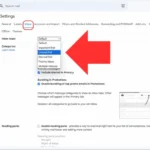
- Click the gear icon in the top right corner to access settings.
- Select See all settings.
- Navigate to the Filters and Blocked Addresses tab.
- Click on Create a new filter.
- In the Has the words field, enter is:unread and select Create filter.
- Choose actions for the filter, such as categorizing or applying a label.
Benefits of Filtering Unread Emails
Filtering unread emails can lead to several advantages:
- Increased Focus: Prioritize communication that matters without distractions.
- Improved Organization: Keep your inbox streamlined and manageable.
- Efficient Communication: Respond to important messages without sifting through junk.
Limitations
While filtering is beneficial, it’s important to acknowledge some limitations:
- Overlooked Emails: If filters are too strict, you might miss important messages.
- Temporary Issues: Sometimes, emails can mistakenly appear as unread due to syncing problems.
Additional Features to Explore
Consider leveraging the following functionalities:
- Labels: Assign labels to prioritize emails visually.
- Archiving: Move old emails out of your inbox while retaining access.
Summary of Filtering Unread Emails
| Action | Description |
|---|---|
| Search for Unread Emails | Type is:unread in the search bar. |
| Create a Custom Filter | Use the settings to automate managing unread emails. |
| Use Labels | Categorize emails to simplify workflow. |
For further enhancement of your email management skills, explore related topics such as scheduling emails in Outlook for professional communication at this article.
Real-World Applications of Filtering Unread Emails in Gmail
Quickly Identifying Important Messages
By using the search bar in Gmail, typing "is:unread", users can instantly filter out all unread emails from their inbox, making it easier to prioritize urgent messages.
Why this matters: Highlighting unread messages ensures that critical emails aren’t overlooked, thereby enhancing responsiveness in communication.
Categorizing Emails by Sender
Filtering unread emails by sending email address or domain allows users to focus on important correspondence from specific contacts, such as clients or colleagues.
Why this matters: By keeping relevant communications visible, users can manage relationships and projects more effectively, ensuring they address the most significant emails first.
Improving Workflow with Labels
Applying labels to unread emails helps categorize them based on specific projects or topics, enhancing organization and clarity in the inbox.
Why this matters: Providing a structured email space simplifies tracking and responding to messages, ultimately supporting productivity in daily tasks.
Utilizing Advanced Search Options
Combining filters like "is:unread" with dates or keywords enables users to find unread emails that meet specific criteria, helping to manage time-sensitive matters.
Why this matters: Asking users to focus on critical emails saves time and reduces stress by preventing irrelevant messages from cluttering the workspace.
Setting Up Email Filters for Automation
Creating filters that automatically mark incoming messages as unread from specified senders can keep the inbox organized and highlight necessary follow-ups.
Why this matters: Stating the importance of automation helps streamline processes, allowing users to handle essential tasks without manual oversight.
Maintaining Zero Inbox through Regular Review
Regularly filtering unread emails can aid users in achieving a zero inbox, encouraging them to address messages promptly and systematically.
Why this matters: By keeping the inbox clear, users can enhance focus and reduce the anxiety often associated with a cluttered email space.
Facilitating Team Collaboration
Using unread email filters within shared Gmail accounts can help team members easily locate internal communications that require their attention, fostering better collaboration.
Why this matters: Providing clarity on unread team messages strengthens communication dynamics, ensuring all members stay informed and engaged with project updates.
Understanding Gmail's Unread Email Filters
How can I quickly view all unread emails in my Gmail inbox?
You can easily see all unread emails by using a specific search operator in the Gmail search box. Just type "is:unread" and hit enter. This will filter your inbox to display only the emails you haven’t opened yet.
Is there a way to create a custom label for unread emails in Gmail?
Yes, you can create a custom label that automatically displays unread emails. After performing the "is:unread" search, click on the "Create filter" option. Choose to apply a label and set the conditions for this filter to catch all unread messages.
What should I do if unread emails are not appearing in my filter?
If unread emails aren't showing up, first ensure your filter settings are correct. Check that the "is:unread" criteria is applied and that you're looking at the right labeled folder. Sometimes, a temporary glitch or a cached version of the inbox might be the issue; refreshing the page can help.
Can I sort unread emails by sender or date in Gmail?
As of now, Gmail doesn’t have a native option to sort unread emails directly. However, you can combine search operators, like "is:unread" with "from:[email protected]" to filter by sender. For date sorting, you'll have to manually look through the results as Gmail presents them in the order received.
Filtering unread emails in Gmail is a straightforward yet powerful way to declutter your inbox and focus on what truly matters. The most important takeaway here is to leverage the built-in search functions to isolate those essential messages, transforming your email experience. Remember, managing your inbox doesn’t have to be a chore; take a moment to set up those filters, and watch your productivity soar. So why not give it a shot? You deserve an organized inbox that makes your day just a little bit easier!