Email isn’t just a way to communicate; it’s often your first and sometimes only impression. Whether you're reaching out for a job opportunity, following up on a project, or sharing important news, how you write can influence the entire outcome. A well-structured email can open doors or strengthen relationships, while a poorly considered one can close them just as quickly.
And let’s face it, we’ve all experienced those cringe-worthy moments when our emails miss the mark. You don’t want to be that person who leaves others questioning the intent or tone of your message. Instead, think about how to convey your thoughts with empathy and clarity.
Understanding how to express yourself in emails can transform your professional interactions. Whether you need to express frustration without causing offense or inspire action, knowing the right words can make all the difference. Getting it right will not only save you time but might also prevent potential misunderstandings.
Core Elements of Writing an Email
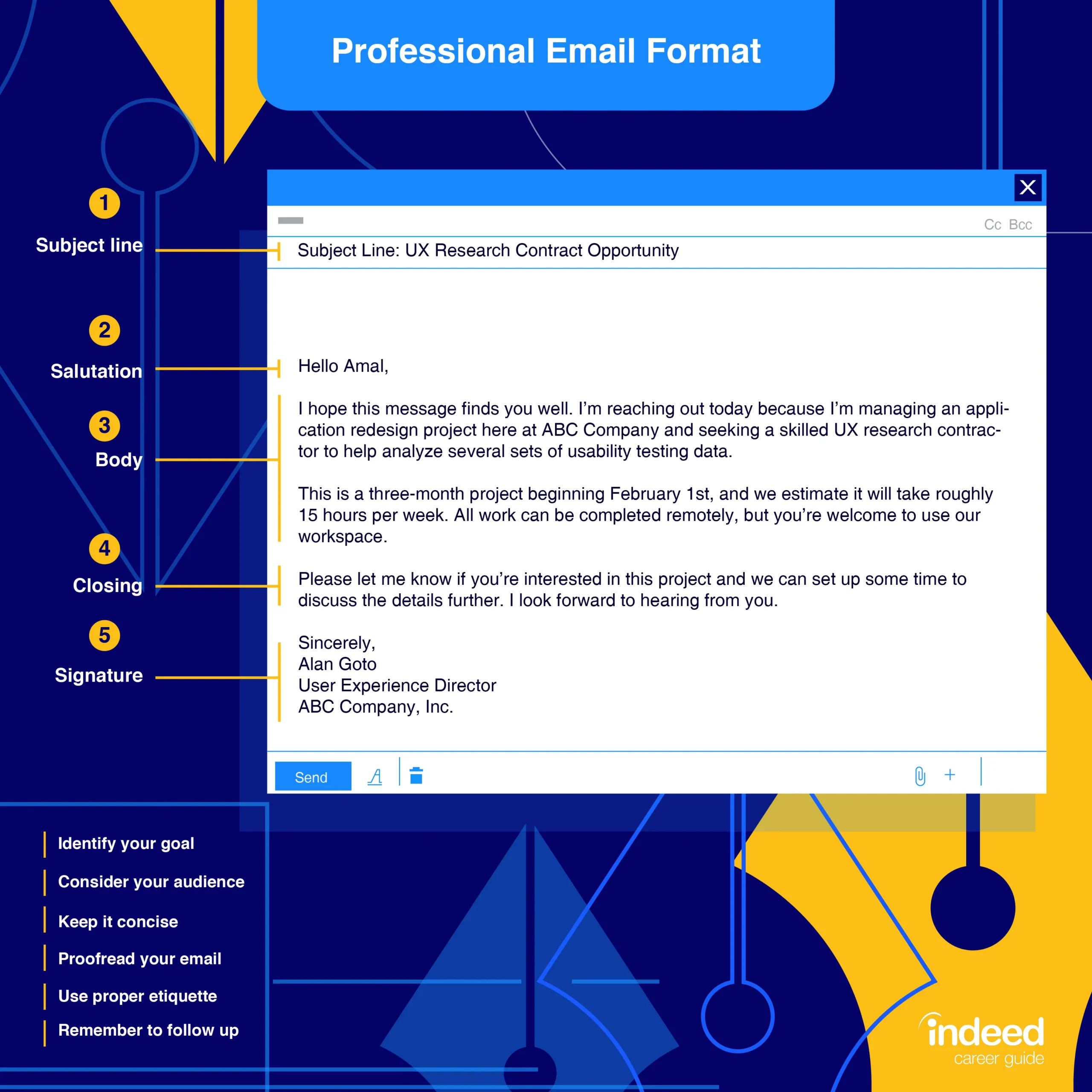
Writing an email isn't just about putting words on a screen. It’s about communicating effectively and clearly. Here’s a breakdown of the essential components.
1. Subject LineThe subject line is the first thing the recipient sees. Keep it concise and reflective of the email's content. An effective subject line prompts the recipient to open and read your email without confusion.
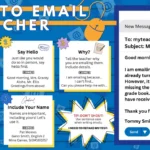
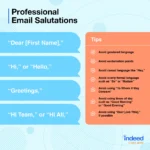
2. GreetingStart with a polite greeting. Use the recipient’s name if possible, which personalizes the message. For formal emails, "Dear [Name]" works well, while "Hi [Name]" can be suitable for more casual correspondence.
3. Opening StatementBegin your email with a brief introduction or purpose. Clearly state why you are writing. This helps set the context for the reader right from the start.
4. Main ContentOrganize your thoughts logically. Use short paragraphs and bullet points for clarity. This increases readability and ensures your main points are easily digestible.
- Be clear and to the point.
- Use plain language to avoid misunderstandings.
- Support your ideas with relevant information, if necessary.
What do you expect from the recipient? Clearly articulate what action you want them to take, whether it’s replying, providing information, or confirming a meeting.
6. Closing StatementSummarize your message briefly if needed, and thank the recipient for their time. This leaves a positive impression and prepares them for your closing.
7. Sign-OffClose with an appropriate sign-off, like "Best regards" or "Sincerely," followed by your name and any relevant contact information. A professional sign-off adds a layer of formality to your communication.
8. ProofreadingBefore hitting send, take a moment to check for spelling or grammatical errors. This attention to detail reflects your professionalism and respect for the recipient.
| Element | Description |
|---|---|
| Subject Line | Clear and concise summary of the email's purpose. |
| Greeting | Personalized salutation to the recipient. |
| Opening Statement | Brief introduction of the email's intent. |
| Main Content | Organized thoughts with clarity and supporting details. |
| Call to Action | Direct request for the recipient’s response or action. |
| Closing Statement | Summary and thanks for the recipient's attention. |
| Sign-Off | Professional closing with your name and contact info. |
| Proofreading | Final check for errors before sending. |
For insights on expressing difficult emotions in emails, consider exploring how to express anger in an email to maintain professionalism while addressing conflicts.
Practical Examples of Writing Emails
Crafting a Clear Subject Line
A concise and informative subject line sets the tone for your communication. For instance, instead of “Meeting,” use “Agenda for March 10 Project Update Meeting.”
Why this matters: Stating the purpose upfront saves the recipient time and ensures they know immediately what to expect, enhancing understanding.
Utilizing Professional Greetings
Beginning your email with an appropriate greeting, such as “Dear [Recipient's Name],” conveys respect. For a less formal approach, consider “Hi [Recipient's Name],” if the relationship allows.
Why this matters: Highlighting professionalism creates a positive impression and encourages a respectful response, fostering better communication.
Structuring Content with Clear Paragraphs
Breaking the content into short paragraphs increases readability. Each paragraph should address a specific point, making it easier for the recipient to digest the information.
Why this matters: Providing organized content aids in quick comprehension and prevents misunderstandings, promoting effective dialogue.
Adding a Call to Action
Concluding an email with a clear call to action, such as “Please confirm your attendance by Friday,” directs the recipient on what steps to take next.
Why this matters: Asking for specific actions clarifies expectations and timelines, ensuring all parties are aligned on the next steps.
Proofreading for Grammar and Spelling
Carefully reviewing your email before sending it checks for any grammatical or spelling errors, which can undermine credibility.
Why this matters: Providing a polished message demonstrates professionalism and attention to detail, enhancing the overall effectiveness of communication.
Incorporating Relevant Attachments
If your email references documents or reports, attaching those files provides supplementary information that can be crucial for context.
Why this matters: Including proper documentation supports your claims or requests, enriching the conversation and ensuring informed responses.
Expressing Gratitude
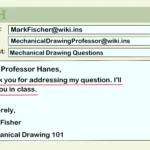
Closing your email with a note of appreciation, such as “Thank you for your attention to this matter,” leaves a positive lasting impression.
Why this matters: By acknowledging the recipient’s time and effort, you foster goodwill and encourage future willingness to engage.
Answering Your Email Writing Questions
What are the essential components of a professional email?
A professional email typically includes a clear subject line, a greeting, a concise body, and a closing statement. Make sure to include a signature with your name and contact information at the end. This structure helps convey your message clearly.
How do I maintain a polite tone in emails?
Using courteous language, avoiding slang, and expressing gratitude can help maintain politeness. Additionally, consider the recipient’s perspective when framing your requests or responses to ensure a respectful tone throughout your message.
What should I do if I need to email multiple recipients?
When emailing multiple recipients, use the "Cc" (carbon copy) field for those who should see the email and the "Bcc" (blind carbon copy) for those who should remain anonymous. Also, remember to be clear about whom you are addressing in the body to avoid confusion.
How can I handle sensitive topics in an email?
Approach sensitive topics with care by choosing your words thoughtfully. Use a neutral tone and be direct yet respectful about the subject matter. If it involves negative feedback or difficult news, consider offering a solution or an alternative if possible.
When you sit down to write an email, remember that communication is about connection. Keep your message clear, polite, and to the point, while also showing a bit of your personality. It’s not just a task to tick off your list; it’s an opportunity to engage with someone, whether it’s for work or personal reasons. So, the next time you hit that compose button, let your words reflect both your intent and respect for the reader. Go ahead and send that email with confidence—you’ve got this! And if you ever find yourself needing to express something a bit more complex, check out how to express anger in an email with professionalism and clarity.