Writing an email at the C1 level is more than just stringing words together; it's about making a real connection and conveying your thoughts clearly. Whether you're reaching out for a job opportunity, networking, or just keeping in touch, your email can leave a lasting impression—or none at all.
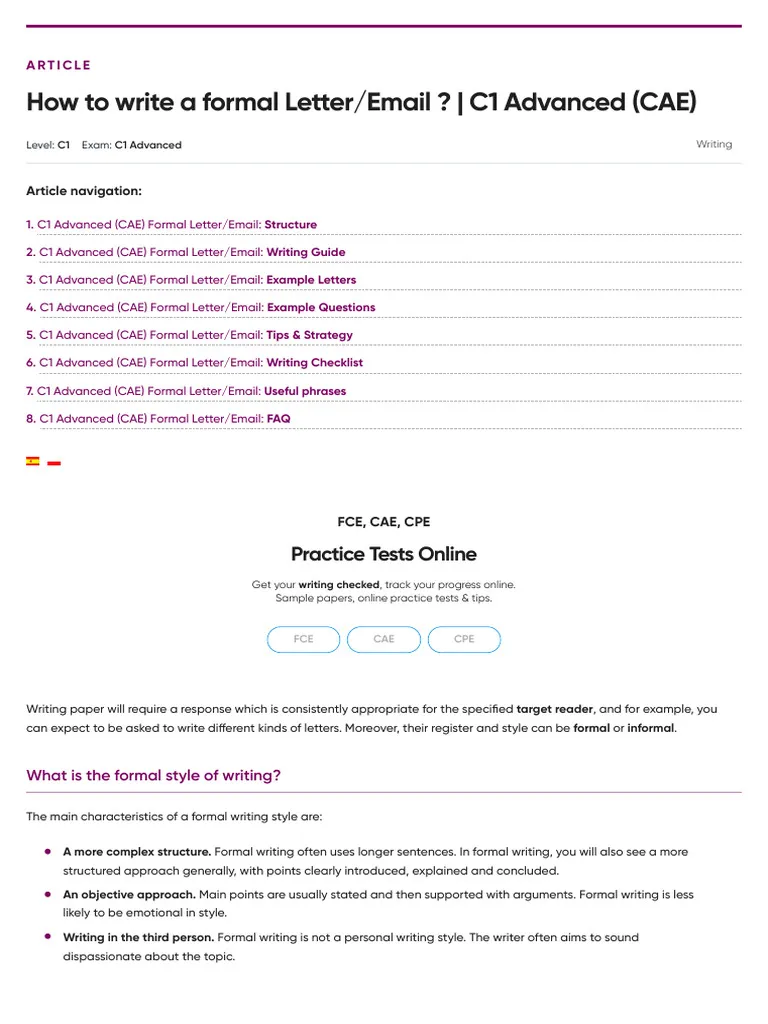
Understanding how to communicate effectively in writing is crucial, especially when you want to stand out. An email is often your first impression, and you want to ensure it reflects your intent and professionalism.
It’s not just about formalities; it’s about being authentic and displaying your personality through your words. In a world overflowing with digital communication, an email that feels personal can make a significant difference.
Essential Components for Crafting a C1 Email
Writing an email at the C1 level involves clarity, professionalism, and a strong command of language. Below are the crucial elements to consider when constructing such an email.
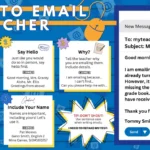
- Subject Line: This should be concise and informative, clearly indicating the email's purpose. A good subject line sets expectations right from the start.
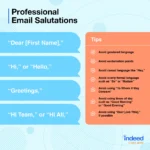
- Salutation: Start with a friendly greeting appropriate for your relationship with the recipient. Use “Dear [Name]” for formal contexts or “Hi [Name]” for a more casual approach.
- Introduction: The opening sentence should state the reason for the email. For example, “I hope this email finds you well. I am writing to discuss…”
- Body: This is where you elaborate on your message. Organize your thoughts clearly, using paragraphs for separate points. Bullet points or numbered lists can aid readability.
- Call to Action: Conclude your main points with a clear request or next step. For instance, “Could we schedule a meeting next week to discuss this further?”
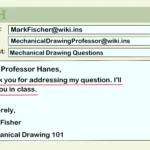
- Closing: Use an appropriate sign-off, like “Best regards” or “Sincerely,” followed by your name and any relevant contact information or position.
- Signature: Include a professional signature that comprises your full name, job title, company name, and additional contact details. This enhances credibility.
Comparative Overview of Email Styles
| Email Purpose | Formal | Informal |
|---|---|---|
| Business Proposal | Formal tone, detailed explanation | Brief mention, personal note |
| Follow-up | Respectful reminder, clear deadline | Friendly nudge, humorous touch |
| Thank You | Gratitude with specifics | Short message, personal anecdote |
When writing, remember to maintain a consistent style that reflects your personality and the context of your communication. Always proofread before sending to catch any errors or unclear points, ensuring your email communicates precisely what you intend. Clear and concise language solidifies the message you're conveying, allowing the recipient to respond effectively.
Real-World Applications of Email Writing Skills
Maintaining Professionalism in Correspondence
When communicating with colleagues or clients, using a respectful tone and clear language reflects your professionalism. For example, addressing recipients formally and including appropriate closing remarks can set a courteous tone.
Why this matters: Stating the importance of professionalism builds trust and fosters a positive working relationship.
Utilizing Clear Subject Lines
Crafting a concise subject line ensures immediate recognition of the email’s content. For instance, instead of vague titles like "Update," a subject like "Project X Update: Deadline Extensions" provides clarity.
Why this matters: Highlighting clear subject lines leads to higher open rates and helps recipients prioritize their responses.
Structuring Your Message for Readability
Using bullet points and short paragraphs can enhance readability, especially for complex information. For example, when summarizing a project, breaking down the key points into a list can make the email easier to digest.
Why this matters: Providing structured information encourages quicker understanding and decision-making from the reader.
Incorporating a Call to Action
Including a clear call to action directs the recipient on the next steps. For instance, ending an email with “Please confirm your attendance by Friday” clarifies what is expected.
Why this matters: Asking for a specific response ensures accountability and can lead to timely feedback or action.
Personalizing Your Approach
Tailoring your message to the recipient's preferences or previous interactions can deepen relationships. Referencing a past conversation shows engagement and attentiveness.
Why this matters: By keeping the communication personal, you strengthen connections and enhance collaboration.
Proofreading for Errors
Taking the time to review your email for spelling and grammatical errors ensures professionalism. For example, sending a message free of typos portrays attention to detail.
Why this matters: Highlighting error-free communication reflects well on your competence and brands you as meticulous.
Adapting Tone to Audience
Adjusting your tone based on the audience, such as using more formal language for clients while being casual with coworkers, can enhance communication effectiveness. This flexibility demonstrates emotional intelligence.
Why this matters: By keeping the tone appropriate, you promote a better understanding and rapport with different audiences.
Email Writing Insights for C1 Learners
What are essential elements to include in a formal email?
A formal email typically includes a clear subject line, a courteous greeting, an informative body, and a polite closing. Each section should be structured logically to convey your message effectively.
How can I maintain a professional tone without sounding overly stiff?
What are common mistakes to avoid in professional emails?
Watch out for typos, overly long sentences, and unclear subject lines. Additionally, addressing the recipient incorrectly or using informal language can undermine your professionalism.
How do I handle attachments in a formal email?
Always mention attachments in the body of your email, stating what they are and why they are included. Also, ensure that the files are appropriately named and in a widely accepted format to avoid compatibility issues.
When it comes to writing an email that gets your message across, clarity and a personal touch are what truly matter. It’s about being genuine and making your reader feel appreciated. So, as you sit down to compose your next email, remember to strike a balance between professionalism and friendliness. Don’t hesitate to let your personality shine through! Now, go ahead and put these ideas into practice—your inbox will thank you for it!