Addressing two people in an email might seem straightforward, but it carries a weight that can set the tone for your communication. Whether you’re reaching out to colleagues, clients, or friends, getting it right can enhance your relationships and ensure your message is received well.

With so much competing for our attention, every word matters. Missteps in emails can lead to misunderstandings or come off as unprofessional. It’s essential to show respect and awareness of social dynamics, especially when connecting with multiple recipients.
This isn't just about etiquette; it’s about making sure your email resonates. The way you address people can reflect your awareness of their roles and contributions, which can help foster cooperation. Let's explore how to navigate this small but impactful detail in your communications.
Understanding the Essentials of Addressing Two People in an Email
Addressing two individuals in an email requires clarity and respect for both parties. This approach ensures that communication is effective and maintains a professional tone.
- Order of Names: Traditionally, the person you have a closer relationship with or the one you want to emphasize should come first.
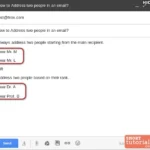
- Salutation: Use a joint greeting. Common options include "Dear [Name 1] and [Name 2]," or "Hi [Name 1] and [Name 2]."
- CC Field: If applicable, include both individuals in the CC (carbon copy) field to keep everyone informed. This promotes transparency.
- Body Structure: Ensure the message addresses both parties equally. Use terms like "you both" or "you two" for inclusivity.
Keep in mind the following when drafting your email:
| Aspect | Recommendation |
|---|---|
| Formality Level | Adjust based on your relationship with the recipients. Use full names for formal situations, and first names for informal ones. |
| Email Etiquette | Be concise. Both individuals should easily grasp the email's purpose without confusion. |
| Follow-Up | Plan for a follow-up as needed, ensuring both recipients are on the same page. |
For enhanced communication efficiency, consider organizing your contacts. Creating an email group can facilitate future correspondence and streamline your outreach process. Learn more in this article.
Real-World Applications of Addressing Two People in an Email
Choosing the Right Salutation
When addressing two people, using a salutation like "Dear John and Jane," ensures clarity and politeness. Alternatively, using "Hi John and Jane," can give a more casual tone.
Why this matters: Stating the appropriate salutation sets the tone for the email, establishing a friendly but professional rapport right from the beginning.
Utilizing CC and BCC Fields
If you want to keep others informed without addressing them directly, placing their email in the CC or BCC fields is useful. For instance, sending an email to John and CCing Jane can keep everyone in the loop without overwhelming the primary recipient.
Why this matters: Highlighting the use of CC and BCC helps maintain transparency and inclusivity in communication while giving recipients control over who sees their email addresses.
Segmentation in Body Text
When addressing two people, consider segmenting your email body into clear sections. For example, "John, regarding the project deadline…" followed by "Jane, concerning the budget…" can prevent confusion.
Why this matters: Providing clear segments allows both recipients to easily identify the information that pertains specifically to them, enhancing comprehension.
Personalizing the Message
Incorporating personal touches like, “Hope you both had a great weekend,” shows consideration for both recipients, making the email more engaging.
Why this matters: Asking about personal experiences builds rapport and strengthens relationships, making recipients more receptive to the email’s content.
Using Bullet Points for Clarity
When outlining multiple points for both recipients, utilizing bullet points can simplify the information. For instance, “John: 1. Task A, 2. Task B; Jane: 1. Task C, 2. Task D” clearly defines responsibilities.
Why this matters: By keeping information organized, the recipients can quickly reference what applies to them, reducing the chances of oversight or misunderstanding.
Concluding with a Collective Call to Action
A closing line like “Looking forward to your feedback from both of you” encourages collaborative discussion and invites contributions from both parties.
Why this matters: Providing a collective call to action fosters accountability and promotes teamwork, signaling that input from both recipients is valued.
Indicating Next Steps for Each Person
Clarifying the next steps, such as “John, please prepare the report by Friday; Jane, can you review it afterward?” allows each recipient to understand their responsibilities.
Why this matters: Asking for specific actions helps set clear expectations, ensuring that both parties know what is required moving forward, thus facilitating smoother collaboration.
Navigating Email Etiquette with Two Recipients
How should I format the greeting when addressing two people in an email?
When addressing two people, you can format the greeting in a few ways. A typical approach is to use "Dear [Name 1] and [Name 2]," or simply start with "Hi [Name 1] and [Name 2]," for a more casual tone. Just ensure both names are clearly listed to avoid any confusion.
Is there a preferred order for listing names in an email?
Yes, when listing names in the greeting, it's often best to put the person you know better or who holds a higher position first. This small consideration can enhance the tone and respect in your communication, especially in professional settings.
What if I don’t know the second person’s name? How should I address them?
If you're unsure of the second person’s name, you might opt for “Dear [Name 1] and Team,” or “Dear [Name 1] and Colleagues.” This acknowledges the first person while still being inclusive of others you haven't addressed directly.
Can I use “CC” to include multiple recipients without addressing them specifically?
Using "CC" is a practical approach for keeping others in the loop without including them directly in the greeting. However, it's still courteous to mention the main recipient in the greeting while acknowledging others in the CC field.
When you're addressing two people in an email, keeping it personal and acknowledging both recipients can create a warm, inclusive vibe. Remember, using their names in the greeting sets the tone for the conversation—something as simple as “Hi Sarah and James” can make a big difference. So, the next time you hit send, take those extra few seconds to connect with both of them directly. It's a small step that can lead to more engaged responses and stronger relationships. Give it a shot, and watch how a little effort in your emails can go a long way!