Your email address isn’t just a string of letters and numbers; it’s your digital identity. Understanding what an email address is and how it works can transform the way you connect with others, whether for personal communications or professional networking.

Imagine sending a message across the globe with just a few clicks. That’s the power an email address gives you, allowing seamless communication in our increasingly connected world. It's essential for everything from chatting with friends to securing jobs, managing your finances, and receiving important updates.
If you've ever felt lost in the maze of email services, you’re not alone. With so many providers and options available, having a clearer understanding of what an email address really entails can help you choose the right one for your needs.
Your email address encapsulates your online presence and plays a vital role in how you engage with various digital platforms. Let’s break down what an email address is and why it's crucial for both your personal and professional life.
Core Elements of an Email Address
An email address is a unique identifier that facilitates the sending and receiving of electronic messages. Understanding its structure helps to clarify how communication works in the digital realm. Here’s a breakdown of its core components:
- Username: This part appears before the "@" symbol and represents the individual or entity using the email address. It can include letters, numbers, and some special characters.
- Domain Name: Located after the "@" symbol, this component specifies the mail server that handles the email. It typically consists of a domain (like "gmail" or "yahoo") followed by a top-level domain (TLD) such as ".com" or ".org".
- Subdomain (optional): This part may be included before the domain name to indicate a specific server or service. For instance, "mail.google.com" uses "mail" as a subdomain.
| Component | Description |
|---|---|
| Username | Identifies the individual or entity. |
| Domain Name | Indicates the mail server provider. |
| Subdomain | Specifies a particular service or section of the domain (if applicable). |
Here's an example for clarity: in the email address [email protected], "john.doe" is the username, "gmail" is the domain, and ".com" is the top-level domain.
Recognizing these parts can help users manage their email more efficiently, troubleshoot issues, or understand how their information is structured online. For those who rely heavily on email communication, a clear grasp of these elements enables smoother interactions, especially in a professional setting.
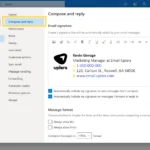
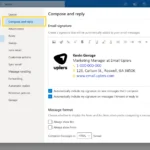
For example, learn how to enhance professional communication using email signatures through this article on creating email signatures in Outlook.
Real-World Applications of Email Addresses
Connecting with Clients and Customers
Businesses utilize email addresses to communicate with clients, send promotions, and establish customer support channels.
Why this matters: Engaging customers through email helps maintain relationships and drives brand loyalty.
Facilitating Online Transactions
Email addresses are essential for completing online purchases, where confirmation and receipt details are sent to customers.
Why this matters: Ensuring customers receive timely confirmations builds trust and improves their shopping experience.
Setting Up User Accounts
Many platforms require an email address for user registration, allowing users to access services and manage their accounts.
Why this matters: Strengthening account security and user identification often starts with a verified email address.
Facilitating Password Recovery
Email addresses serve as a mechanism for users to recover forgotten passwords and regain access to accounts.
Why this matters: Streamlining the password recovery process enhances user convenience and retention.
Sending Newsletters and Updates
Organizations leverage email to distribute newsletters, keeping subscribers informed about new products and events.
Why this matters: Maintaining regular contact through email helps foster community and boosts engagement.
Enabling Notifications and Alerts
Many applications use email addresses to send alerts and notifications regarding account activities and updates.
Why this matters: Providing timely information through alerts increases user awareness and strengthens security protocols.
Creating Professional Email Signatures
Individuals and businesses can create personalized email signatures that include their email addresses, enhancing professional communication.
Why this matters: Presenting a polished image through a signature reinforces the sender's identity and fosters credibility.
Understanding Email Addresses
What exactly is an email address and how does it work?
An email address is a unique identifier used for sending and receiving messages over the internet. It typically consists of two parts: a local part (the username) and a domain part, separated by an "@" symbol. For example, in [email protected], "johndoe" is the username and "example.com" is the domain.
Why do I need an email address?
Email addresses are essential for various online interactions, such as registering for websites, communicating with others, and receiving important information. Without one, you’d miss out on essential services and updates in both personal and professional contexts.
What should I consider when choosing an email address?
How can I create an email address?
Creating an email address typically involves choosing an email service provider, such as Gmail or Outlook, and filling out a registration form. You'll need to select a unique username and set a password. After verification, you'll be ready to send and receive emails.
Your email address is more than just a way for people to reach you; it’s the digital front door to your personal and professional life. Understanding its structure and importance can really open up new avenues for communication and connection. So, whether you’re sending a quick message to a friend or a formal email for work, make sure your email address reflects who you are. If you're looking to polish up your professional communication even more, check out how to create an email signature in Outlook that leaves a great impression. Go ahead, embrace the power of your email, and connect with the world around you!