Writing a long email can feel daunting, right? You want to share important information, but you risk losing your reader's attention if it becomes overly verbose. In real life, clear communication can make or break relationships, both personal and professional.
Whether you’re detailing a project update, addressing feedback, or discussing a sensitive topic, getting the tone and structure right is essential. This isn’t just about filling up space; it’s about connecting with the reader and ensuring your message lands as you intend.
Let’s face it, everyone has different email habits. Some thrive on brevity, while others appreciate extensive detail. Knowing how to navigate this can significantly enhance the way your emails are received. If you ever find yourself unsure how to strike that balance, you’re not alone.
Understanding how to express complex ideas without overwhelming or boring your audience can open up dialogues and foster collaboration. Plus, getting your point across clearly can save you future back-and-forths.
If you need to share difficult emotions or frustration, check out how to express anger in an email with professionalism and clarity—it can offer useful insights that complement your long-form communications.
Core Elements of Writing a Long Email
Writing a long email can often feel daunting, but understanding its structure and essential components can make the task much simpler. A well-organized, thoughtfully composed email ensures that your message is clear and maintains the reader's attention. Here’s how to approach it.
1. Subject Line
The subject line is the first thing the recipient sees. It should be precise and indicate the email's content. A good subject line grabs attention without being overly vague or lengthy.
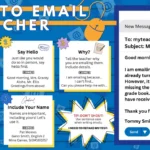
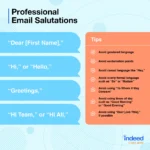
2. Opening Greeting
Start with a friendly yet professional greeting. Use the recipient's name to personalize the email. This establishes a tone of respect and opens the lines of communication.
3. Purpose Statement
State the main reason for your email early on. A brief overview of what the email will cover helps set expectations and keeps the reader engaged.
4. Main Content
The body should be broken down into sections or bullet points for easy reading. Consider these elements:
- Paragraphs: Each section should focus on a single idea. Use clear and concise language to convey your message.
- Subheadings: If the email is lengthy, using subheadings can help organize thought processes and allow readers to skim for important information.
- Bullet Points or Numbered Lists: These create visual breaks and make it easier for the reader to digest details.
5. Call to Action
Indicate what you want the reader to do after reading your email. Whether it’s to respond, attend a meeting, or provide feedback, a clear call to action can prevent misunderstandings.
6. Closing Remarks
Conclude your email with a polite closing statement. Thank the recipient for their time or express your eagerness for their response.
7. Signature
Include a professional signature at the end. This should contain your name, position, and contact details, making it easy for the recipient to reach you.
Sample Email Structure
| Section | Content Example |
|---|---|
| Subject Line | Project Update: New Developments and Next Steps |
| Opening Greeting | Hi [Recipient's Name], |
| Purpose Statement | I hope this message finds you well. I'm writing to provide an update on the project... |
| Main Content |
|
| Call to Action | Please review the updates and let me know your thoughts by Friday. |
| Closing Remarks | Thank you for your attention! |
| Signature | [Your Name] [Your Position] [Your Contact Information] |
For further reading, consider checking out this article on expressing emotions in emails without losing professionalism. Navigating these conversations can enhance your communication skills significantly.
Real-World Applications of Writing Long Emails
Detailing Project Updates
When informing stakeholders about a project’s status, a long email can comprehensively outline progress, obstacles, and next steps. For example, listing achievements week by week, specifying issues faced, and suggesting solutions creates a thorough overview.
Why this matters: Highlighting the nuances of the project ensures everyone is aligned, minimizing confusion and streamlining future discussions.
Conducting Performance Reviews
Incorporating feedback for team members into a long email allows for a well-rounded performance review. Discussing strengths and weaknesses, setting goals, and providing examples fosters a detailed performance dialogue.
Why this matters: Stating clear points encourages transparency and promotes growth, fostering a positive work environment.
Providing Comprehensive Client Proposals
Sending a lengthy email with a proposal to a client helps outline services in detail, including deliverables, timelines, and pricing. This extensive overview can address potential questions before they arise.
Why this matters: Offering a detailed breakdown builds trust and showcases professionalism, positioning your business favorably in the client's eyes.
Sharing Educational Resources
Creating an email that provides multiple articles, videos, or courses relevant to the recipient's interests or needs can enrich their understanding. By segmenting each resource with explanations, the email becomes a valuable learning tool.
Why this matters: Providing curated content strengthens relationships and establishes you as a knowledgeable source in your field.
Outlining Meeting Notes and Action Items
After a meeting, a long email summarizing discussions, decisions made, and assigned action items ensures that all attendees are on the same page. Structuring this information clearly helps prevent miscommunications.
Why this matters: Asking for accountability by outlining specific tasks promotes collaboration and ensures follow-through on discussions.
Announcing Organizational Changes
When a company undergoes significant changes, a detailed email explaining the rationale and what to expect helps manage employee concerns. Addressing potential impacts and support available reassures staff during transitions.
Why this matters: Providing reassurance in times of change fosters trust between management and employees, encouraging a smoother transition.
Explaining Complex Issues
In instances where a challenge arises, a long email can dissect the issue thoroughly. Elaborating on the root cause, potential consequences, and proposed solutions clarifies matters significantly.
Why this matters: By keeping the audience informed, concern turns into proactive discussion, enhancing problem-solving and collaboration.
Your Comprehensive Long Email Resource
What structure should I follow to organize a long email?
Structuring a long email typically involves starting with a clear subject line, followed by a brief introduction that outlines your main points. Use headers or bullet points to break down sections, making it easier for the reader to digest the content.
How can I ensure my long email remains engaging?
To keep your reader engaged, integrate a conversational style that resonates with your audience. Use anecdotes or relevant examples to illustrate your points, and ask questions throughout to prompt a response or reflection.
What should I do if I feel overwhelmed by writing a long email?
If you’re feeling overwhelmed, take a step back and outline your main ideas first. This approach allows you to focus on each section individually rather than trying to tackle the entire email all at once, making it feel more manageable.
Are there any common mistakes to avoid when writing a long email?
Avoid overly complex language or jargon that might alienate your reader. Also, steering clear of vague statements will help maintain clarity and purpose throughout your email.
When it comes to writing a long email, the heart of the matter is staying organized and focused on your core message. It’s all about making sure your reader can easily follow along without feeling overwhelmed. Remember, a clear structure not only helps convey your thoughts but also respects your reader's time. So, next time you sit down to write a longer email, keep it straightforward and engaging. You've got this—just think of it as a conversation where every word counts!