Knowing how to sign an email isn't just about wrapping up a message; it’s about leaving a lasting impression. Whether you’re reaching out to a colleague, a potential client, or a friend, the way you conclude an email can speak volumes. A well-thought-out sign-off can enhance your professionalism and give your correspondence a personal touch.

Think of it as your digital handshake. A casual “Best” or a formal “Sincerely” sets the tone for future interactions. If you’re wondering why this matters, consider this: your email signature is often the final point of contact—and you want it to resonate positively in the recipient's mind.
In an era where communication is rapid and often impersonal, how you approach this simple task can make a difference. Sticking to a clear structure not only shows courtesy but also ensures your message is wrapped up neatly, giving the recipient everything they need to follow up.
So, let’s explore the nuances of email sign-offs, ensuring your communications always feel warm, professional, and personal.
Essential Components of a Well-Signed Email
Ensuring your email is professionally signed is vital for clear communication and leaving a good impression. Here's how to structure your email signature effectively.
- Your Name: Clearly state your full name. This establishes personal connection and professionalism.
- Your Job Title: Include your position to give context regarding your role in the correspondence.
- Your Company Name: Mention the organization you represent. This adds credibility and helps the recipient identify you.
- Contact Information: Provide multiple ways to reach you, such as your phone number, email address, and possibly a professional social media link. This facilitates further communication.
- Company Website: Including the URL directs recipients to your company’s resources for more information.
- Legal Disclaimers: If necessary, add disclaimers especially in legal or financial sectors, ensuring compliance and safeguarding confidential information.
- Call to Action: In some contexts, a polite invitation for the recipient to act (like scheduling a meeting) can be beneficial.
The layout and design of your signature can also influence its effectiveness:
- Font Style: Use a clean and legible font. Avoid excessive fonts that distract from the content.
- Font Size: Opt for a size that is readable on various devices, typically between 10pt and 12pt.
- Color Scheme: Stick with colors that align with your brand, maintaining a professional aesthetic.
- Whitespace: Allow for adequate spacing to prevent clutter. A well-spaced signature is easier to read.
| Component | Description |
|---|---|
| Your Name | The personal identifier that represents you in correspondence. |
| Your Job Title | Your current role adds context to the email's purpose. |
| Your Company Name | Establishes brand identity and credibility. |
| Contact Information | Multiple contact methods enhance communication accessibility. |
| Company Website | Links to additional resources and information about the company. |
| Legal Disclaimers | Compliance safeguards when sharing sensitive information. |
| Call to Action | Encourages further engagement with the recipient. |
For more on optimizing your email appearance, check out How To Change Your Email Signature In Outlook For Professionalism.
Real-World Examples of Signing Emails
Professional Signatures
Including your full name, job title, and company in your email signature establishes your professional identity. For instance, "John Doe, Sales Manager at XYZ Corp."
Why this matters: Stating your role and affiliation enhances credibility, making recipients more likely to engage with your message.
Contact Information
Incorporating additional contact details, such as phone number and company website, ensures easy communication. For instance, "Phone: (123) 456-7890, Website: www.xyzcorp.com."
Why this matters: Providing multiple ways to reach you fosters convenience, allowing recipients to choose their preferred method of contact.
Social Media Links
Adding links to your professional social media profiles, like LinkedIn, helps network and build rapport. For example, "Connect with me on LinkedIn: www.linkedin.com/in/johndoe."
Why this matters: Highlighting your online presence expands your professional reach, encouraging connections with potential collaborators.
Company Logo
Embedding your company’s logo in your signature creates a visual brand identity. This could be a small image linked to your website.
Why this matters: Keeping brand visibility consistent across communications reinforces your company’s image, making it more recognizable to recipients.
Legal Disclaimers
Including a legal disclaimer at the end of your emails can protect sensitive information. For instance, "This email may contain confidential information."
Why this matters: Providing legal clarity safeguards your organization against potential misinterpretations, protecting both you and the recipient.
Call to Action
Incorporating a brief call to action, such as "Looking forward to your feedback," encourages prompt responses and engagement.
Why this matters: Asking for a response motivates recipients to take action, improving the likelihood of timely communication.
Personal Touch
Including a personalized sign-off, such as "Best regards" or "Cheers," can make your emails feel warmer and more approachable.
Why this matters: Highlighting a friendly tone fosters a positive relationship, making recipients more open to future interactions.
Navigating Email Signatures: Your Questions Answered
How do I create a professional email signature?
Start by including your full name, job title, and company name. You can enhance it with contact information and social media links, ensuring it reflects your professionalism and personality.
What elements should I avoid in my email signature?
Steer clear of excessive colors, images, or quotes that may distract from the main message. Also, avoid using outdated contact information or hyperlinks that lead to broken pages.
Is it necessary to include a legal disclaimer in my signature?
This can depend on your industry. In sectors like finance or healthcare, a brief legal disclaimer is often advisable. For casual or personal emails, it's generally unnecessary.
Can I customize my email signature on different platforms?
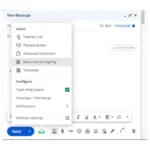
Absolutely! Most email clients allow for customization, though the process varies by platform. Check the specific settings in your email provider for personalized options.
Feel free to check out our article on [How To Change Your Email Signature In Outlook For Professionalism](https://www.aceentertainment.io/how-to-change-your-email-signature-in-outlook-for-professionalism/) for more insights on enhancing your email signature.Signing your emails might seem small, but it can really make a difference in how your messages are received. A thoughtful sign-off not only reflects your personality but also leaves a lasting impression on the reader. So, take a moment to find a sign-off that feels authentic to you—whether it’s warm and friendly or professional and polished. Go ahead and experiment with your signature to see what resonates best with your style and audience. Happy emailing!