Need to sign a document in an email? It's a common scenario in today’s fast-paced work environment, and knowing how to do it smoothly can save you time and hassle. Whether it’s a contract, an agreement, or any important paperwork, your ability to add your signature digitally can make all the difference.

Many people find themselves fumbling with printing, signing, and scanning, which can be a real drag. Instead, why not simplify the process and get it done quickly? We’ll walk through straightforward ways to sign documents directly in your emails, so you can keep your workflow smooth and professional.
First things first, let’s talk about the tools at your disposal. You may already have software that allows for easy digital signing, or there are several online services that can help you do this seamlessly. Knowing what options are out there can help you pick what works best for you and your needs.
Core Elements for Signing Documents in Emails
Signing a document in an email involves several straightforward steps. Here's a breakdown of this process that ensures clear communication and legal validity.
- Choose the Right Format: Decide between digital signatures, scanned signatures, or an e-signature service, depending on the document’s requirements.
- Prepare the Document: Ensure the document is complete and ready to be signed. Review all sections to avoid any errors.
- Signature Placement: Identify where your signature should appear. Typically, signatures are placed at the end of the document, often followed by your printed name and any relevant titles.
- Secure Your Signature: If using a scanned signature, ensure the image is clear and unaltered. For digital signatures, choose a reputable e-signature platform.
- Send the Email: Compose a message that clearly indicates the purpose of the email. Attach the signed document directly, or provide a link to access it if using an e-signature service.
- Follow-Up: After sending the email, check in to ensure the recipient received the signed document and confirm if further action is needed.
This process keeps communication straightforward and professional, which is vital in business contexts.
Document Signing Checklist
| Step | Action | Notes |
|---|---|---|
| 1 | Format Selection | Digital, scanned, or e-signature |
| 2 | Document Preparation | Review for completeness |
| 3 | Signature Placement | End of the document |
| 4 | Security Measures | Ensure clarity and integrity of signature |
| 5 | Email Composition | Clear purpose and instruction |
| 6 | Follow-Up | Confirm receipt and next steps |
Sticking to this checklist can mitigate issues and ensure the signing process is smooth and effective.
Benefits of Electronically Signing Documents
- Speed: Facilitates quicker transactions without the need for physical delivery.
- Cost-Effectiveness: Reduces expenses related to printing, mailing, and physical storage.
- Accessibility: Easily sign documents from any device, anytime, anywhere.
- Environmental Impact: Less paper usage contributes to sustainability.
Exploring these aspects can enhance your understanding of remote document signing.
For more insights into professional communication, check out our article on updating your email signature in Outlook.Real-World Applications of Signing Documents in Emails
Utilizing Digital Signatures for Legal Contracts
Digital signatures provide a secure and verifiable method to sign legal contracts without the need for physical paperwork. Platforms like DocuSign allow users to sign and send documents electronically, ensuring authenticity and compliance with legal standards.
Why this matters: Stating the convenience of digital signatures can significantly speed up contract negotiations and closures, making them a preferred choice in today’s fast-paced business environment.
Incorporating Electronic Signature Platforms
Using specialized electronic signature platforms enables businesses to manage document workflows efficiently. These platforms often include features for tracking signatures, storing signed documents, and integrating with other software applications.
Why this matters: Highlighting the streamlined process of managing multiple documents through a single platform enhances productivity and reduces the risk of missed deadlines.
Sending Confidential Documents Securely
For sensitive documents, email clients often allow users to encrypt emails, ensuring that only the intended recipient can access the attached signed document. This adds an extra layer of security to your communications.
Why this matters: By keeping confidential information safe, you foster trust with clients and stakeholders, demonstrating a commitment to data protection.
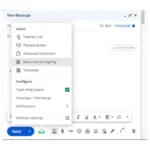
Using Email Clients to Signature Setup
Email clients such as Outlook allow users to create preset signatures for different documents, making it easy to apply personalized signatures quickly. This feature helps maintain a professional appearance in communications.
Why this matters: Asking for consistency in branding while interacting with clients enhances credibility and portrays a professional image.
Verifying Identity with In-Person Signatures
In scenarios where documents require additional verification, sending a scanned copy of a signed document via email ensures that both parties have a record of the original signature, combining traditional methods with modern technology.
Why this matters: Providing verification can mitigate disputes and adds a layer of authenticity to the signed documents, which is crucial in legal matters.
Using Email for Approval Processes
Many businesses utilize email as part of their approval workflows, allowing team members to sign off on documents directly within the email. This could include invoices, project proposals, or team contracts.
Why this matters: Highlighting the smooth flow of approvals through email can lead to quicker project completions and improved collaboration among team members.
Facilitating International Agreements
Emails enable the signing of documents across borders without the need for physical meetings. This is particularly useful for companies working with international clients, as they can easily send and receive signed agreements.
Why this matters: By enhancing global collaboration, businesses can expand their reach and engage with a broader range of clients, ultimately driving growth.
Understanding Document Signing in Email Communications
What file formats are suitable for signing documents in an email?
Common formats include PDF, DOCX, and JPEG. PDFs are widely preferred for their ability to maintain formatting and provide options for electronic signatures, while DOCX files allow for easy edits. JPEGs can be used for scanned signatures but lack the precision of PDF signatures.
Are there specific tools required for signing a document electronically?
You can use various tools, such as Adobe Acrobat for PDFs or web-based platforms like DocuSign and HelloSign. Many email clients also have built-in options for electronic signatures, but these might be limited in features.
How can I ensure the signature is legally binding?
To ensure legal binding, use a recognized electronic signature service that complies with laws like ESIGN and UETA in the US. Make sure both parties agree on the terms and save the signed document in a secure location.
What are the best practices for signing documents sent via email?
Always double-check the recipient’s email address and confirm they are expecting the document. Use a clear and concise subject line, and provide context in your email body so that the recipient knows what to expect from the attached document.
Making sure to sign your documents in an email adds a personal touch and assures the recipient of your authenticity. Whether you choose a digital signature or a simple name at the end of your message, the goal is to convey professionalism and trust. As you hit send, remember that clarity and courtesy go a long way in digital communication. So go ahead, sign your emails with confidence and let your personality shine through! And if you're looking to up your email game even more, check out how to update your email signature in Outlook for a professional appearance.