Signing an email document isn’t just a technical task; it’s often a necessity in our fast-paced, digital world. Whether you’re finalizing a contract, approving a sensitive proposal, or sending a crucial document to your boss, knowing how to do this seamlessly can save you time and avoid unnecessary headaches.

In today’s professional environment, digital signatures are more than just a formality. They convey trust and authenticity and ensure that your communications carry the weight they deserve. Plus, with the right approach, signing documents via email can be a straightforward process.
So, if you’re looking to streamline your workflow and maintain a professional edge, understanding how to sign email documents is essential. It’s about making sure that your credibility shines through in every correspondence.
Core Elements of Signing an Email Document
Signing an email document has become increasingly common in both personal and professional communications. Understanding the structure and process can streamline this task effectively. Below are the core elements to consider when signing an email document.
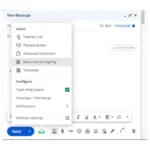
- Email Client: Ensure you are using an email client that supports digital signatures. Many platforms like Outlook or Gmail offer built-in features for signing documents.
- Signature Type: Decide on the type of signature you need. This can range from a simple typed name to a scanned image of your handwritten signature, or a digital signature from a certificate authority.
- Adding the Signature: For image or digital signatures, insert the signature at the end of your email. Make sure it is clear and easily recognizable.
- Legal Considerations: Be aware of the legal implications of your signature. Ensure that it complies with the regulations and requirements of your industry or jurisdiction.
- Security Features: If using a digital signature, confirm the security features in place. This strengthens the authenticity of the signed document and protects it from tampering.
| Signature Type | Description |
|---|---|
| Typed Signature | A simple text-based representation, typically consisting of your name and title. |
| Image Signature | A scanned image of your actual signature, providing a personal touch. |
| Digital Signature | A cryptographic signature that verifies your identity and ensures document integrity. |
For those using Outlook, familiarizing yourself with email signature settings can enhance the professionalism of your correspondence. Consider editing your email signature through your email application for better consistency in your communications. Check out our article on editing email signatures in Outlook for more information.
Practical Use Cases for Signing Email Documents
Ensuring Legal Compliance
Signing email documents allows businesses to meet legal requirements. Many contracts and agreements must be signed to be enforceable; electronic signatures help streamline this process.
Why this matters: By providing a legally binding alternative to traditional signatures, organizations can avoid potential disputes and ensure their agreements are recognized in court.
Enhancing Business Transactions
Many companies use email signatures for purchase orders and agreements, providing a faster turnaround on documents that require signatures.
Why this matters: Highlighting faster transaction times can significantly improve cash flow and operational efficiency, allowing businesses to operate more dynamically.
Simplifying Remote Work
In a remote work environment, signing email documents allows teams to collaborate on contracts without needing to be in the same location.
Why this matters: By facilitating collaboration, remote teams can streamline workflows and maintain productivity, regardless of geographical barriers.
Improving Record Keeping
Using email signatures for documents ensures a digital trail of transactions, making it easier to access and organize signed agreements.
Why this matters: By providing easy access to digital records, organizations can enhance their documentation process and simplify audits or compliance checks.
Increasing Customer Convenience
Customers can quickly review and sign documents via email, making the process user-friendly and efficient when finalizing sales or agreements.
Why this matters: By keeping the signing process simple for customers, businesses improve satisfaction and retention rates, fostering stronger client relationships.
Streamlining Hiring Processes
Recruiters often send offer letters via email for candidates to sign, expediting the hiring process and reducing time to fill positions.
Why this matters: By accelerating hiring times, organizations can secure top talent more effectively, minimizing the risk of losing candidates to competitors.
Facilitating International Agreements
Email signatures allow for quick agreements on contracts between parties in different countries, taking advantage of time zones and reducing postal delays.
Why this matters: Providing a platform for international collaboration, businesses can expand their reach and operate in a global marketplace more fluidly.
Understanding Email Document Signatures
What options do I have for signing an email document?
You can choose from various options to sign an email document, including electronic signatures, digital signatures, and handwritten signatures scanned into a PDF. Many software platforms, like DocuSign or Adobe Sign, offer seamless ways to create and apply these signatures digitally.
Are electronic signatures legally binding?
Yes, electronic signatures are generally considered legally binding in many jurisdictions, thanks to laws like the ESIGN Act in the U.S. and eIDAS in Europe. However, the specifics can depend on the nature of the agreement and local regulations.
How do I create an electronic signature for my emails?
Creating an electronic signature can be done through online platforms or software. Simply follow the instructions on the chosen platform, where you can sign using a mouse, touchscreen, or by uploading a scanned image of your signature.
What should I consider when signing documents via email?
When signing documents via email, always verify the sender's identity and ensure that the document is secure. Be mindful of the confidentiality of the information you're handling and check if the document complies with any regulatory requirements.
Signing an email document doesn’t have to be a hassle; it’s all about finding the method that works best for you. You want your signature to reflect your professionalism while being simple and clear. With the variety of tools and options available today, you can easily sign documents electronically without breaking a sweat. So whether you’re using a dedicated app, an email service feature, or a simple scanned signature, just go for it! Embrace the convenience of digital signing, and you’ll be navigating your emails like a pro in no time. If you’re looking to enhance the overall look of your emails, check out how to edit your email signature in Outlook for a professional appearance!