We’ve all been there: you open your inbox, and there it is—a question that demands a clear and thoughtful response. How you reply can shape relationships, bolster collaboration, and even enhance your professional reputation. Getting it right isn't just about the words you choose; it’s about connection and clarity. 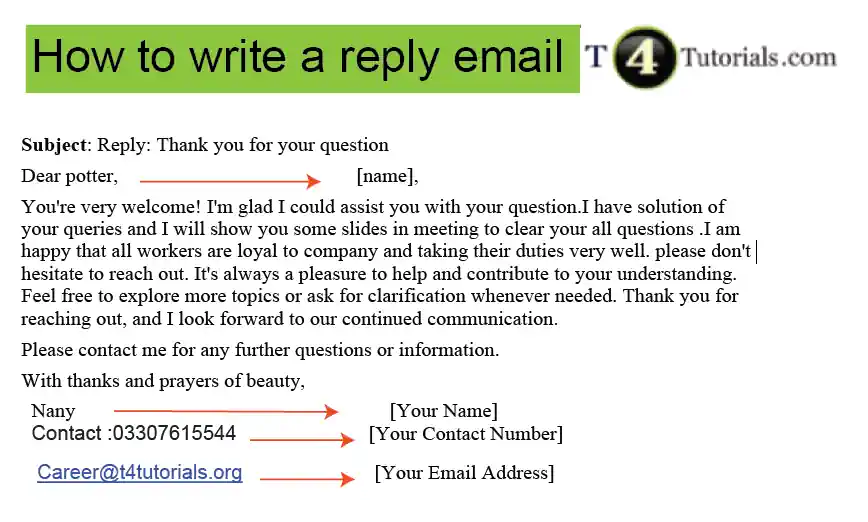
Whether it’s a simple inquiry from a colleague or a more complex request from a client, how you respond matters. People want to feel heard and valued. Your reply can either reinforce their confidence in you or leave them uncertain and frustrated. Knowing how to handle these interactions goes a long way in establishing trust.
In a fast-paced world where miscommunications can easily arise, honing your reply skills is essential. A thoughtful email response not only clarifies your points but also builds bridges in your communication. Everyone benefits when your replies are concise yet comprehensive.
Core Elements in Email Replies
Responding to questions in emails needs a thoughtful approach to ensure clarity and maintain professionalism. Below are the essential components to consider:
- Clear Subject Line: Maintain the existing subject line unless the topic has shifted significantly. This aids in context and organization.
- Greeting: Always start with a polite greeting. Use the recipient's name to personalize the response, setting a friendly tone.
- Acknowledge the Question: Begin by acknowledging the question posed. This demonstrates that you've read and understood their inquiry.
- Direct Answer: Provide a straightforward answer. Break your response into bite-sized pieces if the question has several parts, ensuring readability.
- Provide Context: If necessary, include additional information or context to enhance understanding. This can include related resources or background information.
- Action Items: Clearly indicate any next steps or actions required from the recipient's end, if applicable. This prevents any ambiguity about what’s expected.
- Closing Line: Conclude with a friendly closing remark. Invite further questions to keep the dialogue open.
- Signature: Ensure your email signature contains your name, position, and relevant contact information for easy reference.
Common Structures for Email Replies
User responses often follow common structures that promote clarity. Below is a summary of effective formatting styles:
| Structure | Description |
|---|---|
| Q&A Format | List the original question and follow it with your answer. This keeps the information coherent and user-friendly. |
| Bulleted Lists | Break down complex responses into bullet points. This helps the reader absorb information quickly. |
| Numbered Lists | Use numbered lists for instructions or steps. This establishes a clear sequence for actions the recipient may need to take. |
Common Mistakes to Avoid
While responding to emails, here are pitfalls to watch for:
- Ignoring Questions: Failing to address all parts of the inquiry can lead to confusion and frustration.
- Being Too Vague: General responses without sufficient detail can leave recipients with more questions.
- Overuse of Jargon: Avoid using overly technical language if your recipient may not be familiar with specific terminology.
- Neglecting Politeness: Always maintain a courteous tone, even if the inquiry is frustrating or repetitive.
For those looking to enhance email management further, consider exploring automatic email forwarding in Outlook for streamlined communication.
Real-World Examples of Replying to Questions in Emails
Using Clear Subject Lines
When replying to a question in an email, start by ensuring your subject line is clear and concise, such as "RE: Inquiry About Project Deadline." This helps the recipient easily identify the topic of your response.
Why this matters: Highlighting clarity in subject lines improves email organization and enables the recipient to locate conversations quickly.
Addressing the Sender by Name
Begin your reply with a personalized greeting, such as “Hi John,” rather than a generic opening. This encourages a more personal connection and shows respect.
Why this matters: Building rapport through personalization fosters better communication and enhances professional relationships.
Stating the Original Question
In your reply, reiterate the original question to ensure clarity. For instance, “Regarding your question about the project timeline, here’s what I can share.”
Why this matters: Providing context in your response minimizes misunderstandings and makes it easier for the recipient to follow the conversation.
Providing Detailed Answers
Respond comprehensively to the question. If someone asks about the budget of a project, supply relevant figures and breakdowns to provide thorough information.
Why this matters: Offering detailed responses ensures all aspects of the question are addressed, which can prevent follow-up questions and streamline discussions.
Including Action Items
At the end of your reply, outline any necessary action items. For example, “Please review the attached document by Friday and let me know your thoughts.”
Why this matters: Stating action items clarifies expectations and deadlines, making it easier for the recipient to understand their next steps.
Using Professional Language
Maintain a professional tone while replying, even in casual settings. Avoid slang and maintain clarity to reflect professionalism.
Why this matters: Asserting professionalism in language sets a positive tone for future correspondence and establishes credibility.
Expressing Appreciation
At the close of your reply, thank the sender for their question. A simple note like, “Thank you for reaching out,” can enhance the tone of your interaction.
Why this matters: Showing gratitude encourages open communication and reinforces a positive working relationship.
Responding to Questions in Emails
How should I start my reply to a question in an email?
Begin with a friendly greeting that acknowledges the sender, such as "Hi [Name]," or "Hello [Name]." This sets a positive tone and shows that you value their inquiry.
What is the best way to structure my response?
A clear structure helps maintain focus. Start by addressing the question directly, then provide any necessary details or context before concluding with a closing remark or invitation for further questions.
How do I handle multiple questions in one email?
List each question separately in your reply, responding directly beneath each one. This makes it easier for the sender to follow along and ensures that you address everything they asked.
Is it important to be concise in my responses?
Yes, being concise helps keep the reader engaged and conveys your points effectively. Avoid unnecessary jargon and stick to the essential information to maintain clarity.
Answering questions in an email shouldn’t feel like a daunting task. The most important thing to remember is to be clear and personable—people appreciate authenticity. Whether you’re communicating with a colleague, a client, or a friend, taking a moment to acknowledge their question and respond thoughtfully can really elevate the exchange. So, next time you hit that reply button, channel your inner conversationalist and let your genuine voice shine through. You’ve got this!