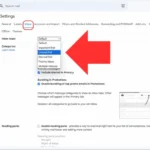
Want to stop missing important emails while juggling multiple projects or inboxes? You're not alone. Setting up automatic email forwarding in Outlook can save you precious time and mental energy, making sure you stay on top of everything without the hassle of constantly checking different accounts.

This feature not only helps streamline communication but also ensures you never miss crucial updates, whether you’re in a meeting, out of the office, or just focus on other tasks. Understanding how to manage your emails can genuinely enhance your productivity.
Core Concepts for Automatic Email Forwarding in Outlook
Automatically forwarding emails in Outlook can save time and streamline communication. The process involves configuring settings that ensure messages arriving in your inbox are sent to another email address without manual intervention. Below are the essential components of this functionality.
| Step | Description |
|---|---|
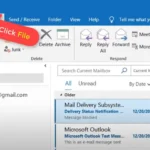
| Access Settings | Open Outlook and go to the File tab in the upper left corner. Select Manage Rules & Alerts. |
| Create a New Rule | Click New Rule. Choose Apply rule on messages I receive and click Next. |
| Select Conditions | Decide if you want to forward all incoming emails or only those meeting specific criteria. Check the appropriate boxes and click Next. |
| Set Forwarding Address | Select forward it to people or public group. Click the link in the bottom pane, then enter the email address where you want to forward messages. |
| Finalize the Rule | Review your settings and click Finish to create the rule. Don’t forget to enable it in the Rules and Alerts window. |
Here are some important considerations when setting up email forwarding:
- Mail Server Limitations: Be aware of any limits imposed by your email provider regarding the number of emails that can be forwarded, as exceeding these may prevent forwarding from working.
- Security Concerns: Forwarding sensitive information may lead to security risks; ensure that the target email account is secure.
- Automatic Response Setup: If you set up forwarding, consider adding an automatic reply to inform senders of the new email address.
While automatic email forwarding is often a useful feature, it's wise to weigh its pros and cons:
| Pros | Cons |
|---|---|
| Increased efficiency in managing messages. | Risk of missing important emails if conditions aren’t set correctly. |
| Convenience for people using multiple email accounts. | Potential for overwhelming the receiving account if too many emails are forwarded. |
By understanding these core elements, you can set up automatic email forwarding in Outlook with ease and confidence.
Real-World Examples of Automatically Forwarding Emails in Outlook
Streamlining Communication for Remote Teams
Automatically forwarding emails from a project manager to the entire remote team ensures that everyone is on the same page regarding updates, deadlines, and changes to priorities.
Why this matters: Ensuring seamless communication fosters collaboration and prevents information silos among team members.
Managing Client Inquiries Efficiently
Forwarding client emails to specific team members based on subject lines or keywords helps in allocating inquiries promptly to the right person, improving turnaround time for responses.
Why this matters: Addressing client needs swiftly boosts satisfaction and can lead to stronger client relationships.
Organizing Email Management for Multiple Accounts
Setting up automatic forwarding from a secondary email account to a primary Outlook inbox allows users to manage communications from various sources without switching between accounts.
Why this matters: Simplifying email management enhances efficiency and prevents important messages from being overlooked.
Creating Notifications for Specific Projects
Creating rules that forward emails containing certain keywords related to a specific project helps stakeholders receive notifications without manually checking their inboxes.
Why this matters: Remaining informed on essential projects allows for timely decision-making and action.
Enhancing Customer Support Systems
Automatically redirecting support emails to a dedicated team inbox ensures that all customer requests are captured and handled by the right staff members.
Why this matters: Improving response times in customer support can significantly enhance the overall customer experience.
Facilitating Vacation or Absence Notifications
Setting automatic forwarding of emails to a backup colleague during absences guarantees continuity in communication and service.
Why this matters: Maintaining ongoing communication even when team members are away helps ensure that no inquiries fall through the cracks.
Monitoring Project Updates for Stakeholders
Forwarding project-related emails to stakeholders keeps them informed on progress and challenges without requiring them to be directly involved in day-to-day communications.
Why this matters: Keeping stakeholders informed promotes transparency and builds trust within the organization.
Exploring Automatic Email Forwarding in Outlook
How do I set up automatic email forwarding in Outlook?
To set up automatic forwarding, open Outlook, go to the "File" menu, and select "Options." Under "Mail," find "Rules and Alerts," then create a new rule for incoming messages. In the rule settings, choose to forward emails to the desired address and save your changes.
Can I customize which emails are forwarded in Outlook?
Yes, customizing forwarding options is quite straightforward. While creating your rule, you can specify conditions such as sender or keywords in the subject line, so only certain emails get forwarded, allowing for more targeted management.
Will forwarding emails affect my inbox storage in Outlook?
No, forwarding emails does not directly affect your Outlook inbox storage. The original emails remain in your inbox unless you choose to delete them after forwarding. However, keep in mind that forwarded emails do take up space in the recipient's mailbox.
Is automatic forwarding available on both Outlook desktop and web versions?
Yes, automatic forwarding is available on both the desktop and web versions of Outlook. The steps differ slightly, but both platforms allow you to set up rules to automatically forward your emails without much hassle.
Setting up automatic email forwarding in Outlook can be a game changer for keeping your inbox organized and ensuring you don't miss important messages. By taking a few moments to customize your settings, you can stay on top of your correspondence without constantly monitoring your inbox. So, go ahead and give it a shot; you might just find your email experience a lot smoother. Happy forwarding!