Exporting emails from Outlook can feel daunting, especially if you have years of correspondence piled up. You might be looking to back up important messages, transfer them to a new platform, or simply declutter your inbox. Whatever your reason, knowing how to do this efficiently is crucial to keep your digital life organized.

This task is about more than just moving data; it’s about ensuring you can access those essential conversations whenever you need them. Whether you're gearing up for a job change or just want a fresh start, exporting your emails lets you take control of your information.
If you've ever felt lost in the menus or uncertain about the right format to choose, you're not alone. Many users struggle with these details. But once you grasp the basic steps, it’s a straightforward process that gets easier every time you do it.
Getting your emails out of Outlook doesn’t have to be a chore. Let’s break it down so you can get back to what matters most—whether that’s focusing on work or enjoying your downtime without the clutter.
Essential Elements of Exporting Emails from Outlook
Exporting emails from Outlook can streamline how you manage your communications and data storage. Understanding the steps involved is crucial for an efficient process. Here’s a detailed outline that simplifies the nuances of this operation.
Core Concepts
Before you proceed, grasp the fundamental aspects involved in exporting emails:
- Export File Format: Outlook typically exports emails in the PST (Personal Storage Table) format. This format retains all your folders, attachments, and email structure.
- Destination: Identify where you want to save your exported file—this could be on your local drive or an external storage device.
- Selection Criteria: Decide if you want to export all emails or just specific folders. This helps target what’s essential.
Steps to Export Emails
The following steps outline how to export your emails seamlessly:
- Open Outlook: Launch your Outlook application.
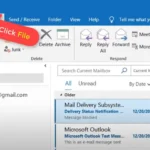
- Access the File Menu: Click on 'File' in the top left corner.
- Select Open & Export: Look for this option in the sidebar. Click on it to unveil further choices.
- Click on Import/Export: This option lets you start the export process.
- Choose Export to a File: From the wizard, select ‘Export to a file’ and click ‘Next’.
- Select Outlook Data File (.pst): This choice allows for exporting emails in PST format.
- Select Folders: Pick the email folder(s) you want to export. You can check the box for ‘Include subfolders’ if applicable.
- Choose Destination: Click ‘Browse’ to select where to save the file. Name your file accordingly.
- Finish Export: Finally, click ‘Finish’ and optionally set a password for the PST file.
Things to Consider
When exporting, keep these points in mind:
- Backup Tasks: Ensure you have a current backup of your important data before starting this operation.
- PST File Size: Outlook has a limit on PST file sizes, which varies by version. Large files might cause issues.
- Compatibility: Ensure that the version of the Outlook application you are using is compatible with the file format you choose.
Exporting vs. Archiving
It’s helpful to understand the difference between exporting and archiving:
| Feature | Exporting | Archiving |
|---|---|---|
| Purpose | To back up or transfer emails | To free space in the inbox |
| File Format | PST file | Archived PST or online |
| Folder Structure | Maintained | Usually maintained but can differ |
For those looking to improve efficiency in Outlook, understanding how to schedule emails might also be beneficial. Learn more about it here.
Real-World Examples of Exporting Emails from Outlook
Consolidating Email Data for Backup
Exporting emails from Outlook allows users to create a backup of their important communications. This can be done by utilizing the "Import and Export" feature to save emails as a .pst file.
Why this matters: Storing all email data in a single file ensures that critical information is preserved, preventing data loss in case of a system failure.
Migrating to a New Email Client
When transitioning to another email client, exporting emails from Outlook becomes necessary. This is typically done by exporting emails into formats compatible with other software, such as .eml or .mbox.
Why this matters: Allowing for seamless migration between email platforms, facilitating continuity in communication without losing historical data.
Archiving Old Emails
Users can export emails to create archives that ease the burden on their current inbox. By saving these archives as .pst files, users can reclaim storage space in Outlook.
Why this matters: Reducing inbox clutter helps improve focus, enabling users to manage their current communications more effectively.
Facilitating Team Collaboration
Exporting emails can support teamwork by allowing users to share important discussions and threads with colleagues. Team members can import the .pst file into their own Outlook accounts.
Why this matters: Promoting collaboration enhances project development, making relevant information accessible to all stakeholders involved.
Analyzing Communication Patterns
Exporting emails can enable users to analyze communication trends over time. By saving emails in a readable format, users can review conversation frequencies and types.
Why this matters: Understanding communication patterns assists individuals or teams in improving their responsiveness and engagement strategies.
Creating Compliance Records
In regulated industries, exporting emails is crucial for maintaining compliance records. Organizations can export emails to meet legal or audit requirements efficiently.
Why this matters: Fulfilling compliance obligations protects organizations from legal repercussions and enhances accountability.
Organizing Personal Correspondence
Individuals can benefit by exporting important personal emails for better organization. By saving these emails, users can categorize correspondence without cluttering their primary inbox.
Why this matters: Enhancing personal organization allows users to find important emails quickly, streamlining access to significant communications.
Exporting Emails from Outlook: Your Questions Answered
How do I export emails from Outlook to a CSV file?
To export emails to a CSV file, open Outlook and go to the "File" menu. Select "Open & Export," then choose "Import/Export." Follow the prompts to export your data, selecting "Comma Separated Values" as the file type when prompted.
Is it possible to export emails from Outlook to PDF format?
Directly exporting emails to PDF isn't a built-in option. However, you can print an email and choose "Microsoft Print to PDF" as your printer. This effectively converts the email into a PDF document.
What should I do if my export process is interrupted or fails?
If the export process fails, ensure that you have sufficient storage space and try restarting Outlook. Sometimes, running Outlook as an administrator can resolve permission issues that may interrupt the process.
Can I schedule exports of my emails in Outlook for regular back-ups?
Outlook doesn't have a native feature for scheduling exports, but you can automate this through scripting or third-party tools. Look for options that allow you to schedule tasks, which can then run your export at regular intervals.
Exporting emails from Outlook doesn’t have to be a daunting task. By following the straightforward steps we discussed, you can ensure that your important conversations are saved and organized, making it easier to access them later. The real benefit lies in having all your vital information at your fingertips when you need it. So, don’t put it off—give it a shot today! And if you’re looking to up your email game even further, you might want to explore how to schedule emails in Outlook for better communication. Happy organizing!