So, you're sitting there, waiting for an important email that never seems to arrive. We’ve all been there, and it can be incredibly frustrating when Gmail suddenly stops delivering your messages. Understanding why this happens is crucial, especially when the stakes are high—whether it’s a job offer or a critical family update. No one likes to miss out on important moments or opportunities.

Let’s explore the common reasons behind this issue and how to troubleshoot. It’s not just about fixing a glitch; it’s about regaining control over your inbox and ensuring you don’t miss what matters most.
Core Aspects of Gmail Email Reception Issues
Discovering that your Gmail isn't receiving emails can be frustrating. Understanding the common reasons behind this issue can save you time and enhance your email management. Here’s what to check.
- Spam Filters: Sometimes legitimate emails end up in the Spam folder. Regularly check this folder to ensure important messages aren't misplaced.
- Storage Limits: Gmail offers 15 GB of free storage shared across Google services. Exceeding this limit can prevent new emails from coming in. Review your storage usage in your Google Drive or Gmail settings.
- Email Forwarding: If you've set up forwarding to another email address, confirm the settings are correct. Forwarding could unintentionally redirect all your emails away from your Gmail account.
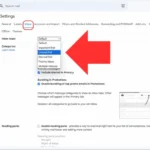
- Account Configuration: Settings like filters and blocked addresses might interfere with email reception. Access your Gmail settings to inspect any filters that could be impacting your inbox.
- Network Issues: Sometimes the problem lies with the internet connection. Ensure you have a stable connection to receive emails properly.
- Server Problems: Email servers undergo occasional outages. Check online forums or Gmail's status page to verify if there’s a known issue.
- Recent Changes: Did you recently change your account password or enable two-factor authentication? Such changes can impact your account’s ability to fetch emails from other clients.
Here's a quick table summarizing the key factors to consider:
| Issue | Description |
|---|---|
| Spam Filters | Legitimate emails may be marked as spam. |
| Storage Limits | Exceeding your storage could block incoming emails. |
| Email Forwarding | Incorrect forwarding settings might redirect your emails. |
| Account Configuration | Filters or blocked addresses may prevent emails from reaching your inbox. |
| Network Issues | An unstable internet connection can cause problems. |
| Server Problems | Outages on Gmail’s servers can delay or halt email delivery. |
| Recent Changes | Account configuration changes may inadvertently affect email reception. |
Addressing these aspects can significantly improve your Gmail functionality. Consistently monitoring these areas will keep your email communications uninterrupted.
Understanding Why Gmail May Not Receive Emails
Checking Spam and Junk Folders
Many legitimate emails can mistakenly end up in the Spam or Junk folder. Users often miss crucial messages because they don't regularly check these folders.
Why this matters: Highlighting the importance of reviewing Spam and Junk folders can prevent missed communications.
Reviewing Storage Limits
Gmail accounts have a storage limit; exceeding this limit can hinder receipt of new emails. Users should frequently monitor their storage usage to avoid interruptions.
Why this matters: Stating the need to manage storage helps ensure users do not miss any incoming messages due to full inboxes.
Inspecting Email Filters and Forwarding Settings
Incorrectly configured filters or forwarding rules may direct emails away from the inbox. Users should examine these settings thoroughly to ensure they are not unintentionally redirecting communications.
Why this matters: By keeping an eye on filters and forwarding options, users can ensure important emails reach the intended destination.
Verifying Account Forwarding to Another Email
Some users set up forwarding to another email address, which can lead to confusion if not managed properly. Verifying these settings can clarify where emails are being sent.
Why this matters: Asking whether emails are forwarding correctly can streamline email management and ensure crucial conversations are not lost.
Checking for Service Outages
Occasionally, Gmail may experience service outages that affect email delivery. Users can check Google's service status to confirm if it’s a widespread issue.
Why this matters: Providing awareness about potential outages enables users to distinguish between account issues and external service failures.
Reviewing Notification Settings
Sometimes, users may have turned off notifications, leading to a perception that no new emails are arriving. Regularly checking these settings is essential for awareness.
Why this matters: Emphasizing the need to review notification settings fosters timely responses to incoming messages.
Examining Browser Issues
Browser compatibility problems can occasionally affect Gmail functionality, including the receipt of new emails. Using a different browser or clearing cache may resolve this issue.
Why this matters: Highlighting browser-related factors encourages users to troubleshoot effectively and maintain seamless communication.
Understanding Email Delivery Issues in Gmail
Why aren’t I receiving emails in my Gmail account?
There could be several reasons your Gmail isn't receiving emails. Check if your inbox is full, as exceeding your storage limit can block new messages. Also, ensure that the emails aren't landing in your spam or promotions folder; they may have been misclassified.
Could my email settings prevent incoming messages?
Absolutely, certain settings can affect email delivery. Verify your filters to ensure none are inadvertently blocking or deleting incoming emails. Additionally, review your forwarding settings—emails could be sent to another address without your realization.
Is there a possibility that my account has been compromised?
Yes, a compromised account might result in missing emails. If you suspect this, immediately change your password and check the recent activity section for any unusual logins. Enabling two-factor authentication can enhance your account security going forward.
What should I do if my Gmail still isn’t receiving emails after checking these issues?
If none of the above resonates, try logging out and back in, or clear your browser cache. Sometimes, a simple refresh can resolve underlying issues. If the problem persists, consider reaching out to Google Support for more targeted assistance.
It’s super frustrating when emails just don’t show up in your inbox, but now you have a handful of troubleshooting steps to get yourself back on track. Whether it’s adjusting your settings, clearing out some space, or checking your spam folder, you’ve got the tools to figure it out. Don’t hesitate to explore other articles, like how to manage your Outlook emails, as you navigate your email woes. Just remember, a little perseverance goes a long way—take a moment to tackle those settings, and you’ll be back to smooth sailing in no time!