Getting a job interview is exciting, but responding to that interview email can feel daunting. It’s often your first chance to make a lasting impression on a potential employer, and a well-crafted reply can set the tone for what comes next. 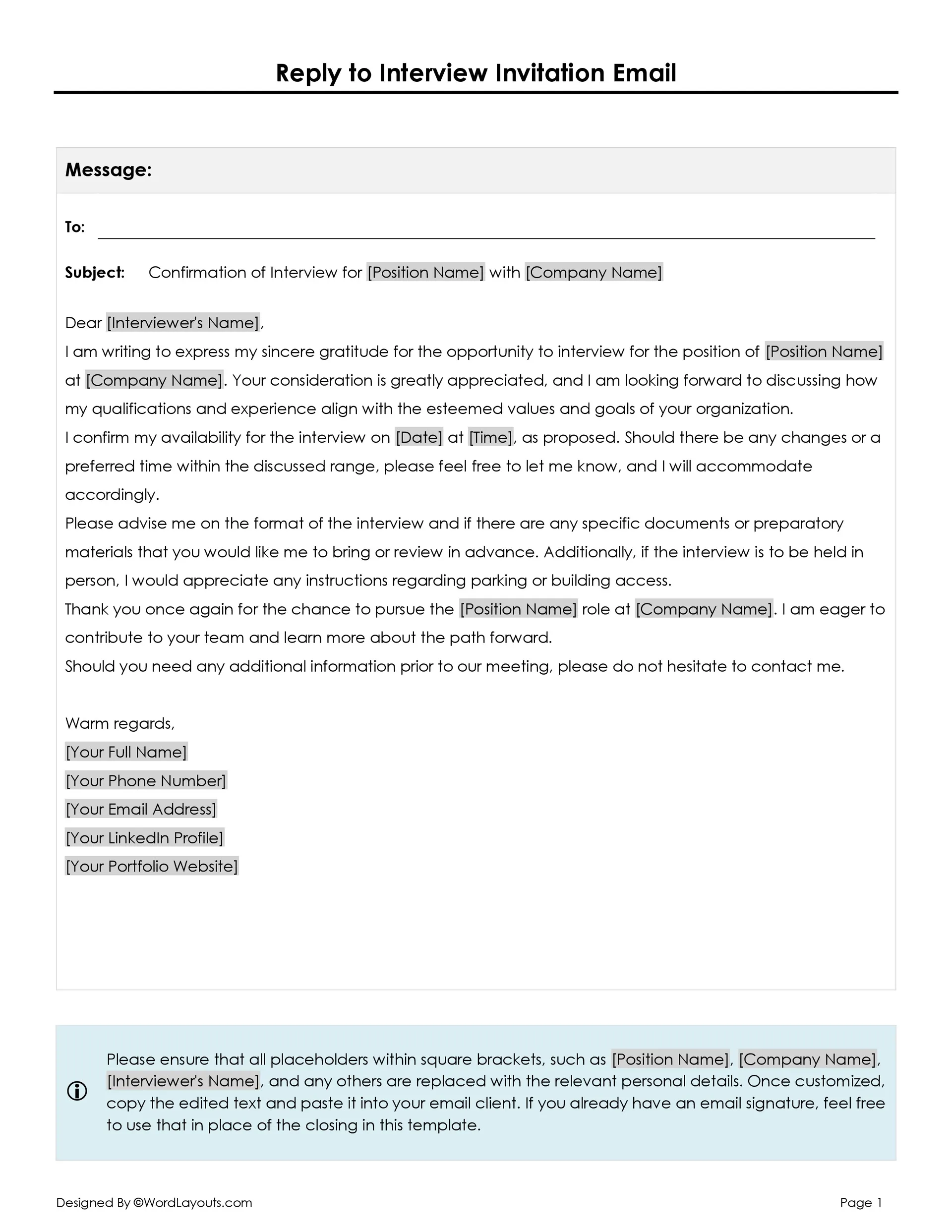
Many candidates underestimate this step, but a thoughtful response can highlight your professionalism and enthusiasm for the role. In this moment, you’re not just confirming your availability; you’re reinforcing your brand as a candidate who values communication and respect.
Imagine receiving an email that requires a prompt and polished reply. A good response helps you stand out in a competitive job market, showcasing not just your skills but also your demeanor. Your reply is a reflection of who you are—make it count.
Core Components of Replying to an Interview Email
Responding to an interview email is an important step in the hiring process. A well-structured reply shows professionalism and enthusiasm for the job. Here are the essential elements to consider when crafting your response.
- Subject Line: Keep it concise, informative, and relevant. If the original email has a subject, maintain it for continuity (e.g., "Re: Interview Invitation").
- Greeting: Address the sender politely. Use their first name if you've established familiarity or "Dear [Title] [Last Name]" for formality.
- Thank You: Express gratitude for the opportunity. A simple acknowledgment shows appreciation and politeness.
- Confirmation or Clarification: Confirm your availability for the proposed date and time. If there are conflicts, suggest alternatives. Clarity ensures everyone is on the same page.
- Express Enthusiasm: Briefly share your excitement about the opportunity. This helps convey your genuine interest in the role and the company.
- Closing: End with a polite closing, reiterating thanks. Common options include "Best regards" or "Sincerely." Follow this with your full name and contact information.
| Common Mistakes | Consequences |
|---|---|
| Ignoring the email or responding too late | May reflect disinterest, causing you to miss the opportunity. |
| Using informal language | Can come off as unprofessional and disrespectful. |
| Not checking for typos | Errors can undermine your credibility and attention to detail. |
| Overly verbose responses | Can dilute your message, making it hard to read and understand. |
Adhering to these components can significantly enhance your communication during this critical phase of the hiring process. For those working with email platforms like Outlook, understanding how to manage your inbox effectively can further streamline your experience. Check out the article on forwarding emails on Outlook for more insights.
Practical Examples for Replying to an Interview Email
Expressing Gratitude for the Opportunity
Starting your response by thanking the interviewer for the opportunity shows appreciation and sets a positive tone for your reply.
Why this matters: Stating gratitude strengthens your professional rapport, creating a warm connection even before the interview begins.
Confirming the Interview Details
Clearly reiterating the date, time, and location of the interview ensures both parties are aligned and reduces chances of miscommunication.
Why this matters: Providing confirmation minimizes confusion and reflects your organizational skills, making a strong impression on the interviewer.
Asking for Clarifications
If there are aspects of the interview that are unclear, such as the format or who you'll be meeting with, don't hesitate to ask for further details.
Why this matters: Highlighting a proactive approach demonstrates your commitment to being prepared, which can impress the hiring team.
Indicating Availability
Clearly stating your availability for the interview allows for smoother scheduling and shows your eagerness to participate.
Why this matters: By keeping your calendar open, you're facilitating the scheduling process, showcasing your flexibility and genuine interest.
Reiterating Your Interest
Reaffirming your enthusiasm for the position strengthens the impression that you are genuinely interested and eager to contribute to the organization.
Why this matters: Highlighting your interest boosts your candidacy, as hiring managers value candidates who show passion for the role.
Maintaining Professional Tone
Ensuring your language is formal and respectful throughout the correspondence reflects your professionalism and attention to detail.
Why this matters: By keeping a professional tone, you reinforce your candidacy as a serious applicant who understands workplace norms.
Ending with a Strong Closing
Concluding your email with phrases like “Looking forward to our conversation” leaves a positive final impression and indicates your eagerness.
Why this matters: Providing a strong closing statement makes your email memorable, paving the way for a successful interview experience.
Responding to Interview Emails: What You Need to Know
How quickly should I reply to an interview email?
Generally, a response within 24 to 48 hours is considered prompt. This shows your enthusiasm and professionalism. If you need more time to consider your availability, it's perfectly okay to mention that in your reply while still expressing gratitude.
What should I include in my reply to confirm an interview?
Your reply should include your acknowledgment of the interview details, your availability, and any questions you might have about the process. Also, don’t forget to express appreciation for the opportunity.
How can I address scheduling conflicts in my reply?
If you have a scheduling conflict, clearly state your availability while apologizing for any inconvenience. It's important to be polite and flexible, suggesting alternative times that work for you.
What if I want to ask about the interview logistics in my reply?
It’s perfectly acceptable to inquire about logistics such as the interview format, the names of participants, or any specific topics to prepare for. This demonstrates your preparation and interest in the role.
When responding to an interview email, the most important thing is to be genuine while showing enthusiasm for the opportunity. It’s your moment to shine, so let your personality reflect your excitement and professionalism. Remember, a well-thought-out reply not only sets the tone for your future interactions but also gives you a chance to reinforce why you’re a great fit for the position. So, take a deep breath, tap into your authentic self, and hit that reply button with confidence. You've got this!