Need to scan and email a document but unsure where to start? You’re not alone. Many people face this challenge, whether it’s for work, school, or personal reasons. Knowing where to find reliable scanning options can save you time and hassle.

In a world that's increasingly paperless, having the ability to scan documents and send them via email is essential. Whether you're handling official paperwork or simply want to share a handwritten note, knowing how to seamlessly combine these tasks can make your life a lot easier.
From local libraries to office supply stores, there are plenty of places that can help you get your documents scanned and sent off. Plus, with the right apps on your smartphone, you can even do it all from the comfort of your couch.
If you're looking for step-by-step instructions on how to scan documents for easy sharing, check out this resource: How Do You Scan A Document To Email For Easy Sharing.
Core Elements for Scanning and Emailing Documents
Locating a suitable place to scan and email documents involves several elements that contribute to a seamless experience. Here’s what you need to consider:
- Access to Scanners: Look for locations equipped with high-quality scanners. Libraries, office supply stores, and copy shops are common options.
- Internet Availability: Ensure that there is stable internet access at the location for emailing documents after scanning.
- Software Options: Some places offer software that integrates scanning with emailing directly, which can speed up the process.
- Privacy Measures: Consider locations that guarantee the confidentiality of your documents, especially if they contain sensitive information.
- Cost Factors: Check if the scanning service is free or if there are fees involved. Some libraries provide free services for local residents.
Checklist for Scanning and Emailing Documents
- Identify the Document: Know which document you need to scan and have it ready.
- Select a Location: Choose a convenient place based on the criteria mentioned earlier.
- Prepare the Scanner: Ensure the scanner is functioning and set up correctly.
- Scan Your Document: Follow the prompts on the scanner to initiate scanning.
- Email Options: Decide how you want to send your scanned document. This could be through your email client or an integrated service.
Pros and Cons of Different Scanning Locations
| Location Type | Pros | Cons |
|---|---|---|
| Library | Free access, quiet environment | Limited hours, possible queues |
| Office Supply Store | Professional-grade equipment, often quick service | Potential costs involved |
| Copy Shops | Various services available, including printing | May require payment for services |
| Home | Convenience, privacy | Requires a scanner and computer, possible technical issues |
To explore how to scan a document for email, check out our detailed article on scanning documents to email for easy sharing.
Practical Applications for Scanning and Emailing Documents
Utilizing Mobile Apps for Document Scanning
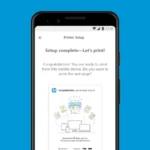
Leverage mobile applications such as Adobe Scan or Microsoft Office Lens to scan documents directly using your smartphone's camera. These apps often include features like automatic edge detection and document enhancement.
Why this matters: Highlighting the convenience of mobile apps allows users to scan documents from anywhere, minimizing the need for a traditional scanner and enabling instant sharing.
Integrating Scanning with Cloud Storage Services
Use cloud services such as Google Drive or Dropbox to save scanned documents immediately after capturing them. This integration ensures that documents can be easily shared via email or accessed from different devices.
Why this matters: Providing cloud integration simplifies storage and retrieval, allowing users to access critical documents from any location, facilitating collaboration and efficient workflow.
Employing Multifunction Printers for Quick Scans
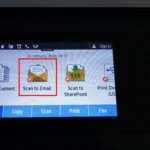
Employ multifunction printers (MFPs) that offer scanning capabilities to quickly digitize documents and send them directly to email addresses right from the printer's interface.
Why this matters: Stating the efficiency of MFPs enhances office productivity, allowing users to handle multiple tasks—scanning, copying, and printing—without the need for different devices.
Utilizing Scanned PDFs for Legal Documentation
Use document scanning to create PDF files for legal documents, ensuring they can be emailed and stored digitally with high fidelity and compliance with legal standards.
Why this matters: Highlighting the importance of high-quality digital reproduction for legal documents ensures that critical information remains accurate and accessible, meeting legal requirements.
Creating Digital Archives with Scanning Services
Seek professional scanning services to digitize large volumes of documents, allowing for easy emailing and long-term storage without losing physical copies.
Why this matters: By keeping a digital archive, organizations can save space and improve document organization, making it easier to retrieve important files whenever necessary.
Enhancing Collaboration with Scanned Documents
Share scanned documents via email in collaborative work environments where quick access to contracts or reports is crucial for timely decision-making.
Why this matters: Asking how collaboration benefits from instant access underscores the value of sharing crucial documents efficiently, helping teams make informed decisions faster.
Facilitating Remote Work with Scanning Technology
Implement scanning and emailing practices in remote work settings, allowing employees to send signed documents and forms directly from their home office.
Why this matters: Providing solutions for remote work setups enables businesses to maintain seamless operations, ensuring that essential documents are processed without delays.
Your Questions About Scanning and Emailing Documents Answered
Where can I find a public place to scan and email documents?
Public libraries often have scanning services available for patrons. Additionally, many copy and print stores, like FedEx or UPS stores, provide scanning facilities. Always check their hours and any associated fees before heading out.
What scanner options do I have for emailing documents from home?
There are numerous affordable multi-functional printers that include scanning capabilities. Many of these models also allow you to send scanned documents directly to email, simplifying the process. Don’t forget to check for models with Wi-Fi capability for easier connectivity.
Can I scan documents using my smartphone?
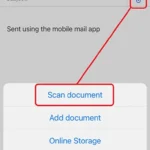
Absolutely! Many smartphone apps, such as Adobe Scan or CamScanner, allow you to capture documents and convert them to PDF. Most apps also offer a direct email feature, letting you send the scanned documents immediately.
What should I do if my scanned file is too large to email?
If the file size exceeds email limits, consider compressing the document using online tools like Smallpdf or PDF Compressor. Alternatively, you can use cloud storage services to upload the file and share a link instead.
Understanding where to scan and email documents can simplify your life, especially when you're on the go or juggling a busy schedule. With so many options available—from local libraries and FedEx stores to mobile apps on your phone—you can choose what fits your needs best. Remember, the right tool can save you time and hassle, making document sharing a breeze. So go ahead, find your nearest location or download an app, and start eliminating paper clutter. You've got this!