Need to send important documents but don’t have time to visit the post office? Scanning documents to email is the quick, efficient solution you’ve been searching for. Whether it’s a signed contract, a school assignment, or an invoice, knowing how to do this can save you a lot of hassle and keep you organized.
With just a few simple steps, you can turn physical papers into digital files, making it easy to share them anytime, anywhere. It’s practical for home, work, or even when you're on the go. Plus, you’ll have a digital record that’s easy to store and retrieve later.
Diving into the details, let’s make sure you have all the tools you need and understand each step of the process. From selecting the right scanner to emailing your files, we’ve got you covered. If you want to make sure your scanned documents look clear and professional, check out our article on how to scan and email documents for optimal clarity.
Essential Components for Document Scanning to Email
Scanning documents and sending them via email can streamline communication and improve workflow. Understanding the core elements involved in this process is crucial for producing clear, professional-looking digital files.
Core Steps to Scan Documents
- Prepare Your Document: Ensure the paper is clean and free of tears. Remove any staples or paperclips that might interfere with the scan.
- Choose Your Scanner: Identify whether you will use a flatbed scanner, multi-function printer, or a mobile app. Each has different capabilities.
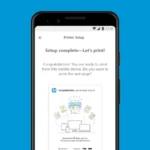
- Set Up the Scanner: Connect your scanner to your computer or mobile device. Install necessary drivers or apps if needed.
- Select Scan Settings: Adjust resolution, color, and file format settings. For documents, a resolution of 300 DPI is usually sufficient.
- Scan the Document: Proceed to scan. Preview the scan to check for quality before finalizing.
- Save the File: Choose an appropriate file name and destination. Save the document in a common format such as PDF or JPEG.
- Email the Document: Open your email client, attach the scanned file, and compose your message. Be sure to double-check the recipient's address.
Pros and Cons of Scanning Documents
| Advantages | Disadvantages |
|---|---|
| Increased efficiency in sharing information | Potential for file size limits on email attachments |
| Easily archive important documents | Quality issues if settings are not adjusted properly |
| Environmentally friendly by reducing paper usage | Learning curve for unfamiliar technology |
| Convenience of mobile scanning options | Dependency on technology, which can be unreliable |
Common File Formats and Their Uses
- PDF: The most widely used format for documents due to its compatibility and professional appearance.
- JPEG: Commonly used for images, but can also be used for documents with visuals.
- TIFF: High-quality format often used in professional settings where image fidelity is essential.
- PNG: Ideal for images with transparency; not commonly used for standard document scans.
For further information on scanning and emailing documents with clarity, visit the article on optimal clarity.
Practical Use Cases for Scanning Documents to Email
Document Management for Businesses
Utilizing scanners to digitize important contracts, invoices, and reports allows businesses to streamline record-keeping and enhance accessibility through email distribution.
Why this matters: Improving organization and retrieval speeds up workflows, facilitating easier collaboration among team members.
Educational Assignments Submission
Students can scan their handwritten or printed assignments and email them to instructors, ensuring timely submissions without the need for physical delivery.
Why this matters: Allowing students to submit work digitally increases flexibility and helps maintain deadlines, especially during remote learning situations.
Healthcare Records Sharing
Healthcare professionals can scan patient forms and medical histories to securely email them to colleagues for consultations or referrals, ensuring that crucial data is shared promptly.
Why this matters: Enhancing communication among providers leads to better patient outcomes and more cohesive treatment strategies.
Legal Document Distribution
Law firms often scan deposition transcripts or legal briefs to email clients and opposing counsel, facilitating smoother transactions and negotiations.
Why this matters: Enabling quick access to vital documents helps to keep legal proceedings efficient and transparent.
Personal Documentation Preservation
Individuals can scan important documents such as birth certificates, tax records, and passports to email as backups, safeguarding against loss or damage.
Why this matters: Ensuring vital documents are preserved in digital form provides peace of mind and quick retrieval in emergencies.
Remote Work Collaboration
Remote workers scanning and emailing signed agreements or work reports enable seamless collaboration with team members who might be located in different parts of the globe.
Why this matters: Maintaining the flow of information keeps teams integrated and projects on track regardless of physical location.
Invoice Processing for Freelancers
Freelancers can scan their invoices and email them to clients for faster payment processing, increasing cash flow and maintaining professional relationships.
Why this matters: Accelerating the invoicing process contributes to steadier income streams, allowing freelancers to focus on their core work.
Document Scanning and Emailing Insights
What's the easiest way to scan a document and send it via email?
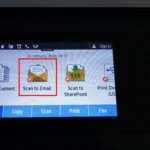
To scan a document, place it face down on your scanner, select the scan option on your printer's control panel, and choose the file format you prefer, like PDF or JPEG. Once the scan is complete, you can usually find the file in your designated folder. Simply open your email application, compose a new message, attach the scanned file, and hit send.
What if my scanner doesn't have an email feature?
If your scanner lacks built-in email capabilities, you can manually scan documents to your computer first. After scanning, locate the file on your computer, open your email client, and attach the scanned document from there. This method still allows for easy sharing without the need for additional software.
How can I ensure my scanned documents are clear and legible when emailed?
For maximum clarity, adjust the scanning resolution to at least 300 DPI. Ensure the document is clean and properly aligned in the scanner to avoid any distortion. Using formats like PDF often preserves the quality better than others, making the document more readable once emailed.
Are there apps available for scanning documents on my phone for email?
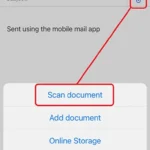
Yes, several reputable apps allow you to scan documents directly from your smartphone, such as Adobe Scan and CamScanner. These apps typically offer options to save in various formats, and you can easily share the scans via email right from the app interface.
Scanning documents to email doesn’t have to be a headache; it can be a smooth process that saves you time and keeps everything organized. By choosing the right scanner, adjusting the settings for clarity, and knowing how to attach those files seamlessly to your emails, you can make document handling a breeze. So, why not give it a try? Start scanning and emailing today, and experience the ease for yourself. Your inbox—and your future self—will thank you!