Need to scan a document and send it directly to your email? You’re not alone—many folks are looking for ways to simplify their workflow without getting bogged down by complicated processes. Scanning to email from an HP printer can save you time and effort, making it easier to stay organized and efficient in both your personal and professional life.

Whether you’re sending important paperwork, sharing a contract, or just need to keep a digital copy for yourself, knowing how to do this seamlessly can really boost your productivity. From setting up your printer to troubleshooting common issues, there’s a lot that can help you make the most of this feature.
If you want to enhance your scanning game, consider checking out our article on how to scan and email documents for optimal clarity. You'll find insights that can make the process even smoother.
Core Elements of Scanning to Email with HP Printers
Scanning to email from HP printers combines several components that ensure documents are captured accurately and sent efficiently. Here’s a breakdown of the main elements involved in the process:
- Printer Model: Different HP printer models may have distinct scanning capabilities. Ensure your model supports scanning to email functionality.
- Network Connectivity: Your printer must be connected to a reliable Wi-Fi or Ethernet network. A stable connection is essential for sending emails without interruptions.
- Email Configuration: Properly setting up the email account within the printer’s settings is crucial. This includes inputting the correct SMTP server details and authentication credentials.
- Scanning Quality: Selecting the right resolution and format for your scans ensures that the scanned documents are clear and legible.
Checklist for Scanning to Email
To simplify the scanning process, follow this checklist:
- Check Printer Specifications: Verify that your HP printer model supports scanning to email.
- Connect to Wi-Fi: Ensure your printer is connected to a stable network.
- Access Printer Settings: Use the printer’s control panel to navigate to the email settings.
- Enter Email Information: Input the SMTP server details, the email address, and other required fields.
- Select Scan Settings: Choose the desired resolution and format for your scan.
- Test the Setup: Perform a test scan to ensure everything is working correctly.
Pros and Cons of Scanning to Email
Understanding the advantages and disadvantages helps streamline decision-making when using the scanning feature.
| Pros | Cons |
|---|---|
| Convenience: Scan and send documents directly from the printer without needing a computer. | Complex Setup: Initial configuration can be intricate, especially for users unfamiliar with SMTP settings. |
| Time-Saving: Quickly send multiple documents to email recipients. | Network Issues: A weak network connection can cause delays in sending emails. |
| Quality Scans: High-quality scans can be achieved based on printer capabilities. | Limited Functionality: Some models may lack advanced scanning options like OCR. |
By keeping these elements and considerations in mind, you'll enhance your scanning and emailing experience with HP printers. For additional insights, see how to scan and email documents for optimal clarity.
Real-World Applications of Scanning to Email from HP Printers
Remote Work Document Management
Employees can scan essential documents directly from their HP printer to their email, facilitating seamless communication with remote teams. This process eliminates the need for physical paperwork and encourages digital organization.
Why this matters: Highlighting the shift to digital, this functionality supports remote work by streamlining the documentation process, thereby enhancing overall productivity.
Quick Sharing for Meetings
In a corporate environment, users can quickly scan presentation materials or reports and send them via email to colleagues right before meetings. This capability ensures that everyone has the latest information at their fingertips.
Why this matters: Providing timely access to documents fosters better discussions during meetings, promoting informed decision-making and collaboration.
Efficient Client Interactions
When dealing with clients, businesses can scan contracts or important documents and email them immediately. This feature is particularly useful for quick approvals and signatures, eliminating delays.
Why this matters: Asking for quick turnaround times enhances client satisfaction, demonstrating professionalism and responsiveness in service delivery.
School Document Submissions
Students and educators can scan assignments or important forms and email them directly to teachers or administration offices. This makes the submission process straightforward and paperless.
Why this matters: Stating the importance of efficiency in educational settings, this approach simplifies the submission process, making it easier for all parties involved to manage workflows.
Health Records Transmission
Medical offices can scan patient forms or prescriptions and send them via email to other healthcare providers or pharmacies, ensuring that patient information is timely and accurate.
Why this matters: Highlighting the importance of accurate communication in healthcare, this functionality supports better patient care by facilitating quick access to crucial information.
Document Storage and Backup
Users can scan important documents, such as tax forms or legal papers, to their email for easy backup and storage. This helps in reducing clutter and ensuring documents are easily retrievable.
Why this matters: By keeping digital records, individuals protect themselves against potential loss of physical documents, ensuring they always have access to vital information.
Event Registration and Feedback
Event organizers can scan registration forms and feedback sheets and email them to the respective departments for swift processing and analysis, making event management smoother.
Why this matters: Providing immediate access to feedback and registration data enhances event planning and follow-up, ensuring organizers can make informed decisions for future events.
Addressing Common Concerns About Scanning to Email from HP Printers
How do I set up my HP printer to scan directly to email?
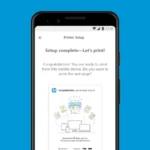
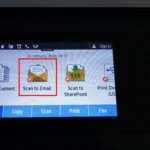
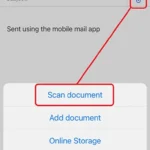
You’ll typically need to access the printer's settings through the control panel or an associated app. Ensure the printer is connected to your Wi-Fi network, then enter your email account details within the scanning settings for direct emailing. Some HP models may also require an update for full email functionality.
Why is my HP printer not sending scanned documents to my email?
This issue can arise due to a variety of factors, such as incorrect email settings or a poor internet connection. Check that your email address is entered correctly and ensure the printer is online. Restarting both the printer and your router may help to resolve this.
What file formats can I use when scanning to email from my HP printer?
Your HP printer usually supports common formats like PDF and JPEG. In the scanning settings, you can select your preferred format before sending the document via email. Always verify the settings if you're having trouble with file types during the sending process.
Can I scan multiple pages to email using my HP printer?
Most HP printers allow for multi-page scanning. You can place multiple pages in the automatic document feeder (ADF) and scan them all at once. Be sure to select the right settings for multi-page documents to ensure they are sent correctly.
Scanning to email from your HP printer is a convenient way to keep your workflow smooth and efficient—especially when time is of the essence. With just a few simple steps, you can send important documents directly from the printer without the hassle of transferring files to your computer first. So, why not give it a try? You might find that it’s a small change that makes a big difference in simplifying your everyday tasks. If you're curious about enhancing your scanning quality, check out how to scan and email documents for optimal clarity. Happy scanning!