Sending a Word document via email should be straightforward, but it can trip up even the most seasoned users. Whether you’re sharing a report with colleagues or sending a project to a client, knowing how to attach a document correctly makes a big difference. Missteps can lead to confusion, delays, or even missed deadlines.

Understanding the ins and outs of email attachments helps ensure smooth communication. You might think you know the basics, but little details can often change the game, especially with varying email clients.
Let’s break down the steps you need to swiftly and confidently share your Word documents, ensuring your messages come through loud and clear. With just a bit of know-how, you can avoid pitfalls and make sure your files reach their destination without a hitch.
If you're looking to boost your overall email communication skills, you might also find it helpful to explore how to attach emails in Gmail for a more streamlined approach.
Core Elements of Attaching a Word Document to Email
Attaching a Word document to an email seems straightforward, but several elements come into play to ensure it is done smoothly and correctly. Here’s a breakdown of the essential components involved in this process.
- Email Client: Different email services (like Gmail, Outlook, etc.) have unique interfaces. Familiarity with your specific client is beneficial.
- File Format: Ensure that your document is saved in a widely accepted format, such as .docx or .pdf, to guarantee compatibility.
- File Size: Be aware of attachment size limits imposed by your email provider. Generally, you can attach files up to 25 MB in size; larger files may require alternative sharing methods (e.g., cloud storage).
- Internet Connection: A stable connection is necessary to upload your attachment without interruptions.
- Recipient’s Compatibility: Consider whether the recipient has the appropriate software to open the document type you are sending.
Each of these elements plays a crucial role in a smooth attachment process.
Checklist for Attaching a Word Document
Here’s a simple checklist to follow when attaching a Word document to an email:
| Step | Details |
|---|---|
| 1. Open Email Client | Launch the email application or website you use. |
| 2. Create New Email | Click on 'Compose' or 'New Email'. |
| 3. Add Recipient Addresses | Type the email addresses of your intended recipients in the 'To' field. |
| 4. Write Subject | Provide a clear and relevant subject line. |
| 5. Write Body of Email | Add your message in the email's body. |
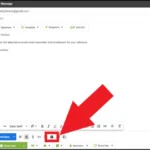
| 6. Attach Document | Click on the attachment icon (usually a paperclip symbol). Select the Word document from your device. |
| 7. Check Size and Compatibility | Ensure your attachment is within size limits and compatible with the recipient's device. |
| 8. Send Email | Review your email and click 'Send' when ready. |
Following each of these steps enhances the clarity and effectiveness of your email communication. Take a moment to double-check your attachment before hitting send.
Pros and Cons of Attaching Documents
Understanding the advantages and disadvantages of attaching Word documents to emails can help streamline your communication approach.
- Pros:
- Allows sharing of detailed information quickly.
- Provides a permanent record for both sender and recipient.
- Facilitates collaboration through comments and edits in Word.
- Cons:
- File size limitations that might restrict larger documents.
- Potential compatibility issues if the recipient lacks the necessary software.
- Email filters may mark attachments as spam, complicating delivery.
Evaluating these pros and cons can inform your approach to email attachments and help you avoid common pitfalls.
For more insights related to email attachments, check out [How Can I Attach An Email In Gmail For Better Communication](https://www.aceentertainment.io/how-can-i-attach-an-email-in-gmail-for-better-communication/).Real-World Examples of Attaching a Word Document to Email
Sending Project Proposals
Project managers often attach Word documents containing detailed proposals to emails for clients. This allows for easy revisions and clear communication of ideas.
Why this matters: Highlighting organization and professionalism can help secure client trust when submitting comprehensive documents through email.
Sharing Meeting Minutes
After a team meeting, a manager may attach Word documents summarizing the discussion and action items to an email sent to all participants. This ensures everyone stays on the same page.
Why this matters: Providing clarity and accountability promotes effective teamwork by ensuring all participants are informed of their responsibilities.
Distributing Training Materials
HR departments regularly attach Word documents that contain training manuals or onboarding materials in emails sent to new hires. This helps streamline the onboarding process.
Why this matters: Stating the importance of providing essential resources increases the likelihood that new employees will feel welcomed and prepared in their roles.
Facilitating Client Reviews
A graphic designer might attach a Word document outlining project details and feedback requests to an email sent to clients for review. This aids in gathering constructive feedback.
Why this matters: Asking for specific input fosters productive dialogue, allowing clients to feel involved in the creative process.
Submitting Reports
Employees often attach Word documents of monthly sales reports to emails sent to their supervisors. This provides a formalized way to communicate progress and performance metrics.
Why this matters: Highlighting detailed reports supports data-driven decisions, enhancing management's understanding of team performance.
Compliance Documentation
Lawyers frequently attach Word documents containing contracts or legal briefs to emails for clients or court submissions, ensuring all parties have access to necessary documentation.
Why this matters: Providing accurate legal documentation helps maintain transparency and protects both client and attorney interests.
Collaborative Feedback Requests
When a writer seeks feedback, they may attach a Word document of their draft to an email sent to peers for their insights. This encourages collaboration and idea sharing.
Why this matters: Asking for diverse perspectives can significantly improve the quality of written content, leading to a more polished final product.
Getting Your Word Document Ready for Email
How do I attach a Word document to an email using Gmail?
To attach a Word document in Gmail, start by composing a new email. Click on the paperclip icon to open your file explorer, then select the Word file you wish to attach. After it uploads, you can add recipients and send your email.
What should I do if my Word document is too large to attach?
If your document exceeds the attachment limit (usually 25 MB for Gmail), consider using a cloud storage service. Upload your document to Google Drive or Dropbox and share the link instead. This way, recipients can access the file without email size constraints.
Can I attach multiple Word documents to one email?
Yes, you can easily attach multiple Word documents to the same email. Just click the paperclip icon multiple times to select each document. Ensure you don’t exceed the maximum attachment size limit to avoid issues when sending.
What happens if the recipient can't open my Word document attachment?
If a recipient can’t open your attachment, it could be due to incompatible software or file corruption. To avoid this, save your Word document in a widely accepted format like PDF before attaching it. This ensures accessibility for most users.
No matter what email service you use, attaching a Word document is a straightforward process that can save you time and enhance your communication. Just remember to double-check your attachment before hitting send, ensuring that your recipient gets exactly what they need. If you're looking to expand your email communication skills further, exploring how to attach an email in Gmail could also be useful. Go ahead and share those documents with confidence—your recipients will appreciate it!