Needing to scan a document and email it can feel like a hassle, but it’s a skill worth mastering. Whether you're sending an important contract, sharing notes, or submitting an application, knowing how to do this efficiently can save you time and stress.

Think about those moments when you’ve needed to send something quickly and wished for a faster way. If you’re like most people, dealing with paperwork can be annoying—so let’s make sure you can get it done with ease.
This process isn't just for tech wizards; anyone can do it with a few simple steps. By understanding how to scan and send documents directly from your device, you’ll streamline your communication and boost your productivity at home or work.
Want to know more? By learning the practical aspects of scanning to email, you’ll feel more confident handling digital documents in this tech-driven world. It’s all about making your life easier while ensuring your important files are transmitted safely and clearly.
If you're curious about enhancing your document-sharing skills, check out this article on scanning to email with clarity. It covers some straightforward steps to get you started.
Core Elements of Scanning a Document to Email
Scanning a document for email is a helpful skill that can streamline your workflow, whether you're at home or in the office. Understanding the process involves a few essential components, including the type of scanner, settings to consider, and the steps to send your scanned document. Here’s a breakdown of what you need to know.
- Scanner Type: Choose between a flatbed scanner, sheet-fed scanner, or all-in-one printer that includes scanning capabilities. Flatbed scanners are ideal for thicker documents, while sheet-fed models are better for multi-page documents.
- File Format: Decide on the right file format for your needs. Common formats include PDF, JPEG, and TIFF. PDFs are preferred for documents due to their universal compatibility.
- Scanning Settings: Adjust settings like resolution (usually 300 DPI is sufficient for text), color mode (black and white or color), and file size. Opt for lower DPI for simple pages and higher for detailed graphics.
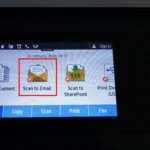
- Email Integration: Some scanners have built-in functionality to send scanned documents directly to email. Familiarize yourself with these options for seamless integration.
Steps to Scan a Document to Email
Here’s how to scan a document and prepare it for email:
- Prepare the Document: Ensure the document is flat and free of staples or folds to avoid jams.
- Set Up the Scanner: Connect your scanner or all-in-one device to your computer or network. Install any necessary software, if needed.
- Choose Scanning Preferences: Open the scanning software on your computer. Adjust the settings based on your document type and desired file format.
- Scan the Document: Place the document in the scanner. Click the “Scan” button in the software. Wait for the process to complete, and check the preview for clarity and completeness.
- Save the File: Save the scanned document to your computer in your chosen format. Make sure to name it clearly for easy identification.
- Email the Document: Open your email client, create a new email, attach the scanned document, and add your recipient’s email address. Write a clear subject line and a brief message if necessary.
Considerations When Scanning and Sending
As you navigate the process of scanning and emailing documents, keep these factors in mind:
| Factor | Consideration |
|---|---|
| Document Quality | Ensure high resolution for printed materials and legibility. |
| Email Size Limits | Be aware of attachment size limits set by your email provider to avoid delivery issues. |
| Confidentiality | Use encryption for sensitive documents to protect privacy. |
| Scanning Speed | Consider the time it takes to scan multiple pages, especially for bulk documents. |
For additional insights on scanning procedures, check out this article which covers how to scan to email with clarity for better communication.
Real-World Uses for Scanning Documents to Email
Efficient Document Sharing
Scanning documents to email allows users to instantly share contracts and agreements with stakeholders or clients without needing to print or physically deliver them.
Why this matters: Ensuring quick access to important documents fosters timely decisions and can expedite business processes significantly.
Streamlined Record Keeping
Businesses can scan receipts and invoices and email them directly to accounting systems, which helps maintain accurate financial records without using physical space.
Why this matters: Maintaining organized digital records facilitates easier audits and reduces the risk of lost invoices, thereby enhancing operational efficiency.
Improved Client Communication
Real estate agents often scan property listings or buyers’ documentation to email to clients, keeping everyone informed and involved in the process.
Why this matters: Promptly providing necessary documentation builds trust and improves the overall client experience during transactions.
Remote Work Adaptation
In a remote work environment, team members can scan project proposals or reports and email them to colleagues to ensure team alignment and project progression.
Why this matters: Connecting remote teams with essential documents enhances collaboration and ensures that all members are on the same page.
Education and Learning Materials
Students can scan handwritten notes or assignments and email them to teachers or classmates for feedback or collaboration on projects.
Why this matters: Sharing educational resources digitally promotes collaborative learning environments and keeps academic discussions active.
Legal Documentation Submission
Attorneys often scan legal briefs or court documents to email to courts or clients, ensuring all necessary documentation is submitted in a timely manner.
Why this matters: Delivering legal documents promptly helps in upholding deadlines and can significantly impact legal proceedings.
Healthcare Record Management
Healthcare providers can scan patient forms and email them to administrative offices for processing, which improves workflow and patient data management.
Why this matters: Streamlining patient data collection and processing enhances service delivery, making the healthcare experience more efficient for both providers and patients.
Understanding Document Scanning for Email
How do I scan a document to email using a smartphone?
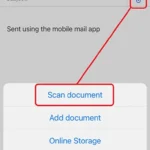
Most smartphones have built-in scanning features in the Notes or Files app. Simply open the app, select the scan option, and capture the document. Once scanned, you can share it directly via email from the app.
What equipment do I need to scan a document to email?
You can use a scanner, multifunction printer, or a smartphone. Each device will have slightly different methods, but the essential function remains the same: converting a physical document into a digital file that can be attached to an email.
What file format should I use when scanning documents for email?
PDF is the most commonly recommended format for scanned documents. It preserves the document's layout and is widely accepted by email clients. However, JPEG is also suitable for images or when specific layouts aren’t essential.
Why is my scanned document too large to email?
Scanned documents can become large if high-resolution settings are used. You can reduce the file size by adjusting the scan resolution or using compression tools before attaching it to your email. Most scanners allow you to set these options in the scanning software.
Scanning a document to email may seem daunting at first, but it’s really just about getting comfortable with your device and the process. With a little practice, you’ll find yourself breezing through the steps in no time. Whether you’re sending quick updates or important paperwork, knowing how to do this efficiently is a handy skill to have at your fingertips. So grab that scanner and give it a go—your colleagues and friends will appreciate the streamlined communication!