Knowing how to react to an email in Outlook can make or break your professional relationships. Whether it’s a simple acknowledgment, a request for information, or addressing a concern, the right response sets the tone for your communication.
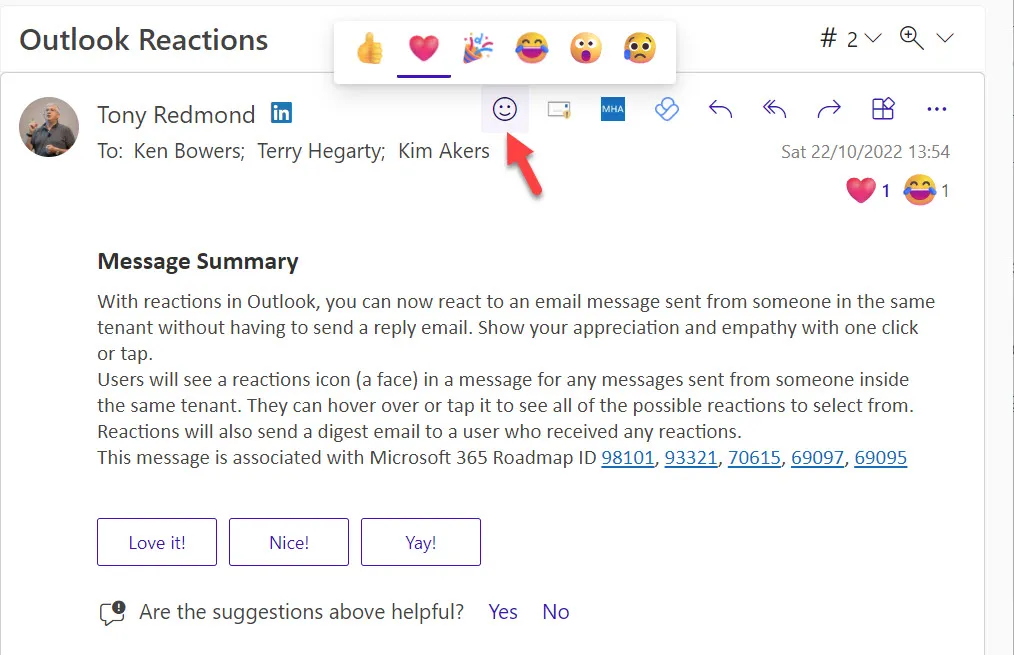
In our fast-paced work environments, responding promptly and appropriately can enhance your credibility and show respect for your colleagues’ time. Missteps can lead to misunderstandings, missed opportunities, or a tarnished reputation.
By honing your response skills, you not only improve how you manage your correspondence but also strengthen your professional image. Every email is a chance to convey clarity and confidence.
Core Components of Email Responses in Outlook
When it comes to managing emails in Outlook, knowing how to respond thoughtfully is crucial. Different situations call for different approaches, and understanding these can enhance your communication skills. Here are the core components to help you navigate email responses seamlessly.
Recognizing the Email Type
- Informational: When the email is strictly for sharing information, a simple acknowledgment may suffice.
- Action Required: If a response is needed, clarify what action you intend to take.
- Request for Input: For emails seeking your opinion or direction, state your thoughts clearly.
- Feedback: When replying to constructive criticism or feedback, express appreciation before addressing points.
Crafting Your Response
Structure your email response to enhance readability:
- Begin with a Greeting: Use the recipient's name to create a personal connection.
- Express Gratitude: If applicable, thank the sender for their message or information.
- Main Body: Address the email's content directly. Be clear, concise, and relevant.
- Closing Statement: Summarize next steps or invite further communication.
Utilizing Outlook Features
Outlook offers tools that can streamline your email interactions:
- Reply vs. Reply All: Choose wisely based on whether your response is relevant to all parties involved.
- Forwarding: When passing on information, add context to maintain clarity.
- Using Templates: For frequent responses, consider creating templates to save time.
- Tracking Tasks: If your email involves tasks, utilize the 'Tasks' feature to keep track of deadlines.
Maintaining Professionalism
No matter the content, professionalism remains imperative. Here are a few reminders:
- Zero Tolerance for Informality: Avoid casual language in professional contexts unless the relationship permits.
- Proofread: Typos and grammatical errors can undermine the intent behind your message.
- Timeliness: Responding quickly demonstrates respect for the other person's time.
Understanding the Why
Every response shapes your personal brand. Consider these factors:
| Factor | What It Communicates |
|---|---|
| Timeliness | Respect for the sender's request and urgency. |
| Clarity | Capability in communication and understanding. |
| Tone | Professionalism and relationship-building. |
Following these components can elevate your email response skills in Outlook, making your communication more effective and professional.
For further insights, explore how to print emails from Outlook to add a professional touch to your correspondence.
Practical Ways to React to Emails in Outlook
Using Quick Replies for Efficiency
Outlook allows users to create quick replies for common responses, facilitating faster communication. You can set these up in your account settings and trigger them with keyboard shortcuts.
Why this matters: Highlighting speed in communication can significantly enhance productivity, allowing you to respond without drafting new emails from scratch.
Flagging Emails for Follow-Up
Flagging emails enables you to set reminders for follow-ups. Once an email is flagged, it appears in your To-Do Bar, serving as a visual cue for important actions you need to take.
Why this matters: By keeping track of important communications, you're ensuring that nothing falls through the cracks, which is vital for maintaining professional relationships.
Using Categories for Organization
Assigning categories to emails allows you to organize your inbox according to priority, project, or sender. This feature can be customized to fit your workflow, enhancing clarity.
Why this matters: Stating a clear organizational structure helps streamline your email management, making it easier to locate important messages when needed.
Responding with Meeting Proposals
When replying to emails that require a meeting, you can easily propose a time through the Outlook calendar integration. This saves time and avoids the back-and-forth of email communication.
Why this matters: Providing a simple method for scheduling meetings reduces the chances of misunderstandings and promotes more immediate collaboration.
Utilizing the “Reply All” Feature
Using the “Reply All” function ensures that everyone included in the original email stays in the loop. This is particularly useful in team settings where collaboration is essential.
Why this matters: Asking all relevant parties to participate in the discussion allows for comprehensive feedback, which is critical in team projects.
Using the Clean Up Tool
The Clean Up Tool in Outlook allows you to remove redundant emails from conversations. This can help declutter your inbox by deleting previous messages when the latest reply is sufficient.
Why this matters: Highlighting decluttering as a practice helps maintain focus on current content, preventing overwhelm from an overloaded inbox.
Customizing Email Signatures
Creating a custom email signature can set a professional tone for your responses. This feature allows you to add your contact information, logos, and disclaimers automatically at the end of your emails.
Why this matters: Providing consistency in your communication establishes professionalism, leaving a positive impression on the recipients.
Navigating Email Responses in Outlook
How do I reply to an email in Outlook with my calendar availability?
You can reply to an email in Outlook and include your calendar availability by clicking on "Reply" and then selecting "Insert Calendar." This allows you to share your availability without leaving the email interface, streamlining the communication process.
Is there a way to add quick responses for frequent scenarios in Outlook?
Can I forward an email with comments directly in Outlook?
What should I do if I want to react to an email but need more time to respond?
When it comes to responding to emails in Outlook, the biggest takeaway is to know your audience and adjust your tone accordingly. Remember, a thoughtful response can go a long way in building and maintaining relationships, whether it’s a casual chat with a colleague or a formal message to a client. Keep it clear and concise, and you’ll communicate effectively. So, next time you sit down to tackle your inbox, approach it with confidence and a personal touch. Happy emailing!