Encrypted email is more than just a technical term; it's a crucial component in protecting your personal and business communications from prying eyes. With cyber threats on the rise, understanding how encrypted email works and why you need it can make a world of difference in keeping your sensitive information safe.
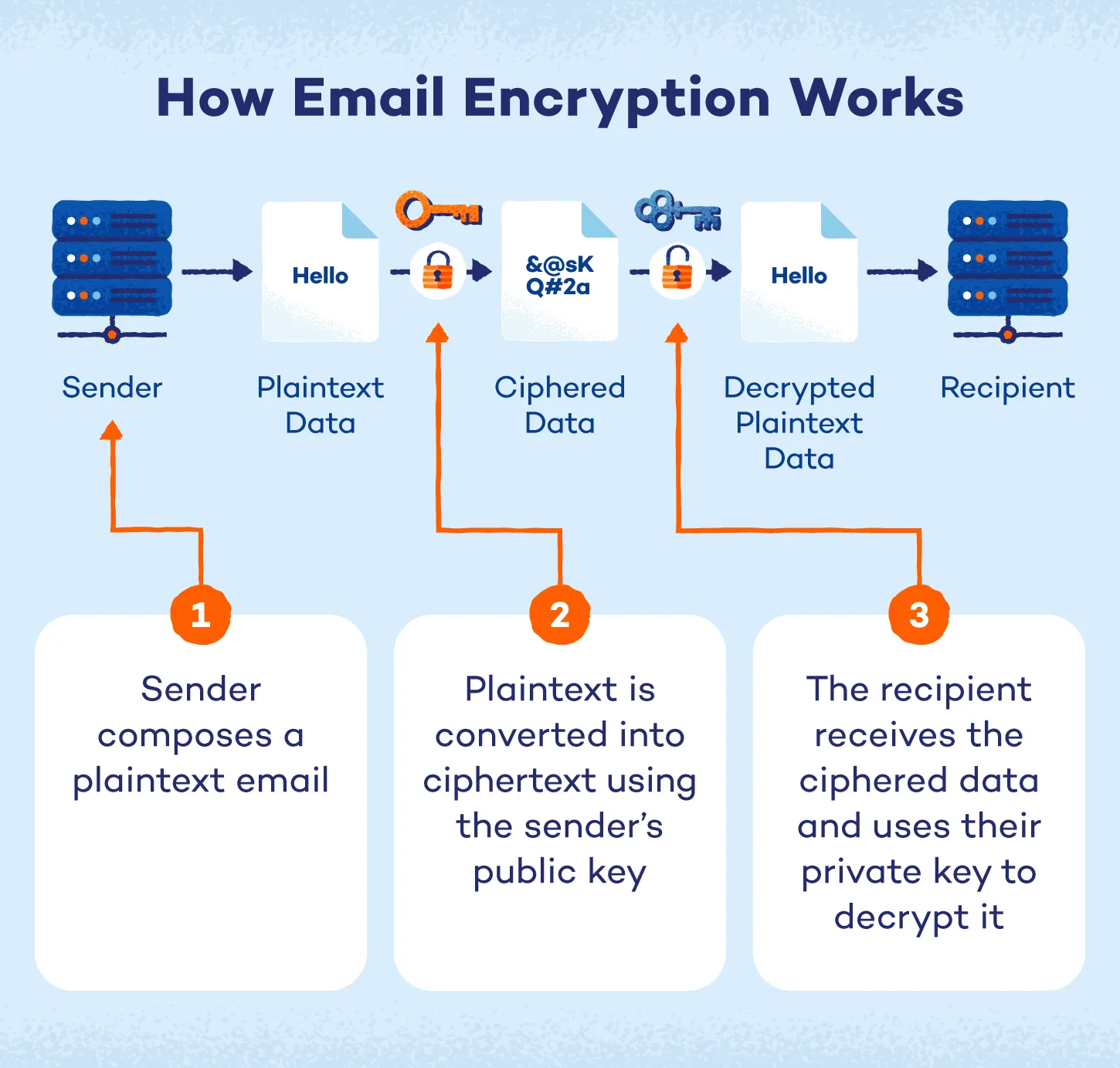
Imagine sending a sensitive document about a business deal or a personal message with complete assurance that only the intended recipient can read it. That’s the promise of encrypted email—making it hard for anyone else to intercept your messages. As digital privacy becomes increasingly important, knowing how to secure your communications isn't just helpful; it's essential.
Encryption works by scrambling your message into a format unreadable to anyone who doesn’t have the proper decryption key. This technology transforms your emails into secure information packets, granting you peace of mind when you hit "send." You might wonder, how does this affect me? If you're concerned about hacking or data breaches, understanding encrypted email could be a game changer for your privacy and security.
Core Elements of Encrypted Email
Encrypted email is a method for securing email communications, ensuring that only the intended recipient can read the messages. Here’s a breakdown of the basic components:
- Encryption Types: There are two main types of encryption used in emails: symmetrical and asymmetrical. Symmetrical encryption uses a single key for both sending and receiving, while asymmetrical employs a pair of keys: one public and one private.
- Public Key Infrastructure (PKI): This system allows users to exchange encryption keys securely. Each user has a unique pair of keys, and the public key can be shared with anyone, enabling them to send encrypted messages.
- Mail User Agent (MUA): This is the software used to send, receive, and manage emails. Popular MUAs support encryption protocols, enhancing user privacy.
- End-to-End Encryption (E2EE): This guarantees that messages are encrypted on the sender's device and only decrypted on the recipient's device, preventing access by third parties during transit.
- Digital Signatures: These are used to verify the authenticity of the sender. A digital signature ensures that the email has not been altered and is indeed from the claimed sender.
Benefits and Drawbacks of Encrypted Email
| Benefits | Drawbacks |
|---|---|
| Increased Privacy: Encrypted emails safeguard sensitive information from unauthorized access. | Complexity: Users must manage encryption keys and understand how to use encryption software effectively. |
| Data Integrity: Encryption ensures the content cannot be modified without detection. | Incompatibility: Not all email services and clients support encryption protocols, potentially limiting communication. |
| Trust Establishment: Digital signatures build trust between correspondents by confirming sender identity. | Potentially Slower Processing: Encrypting and decrypting emails can take additional time, particularly for large files. |
Choosing to use encrypted emails can significantly enhance your online security, especially in a world where data breaches and unauthorized access are prevalent. Understanding how encryption works helps users take a proactive stance on their digital communications.
For insights on protecting your email from unwanted access, check out How To Know If Ur Email Is Hacked And What To Do Next.
Practical Examples and Features of Encrypted Email
Protecting Sensitive Client Information
Encrypted email allows professionals, such as lawyers and doctors, to communicate confidential information securely, ensuring that sensitive data remains private.
Why this matters: Highlighting the necessity of confidentiality in professional environments emphasizes the importance of maintaining client trust and adhering to legal requirements.
Safeguarding Personal Correspondence
Individuals can use encrypted email to send personal messages, preventing unwanted access by hackers or other prying eyes, thus maintaining their privacy.
Why this matters: Stating the value of personal privacy draws attention to the risks associated with unencrypted communication in a digital age.
Securing Financial Transactions
Encrypted email can facilitate secure exchanges of financial information, such as bank details or transaction confirmations, reducing the risk of fraud.
Why this matters: Providing assurance to users about the security of their financial data encourages safer online transactions.
Enhancing Corporate Communication
Businesses use encrypted emails to protect internal communications, such as trade secrets and strategic plans, from unauthorized access or corporate espionage.
Why this matters: By keeping internal discussions secure, organizations can maintain a competitive advantage and safeguard intellectual property.
Facilitating Secure Remote Work
With the rise of remote work, encrypted email becomes essential for employees to share sensitive documents securely when away from the office.
Why this matters: Asking how organizations can support remote teams highlights the need for secure communication channels in a distributed workforce.
Compliance with Data Protection Regulations
Many industries are required to comply with regulations like GDPR and HIPAA, making encrypted email a tool for meeting legal obligations regarding data protection.
Why this matters: Emphasizing compliance enables organizations to avoid costly penalties and foster customer confidence in their data handling practices.
Preventing Data Breaches
Utilizing encrypted email minimizes the likelihood of data breaches, as even if emails are intercepted, the contents remain unreadable to unauthorized individuals.
Why this matters: Highlighting the role of encryption in mitigating risks encourages users to adopt secure practices to protect their information.
Understanding Encrypted Emails
What is the purpose of using encrypted email?
Encrypted email is designed to protect the content of your messages from unauthorized access. By converting the message into a format that can only be read by someone with the right decryption key, it ensures that sensitive information remains confidential. This is especially crucial for professionals handling personal data or classified information.
How does encrypted email work?
Encrypted email uses cryptographic techniques to transform your message into an unreadable format during transmission. When the recipient receives it, they use a decryption key to revert the message back to its original form. This process keeps the content safe from eavesdroppers and ensures that only the intended recipient can read it.
What are the common challenges with encrypted email?
One significant challenge is that both the sender and receiver need compatible encryption software. Misconfigurations can lead to unreadable messages or failed deliveries. Additionally, users often struggle with the complexity of managing encryption keys, which can lead to frustration and decreased use of the technology.
Are there specific email services that provide encryption?
Yes, many email services offer built-in encryption features or support third-party encryption tools. Services like ProtonMail, Tutanota, and even applications like Thunderbird with OpenPGP plugins are popular choices. When selecting a service, consider the level of security provided and how user-friendly the interface is.
Understanding encrypted email is all about securing your private conversations in a world where digital privacy seems ever more elusive. It’s a powerful tool that not only protects your sensitive information but also gives you peace of mind that your messages are safe from prying eyes. If you haven’t considered implementing it yet, now’s a good time to explore the options out there—making sure your communication remains confidential and secure. If you're also concerned about the broader implications of digital security, check out how to know if your email is hacked and what steps to take next. Embrace the world of encrypted communication; your future self will thank you!