Ever felt that uneasy twinge when you notice something off about your email? You're not alone. With the rise of digital threats, recognizing if your email might have been hacked is more crucial than ever. It’s not just about your inbox; it’s about your privacy and security. Every day, countless people find themselves in this unsettling situation, and knowing the signs can make all the difference.

Imagine receiving strange emails you didn’t send or seeing unfamiliar login activity. These situations can feel overwhelming, but they also carry important clues. Staying informed is your best defense in a world where your online presence is constantly at risk.
This isn’t just about the technology; it’s about your peace of mind. When you understand the signs of a potential breach, you can take action to protect yourself and your digital life. You deserve to feel safe and secure when you check your email. Let's break down how to spot the warning signs, ensuring you can stay one step ahead.
Essential Signs Your Email Account May Be Compromised
Recognizing the signs that your email account has been hacked can save you from significant troubles. Here are the main indicators to watch for.
- Unrecognized Login Activity: Check your account’s login history. Many email providers show recent access times and locations. If you see unfamiliar places or devices, it’s a red flag.
- Missing Emails: If emails go missing or are found in your sent folder that you didn’t send, that’s a strong sign of unauthorized access. Hackers might delete or manipulate your messages.
- Unusual Account Activity: Look out for bizarre account behavior, such as automatic replies, unexpected password changes, or altered settings. Any changes you didn’t make could indicate a breach.
- Security Alerts: Pay attention to security alerts from your email provider. If you receive notifications about password changes you didn’t initiate, it’s time to take action.
- Suspicious Emails: Be wary of spam or phishing emails that appear to come from your account. This could mean your contact list has been infiltrated, and your account is being used to send out more malicious emails.
- Increased Spam: A sudden surge in spam emails can signal that your account information has been leaked or that your email is being used by someone else.
- Account Lockouts: If you’re frequently locked out of your account or find that you need to reset your password often, it might indicate someone else is trying to access it.
| Sign | Description |
|---|---|
| Unrecognized Login Activity | % of people noticing strange locations in login logs. |
| Missing Emails | Emails that you can't find or find in the sent items unexpectedly. |
| Unusual Account Activity | Changes to settings or automatic replies that you didn't initiate. |
| Security Alerts | Notifications from email service about changes you didn’t make. |
| Suspicious Emails | Phishing attempts or spam that appears to come from your own email. |
| Increased Spam | A sudden rise in unsolicited emails in your inbox. |
| Account Lockouts | Frequent inability to access your email, indicating possible unauthorized attempts. |
If you experience any of these issues, it's crucial to take immediate action to secure your account. Consider changing your password, enabling two-factor authentication, and reviewing your security settings. For detailed assistance on enhancing your email security, check out how to encrypt your email in Outlook for better security.
Identifying If Your Email Has Been Compromised
Unusual Login Activity
Noticing login attempts from unfamiliar locations or devices is a clear indicator of potential unauthorized access. For example, receiving alerts about logins from different countries you've never visited can signal that someone else is accessing your account.
Why this matters: Detecting unexpected activity helps in taking immediate action to secure your account, thereby preventing further unauthorized access.
Change in Email Settings
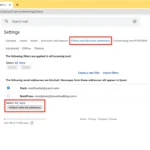
Finding alterations in your email settings, such as modified forwarding addresses or deleted messages, suggests that someone may have tampered with your account. If emails are being redirected to an unknown address without your consent, your account could be compromised.
Why this matters: Recognizing these changes allows you to regain control and mitigate the risk of sensitive information being sent elsewhere.
Sent Folder Surprises
Discovering emails in your sent folder that you didn’t write or send indicates that your account is likely hacked. This could include spam or phishing messages sent to your contacts without your knowledge.
Why this matters: Identifying unauthorized messages aids in alerting your contacts to potential phishing attempts, safeguarding them from scams.
Unusual Password Reset Requests
Receiving password reset emails you didn’t request is often a sign that someone is trying to take over your account. These alerts might come from your email provider, indicating that someone is attempting to access your account through password recovery options.
Why this matters: Acknowledging these alerts enables you to act swiftly, either by securing your account or confirming your credentials weren't compromised.
Difficulty Logging In
Experiencing problems while trying to log into your account, such as being denied access due to incorrect credentials, can mean that your password has been changed by an unauthorized individual.
Why this matters: Acting upon this realization is crucial; immediate recovery steps can prevent further loss or misuse of your account.
Spam or Unwanted Emails
Encountering an influx of spam or phishing emails can indicate that your email address has been compromised or is being utilized by others. Hackers often use compromised accounts to send out unsolicited emails.
Why this matters: Acknowledging the nature of incoming emails allows users to avoid falling for phishing attempts and strengthens their email security practices.
Security Alerts from Your Provider
Receiving security notifications from your email provider about suspicious activity or changes made in your account signals that your account might be at risk. These messages often serve as an early warning system for account compromise.
Why this matters: Responding to these alerts and investigating further plays a vital role in safeguarding your sensitive information and restoring your account's integrity.
Identifying Potential Email Hacks
What are the signs my email account has been compromised?
Look for unusual activity, such as login attempts from unfamiliar locations or devices. Unexpected password resets or emails sent from your account that you didn't write also signal a potential breach.
How can I check if my email password has been leaked?
You can use services like Have I Been Pwned to see if your email has appeared in any data breaches. Just enter your email address, and the service will inform you if it’s been compromised in any known leaks.
What should I do if I suspect my email is hacked?
First, change your password immediately, using a strong, unique combination. Then, review your account settings, particularly the recovery information and any linked accounts.
Can I prevent my email from being hacked in the future?
Using two-factor authentication adds an extra layer of security to your email. Regularly updating your password and being cautious about suspicious links are also important practices to maintain your email's integrity.
Staying alert and aware is your best defense against email hacks. If you notice strange activity or receive unexpected alerts, don’t hesitate—take action right away to secure your account. It's crucial to change your password and consider enabling two-factor authentication for an added layer of protection. Trust your instincts; if something feels off, it probably is. Protect your digital life, and if you want to enhance your security further, check out how to encrypt your emails in Outlook. Stay safe out there!