Scanning a paper to email might seem like a routine task, but getting it right can save you a lot of time and hassle. Whether you're sending over important documents for work or sharing cherished memories without losing quality, understanding the ins and outs of scanning can make a significant difference.

It’s all about clarity and convenience. No one wants to wrestle with complicated software or questionable image quality. With the right steps, you can ensure your documents look professional and are easy to share, keeping you organized and on top of your workload.
Getting started doesn’t require fancy equipment or complex setups. Just a few straightforward actions will lead you to a polished scan that’s ready to send. Let’s break down what you need to know.
Core Elements of Scanning a Paper to Email
Scanning a paper document to email involves a clear process that anyone can follow. Understanding the basic components can help make this task straightforward, ensuring your documents appear professional and are easy to share.
Here's what you need to know:
- Equipment Needed: You'll require a scanner or a multifunction printer that includes scanning capabilities. Alternatively, a smartphone with a scanning app can work just as well.
- Scanner Setup: Ensure your scanner is connected to your computer or network. Install any necessary drivers or software that came with the scanner.
- Scan Settings: Choose the scanning settings appropriate for your document. Common options include file format (JPEG, PDF), resolution (300 DPI for text documents), and color (black and white for monochrome documents).
- Scanning Process: Place your document face down on the scanner bed, select “Scan” on your computer or app, and wait for the process to complete. Verify the scanned image for clarity.
- File Naming: Name your scanned file clearly to make it easy to identify. Avoid spaces or special characters to ensure compatibility when emailing.
- Attaching to Email: Open your email program, create a new message, and attach the scanned document. Double-check the recipient’s email address before sending.
| Component | Description |
|---|---|
| Scanner or App Type | Use either a dedicated scanner or a scanning app on your smartphone. |
| Document Quality | Ensure clear, high-resolution scans, particularly for text-heavy documents. |
| File Format | Common formats include PDF for multi-page documents and JPEG for images. |
| Email Application | Any email platform like Gmail, Outlook, or other services supports document attachments. |
Ensuring the scanned document has clear text, proper alignment, and an appropriate file size is crucial for sending professional emails. Always preview the document before finalizing your email to make sure it looks as intended.
For additional insights on this topic, refer to How Do You Scan And Email Something With Professional Clarity.
Practical Ways to Scan Paper to Email
Utilizing Smartphone Scanning Apps
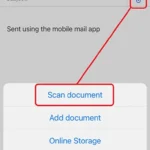
Leveraging applications like Adobe Scan or CamScanner allows users to take photos of documents and convert them into scanned PDFs directly on their smartphones.
Why this matters: Highlighting the convenience of portability, users can scan documents wherever they are without needing a traditional scanner.
Employing Multifunction Printers
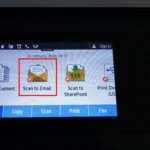
Multi-function printers (MFPs) often possess built-in scanning capabilities that let users digitize documents and send them directly to email without a computer.
Why this matters: Providing an efficient workflow, users can streamline tasks by combining printing, scanning, and emailing into a single device.
Using Cloud-Based Storage Services
After scanning a document, uploading it to services like Google Drive or Dropbox allows easy sharing via email with a simple link.
Why this matters: Emphasizing organization, users can access their documents from anywhere and share without clogging up email storage limits.
Incorporating Optical Character Recognition (OCR)
Scanning software equipped with OCR can convert scanned documents into editable text files, making it easier to search and share relevant information via email.
Why this matters: Stating the importance of accessibility, users gain added flexibility in manipulating text for various applications after scanning.
Configuring Email Directly on Scanners
Some high-end scanners allow users to configure email settings, enabling them to send scanned documents directly from the scanner interface.
Why this matters: Asking manufacturers for ease of use, users save time by bypassing the need for additional devices or software to complete tasks.
Utilizing Document Management Software
Software solutions like Evernote or OneNote can capture scanned documents and allow direct email sharing from within the application.
Why this matters: Summarizing the benefits of integration, users can maintain a comprehensive organized system while ensuring easy sharing options.
Scanning to PDF for Consistency
Creating PDFs when scanning document ensures that formatting remains intact, making documents suitable for professional communication without loss of quality.
Why this matters: Providing a standard format, users ensure that recipients view documents as intended, maintaining professionalism in digital correspondence.
Addressing Common Concerns About Scanning Paper to Email
What equipment do I need to scan a paper to email?
To scan a paper and send it via email, you'll need a scanner or a multifunction printer with scanning capabilities. If you don’t have access to these, consider using a smartphone app that can scan documents and convert them into PDF or image files.
How do I scan a document and attach it to an email?
After scanning the document, save it as a PDF or image file on your device. Open your email client, create a new email, and use the attachment feature (usually represented by a paperclip icon) to select and attach the scanned file before sending it to the recipient.
What file formats are best for emailing scanned documents?
The most common file formats for emailing scanned documents are PDF and JPEG. PDFs are particularly useful for multi-page documents, while JPEGs can be suitable for single-page images, but may not maintain the formatting as well as PDFs.
Why can't I find my scanned document after scanning?
If you can't locate your scanned document, check your scanner’s settings to find out where files are saved by default. It's often saved in the "Documents" folder or a specific folder created by the scanning software or app. Ensuring consistent file naming can also help locate scanned items easily.
Scanning a paper to email doesn’t have to be a hassle; it’s all about finding the right tools and methods that suit your needs. Whether you're using a scanner, an app, or a multifunction printer, the basics remain the same: ensure good lighting, check your settings, and always save in a preferred format. The more comfortable you get with the process, the quicker it will become. So, go ahead and give it a shot—before you know it, you’ll be zapping documents to your inbox like a pro! And if you want to elevate your skills even further, take a look at how to scan and email something with professional clarity for some extra insights.