Need to send a document quickly and can’t figure out how to scan and email it? You're not alone. Whether it’s for work, school, or personal use, being able to digitize and share important papers is a must-have skill in our tech-heavy world.
It can feel daunting if you’re not familiar with the process, and there’s nothing worse than spending time wrestling with a scanner or computer when you just want to send an email. In this section, we'll break down the steps to make this as straightforward as possible.
By learning this skill, you’ll save yourself time and prevent those last-minute scrambles. You’ll be able to share files efficiently, making communication smoother and keeping you organized.
Let’s jump right into it, so you can master this practical task without any hassle.
Core Elements of Scanning and Emailing Documents
Scanning and emailing documents may seem straightforward, but it involves several essential steps to ensure the process is seamless and efficient. Here’s a breakdown of what you need to know.
Understanding the Scanning Process
Scanning converts physical documents into digital files. This transformation allows for easy storage, sharing, and organization. Here’s how it typically works:
- Choose a Scanner: Various types exist, including flatbed scanners, portable scanners, and multifunction printers. Select one based on your needs.
- Prepare Documents: Ensure documents are clean and free of staples or wrinkles for optimal scanning quality.
- Adjust Settings: Set the resolution and file format (usually PDF or JPEG) in the scanning software.
Scanning Steps
Follow these steps to scan your document:
- Place the document in the scanner.
- Open the scanning software on your computer.
- Select the scan button and choose the destination folder for the scanned file.
Emailing the Scanned Document
Once scanned, sending the document via email requires a few straightforward steps:
- Open Email Client: Use your preferred email service, such as Gmail or Outlook.
- Compose New Email: Click on the “Compose” or “New Email” button.
- Attach the File: Click the “attach” icon and select the scanned document from your file directory.
- Add Recipient: Enter the email address of the person you wish to send the document to.
- Send: After adding a subject and message, hit the “Send” button.
Considerations for Effective Scanning and Emailing
When scanning and sending, keep these aspects in mind:
- File Size: Large files can be difficult to send. Compress them if necessary.
- Document Clarity: Aim for readable quality; choose higher resolution settings when needed.
- Email Limits: Be aware of any size limitations imposed by your email provider.
Common File Formats
| File Format | Description |
|---|---|
| Widely used for documents, preserves formatting regardless of device. | |
| JPEG | Best for images; compresses files, but may lose some quality. |
| TIFF | High-quality format used primarily for scanned images and photographs. |
For additional insights on scanning documents, check out How To Scan To Email With Clarity For Better Communication.
Practical Applications of Scanning and Emailing Documents
Sending Official Documents
When an individual needs to share a signed contract or official report, scanning the document and emailing it provides a quick and secure method to ensure the recipient receives it immediately.
Why this matters: Highlighting the immediacy of this method can expedite business transactions, ensuring that all parties are aligned and reducing the risk of delays.
Sharing Receipts for Reimbursements
Employees often scan their receipts after a business trip and email them to their finance department for reimbursement, streamlining the expense reporting process.
Why this matters: By keeping physical records to a minimum, companies can maintain organized digital archives and enhance the speed of reimbursements.
Archiving Important Correspondence
Individuals can scan important letters or notices, such as legal correspondence, and email them to themselves or a safe storage location, facilitating easy retrieval when needed.
Why this matters: Stating the importance of digital archiving helps prevent loss of crucial documents and aids in maintaining organized personal records.
Collaborating on Projects
In corporate settings, teams can scan drawings or project plans, then email them to colleagues across different departments to foster collaboration and feedback.
Why this matters: Providing a shared platform for visual input encourages collaboration, ensuring that everyone contributes to project success.
Submitting Applications
Job seekers frequently scan their resumes and cover letters before emailing them to potential employers, allowing for a professional presentation of their qualifications.
Why this matters: Asking for a polished application reinforces a candidate's commitment to professionalism, making a positive first impression on hiring managers.
Easily Sharing Educational Materials
Educators often scan worksheets or tests and email them to students, ensuring easy access to learning materials from any location.
Why this matters: By keeping educational content accessible, teachers enhance student learning and support a flexible learning environment.
Facilitating Remote Work
Employees working from home can scan documents like performance reviews and email them to supervisors, allowing for seamless communication without the reliance on in-person meetings.
Why this matters: Highlighting remote work capabilities shows adaptability in modern work environments, fostering productivity even without physical offices.
Your Questions About Scanning and Emailing Answered
What devices can I use to scan and email documents?
You can scan and email documents using a variety of devices, including scanners, multifunction printers, and even smartphones or tablets with scanning apps. Each option has specific software or apps that facilitate the email process after scanning.
How do I scan a document using my printer and send it via email?
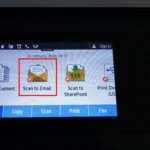
Most modern multifunction printers have built-in scanning features. Simply place the document in the scanner, select the scan option on the printer, and choose "Email" as the destination. Follow the prompts to enter the recipient's email address and send the scanned document directly.
What should I do if my scanned document is too large to email?
If your scanned document is too large, try reducing its file size by changing the resolution settings on your scanner. Alternatively, you can zip the file or use a cloud service to upload it and share the download link via email.
Can I scan and email documents without a scanner?
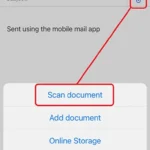
Yes, you can use your smartphone to scan documents using apps like Adobe Scan or CamScanner. These apps allow you to capture, edit, and email documents directly from your phone, making it a hassle-free option.
Scanning and emailing documents doesn’t have to be a hassle; it’s all about understanding your tools and following a few simple steps. With a little practice, you'll find yourself zipping through paperwork like a pro. Whether you’re sending a signed contract or sharing notes with a colleague, being able to scan and email quickly is a real game-changer. So, grab that scanner and start sending those emails — you'll feel accomplished in no time! If you want to dive deeper into scanning techniques that enhance clarity, check out our post on scanning to email with clarity for better communication.