Receiving a cancellation email can feel frustrating, whether it's about a business deal or a long-awaited dinner with friends. You probably want to respond in a way that maintains professionalism while also conveying your disappointment. A well-thought-out response can keep the door open for future interactions and demonstrate your understanding. 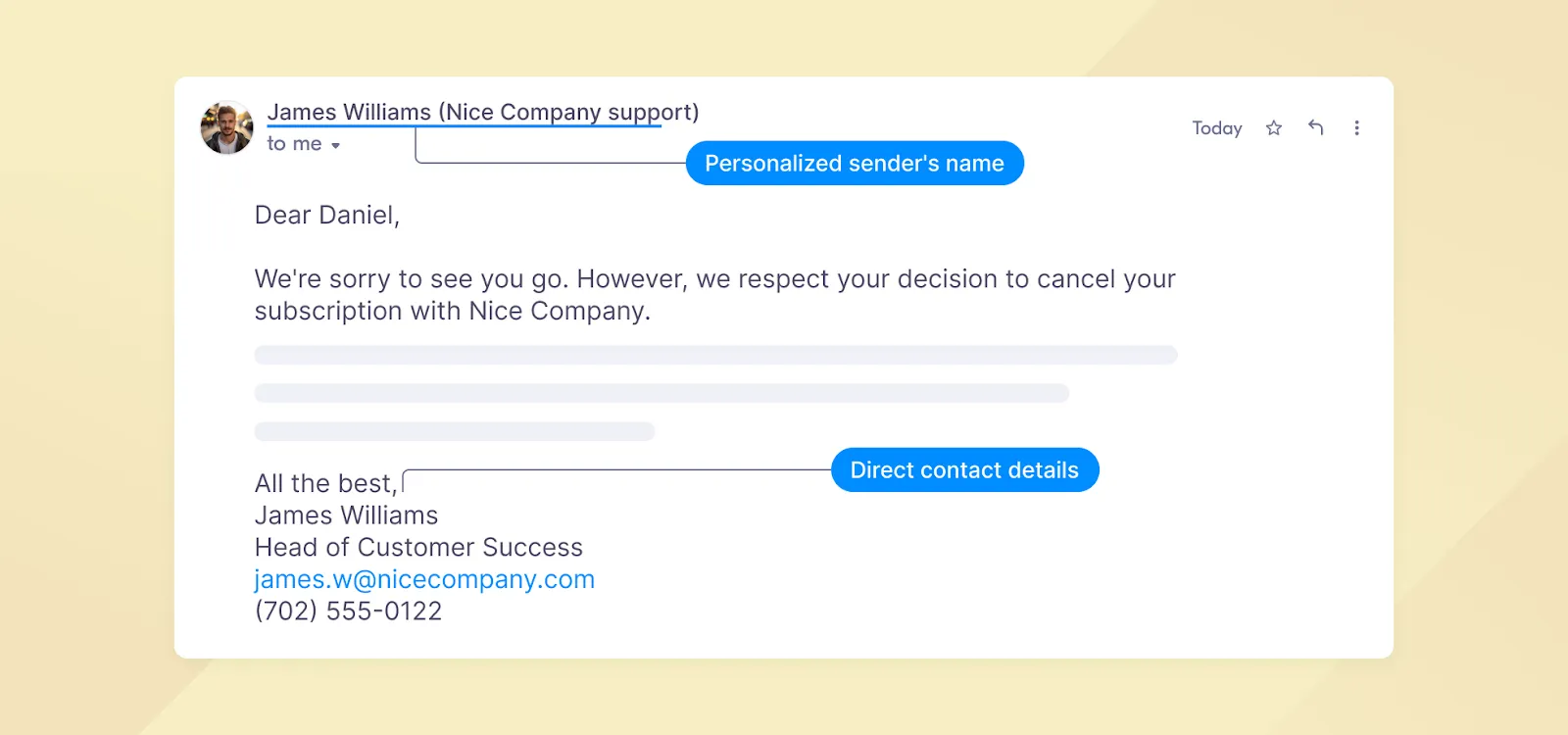
The way you handle these messages can define your relationships in both personal and professional spheres. Everyone knows that plans change, but how you choose to react can reflect on your character. Taking a moment to frame your response thoughtfully can make all the difference down the line.
In a world where communication happens at lightning speed, the right words can not only soothe the situation but also pave the way for future opportunities. Here, we'll walk through how to navigate these responses with clarity and respect.
Core Elements of Responding to a Cancellation Email
When you receive a cancellation email, how you respond can shape future interactions and relationships. Here are the essential components to consider:
- Acknowledge the Cancellation: Start by acknowledging the cancellation itself. This shows understanding and empathy.
- Express Understanding: Convey that you appreciate the sender's situation. This helps to maintain a positive relationship.
- Offer Alternatives: If applicable, suggest rescheduling or other options. This keeps the door open for future communication.
- Maintain Professionalism: Use a respectful tone throughout your response. Professionalism is key to any correspondence.
- Keep it Concise: Avoid unnecessary information. A clear, straightforward response is more impactful.
| Element | Description |
|---|---|
| Acknowledge the Cancellation | Acknowledge the cancellation politely to show that you are considerate. |
| Express Understanding | State that you understand their reasons for the cancellation. |
| Offer Alternatives | Suggest rescheduling or other ways to move forward. |
| Maintain Professionalism | Keep your language respectful throughout the email. |
| Keep it Concise | Be direct and to the point without unnecessary details. |
Building your response around these elements can lead to more constructive discussions in the future. Each point is designed to foster goodwill and keep the lines of communication open.
For those using email platforms like Outlook, understanding how to manage correspondence can further enhance your communication skills. For more details, visit this article on forwarding emails in Outlook.
Real-World Examples of Replying to a Cancellation Email
Expressing Understanding and Empathy
When replying to a cancellation email, start with an acknowledgment of the situation. You might say, "I understand that circumstances can change, and I appreciate you letting me know." This sets a positive tone for the exchange.
Why this matters: Acknowledging the situation fosters a supportive atmosphere, promoting ongoing communication and understanding.
Offering to Reschedule
In your response, suggest alternative dates or times to meet or discuss further. For example, "If you'd like, we can look at rescheduling for next week. How does Tuesday or Thursday sound?"
Why this matters: Proposing a reschedule keeps the conversation active and indicates your willingness to accommodate the other person’s needs.
Providing Clarification or Information
Your reply can include relevant information or clarification about the cancellation, such as “I noticed you mentioned an issue; if you need any assistance, feel free to reach out.”
Why this matters: Offering additional information can clarify misunderstandings and reinforce your intent to assist in overcoming obstacles.
Maintaining Professional Tone
Ensure your reply maintains a professional tone regardless of the circumstances. Phrasing like “Thank you for informing me” shows respect and professionalism.
Why this matters: Upholding professionalism helps sustain your reputation and fosters respect in ongoing interactions.
Expressing Gratitude
Include a note of thanks for their communication, for instance, “Thank you for letting me know in advance. I appreciate your transparency.”
Why this matters: Expressing gratitude builds goodwill, strengthening relationships and encouraging open communication in the future.
Encouraging Future Communication
Invite further dialogue by stating, "Please feel free to reach out anytime if you'd like to discuss this more." This keeps the door open for future discussions.
Why this matters: Encouraging future communication helps nurture relationships, making it easier to reconnect when the time is right.
Summarizing Next Steps
In your response, summarize any next steps or actions to be taken, such as, "I will look forward to hearing from you about a potential reschedule." This clarifies expectations moving forward.
Why this matters: Summarizing next steps provides clarity and sets a roadmap for future interactions, ensuring that both parties are on the same page.
Addressing Your Cancellation Email Concerns
What should I say in my response to a cancellation email?
Start by expressing understanding about the situation. Acknowledge the cancellation, briefly state your disappointment, and suggest alternative arrangements if applicable. Keeping a positive and professional tone goes a long way.
How can I ask for rescheduling in a cancellation response?
Politely suggest possible dates or times for a reschedule after acknowledging the cancellation. Frame your request in a way that shows your interest in continuing the conversation or meeting.
What if the cancellation was unexpected and I’m upset?
It's natural to feel upset, but maintain professionalism in your response. You can express your surprise or disappointment while ensuring that your message remains constructive and courteous.
Is it appropriate to ask for reasons behind the cancellation?
Asking for reasons can be sensitive; however, you can frame it delicately. Consider saying something like, "If you’re comfortable sharing, I would love to understand your reasoning better, as it may help us in future communications."
Remember, a thoughtful response to a cancellation email not only reflects your professionalism but also helps maintain relationships for the future. Approaching the situation with empathy and understanding lets the sender know you value their time and feelings. So, when you find yourself needing to reply, keep it sincere and supportive. Building those connections matters, and you never know when your paths might cross again! Feel free to drop a comment or reach out if you have any more questions about email etiquette or professional communication.