Archiving an email might seem like a small convenience, but it plays a big role in keeping your digital life organized. If you've ever felt overwhelmed by an overflowing inbox, you know that managing those messages is crucial. Understanding what it means to archive an email can help you declutter and focus on what truly matters.
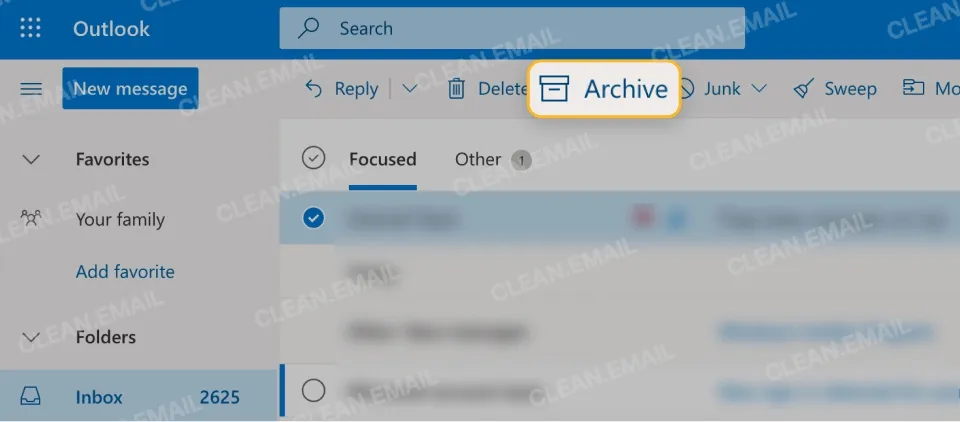
Imagine being able to easily access important correspondence without sifting through endless threads. When you archive, you’re not just stashing emails away; you’re making room for the conversations and tasks that need your immediate attention.
Incorporating archiving into your email routine can lead to a more streamlined workflow. It’s about finding that balance between retaining necessary information and ensuring your inbox isn’t a constant source of stress. If you're ready to enhance your email management, you’re in the right place.
Core Elements of Email Archiving
Archiving an email involves moving messages from your active inbox to a designated storage space, allowing for better management and accessibility. This process is essential for both personal organization and professional compliance. Here are the primary concepts to consider:
- Definition: Archiving refers to the process of preserving emails for long-term storage while keeping the inbox uncluttered.
- Purpose: The primary reason for archiving is to maintain an organized email space, making it easier to find important communications later.
- Accessibility: Archived emails can usually be retrieved easily through search functions, ensuring that nothing valuable is lost.
- Storage Options: Depending on the email service used, archived emails might be stored on the cloud or within a local file system.
- Retention Policy: Businesses often implement archiving policies to comply with legal requirements, dictating how long emails should be stored.
Pros and Cons of Email Archiving
Understanding the advantages and disadvantages of archiving can help you make informed decisions about your email management.
| Pros | Cons |
|---|---|
| Organization: Keeps your inbox tidy and manageable. | Accessibility Issues: Archived emails may take longer to locate due to different storage systems. |
| Compliance: Helps meet legal and regulatory obligations for email retention. | Storage Costs: Long-term storage may incur additional costs, especially with larger volumes of emails. |
| Reduced Clutter: Enhances productivity by minimizing distractions from irrelevant emails. | Potential Confusion: Users may forget email locations if not organized properly within the archive. |
For those looking to enhance their email management skills, exploring ways to organize your email inbox can complement your archiving efforts, helping you maintain clarity in your communications.
Real-World Examples of Archiving Emails
Streamlining Daily Workflows
Archiving emails related to completed projects reduces clutter in the inbox while keeping essential information accessible for reference when needed.
Why this matters: By keeping communication organized, professionals can easily locate important discussions without sifting through unrelated messages.
Maintaining Data Compliance
Many organizations archive emails to comply with legal or regulatory requirements, ensuring that critical correspondence is preserved for audit purposes.
Why this matters: Highlighting compliance with record-keeping regulations can protect an organization from fines or legal issues.
Improving Email Searchability
Archived emails can be quickly searched through specialized tools, making it easier to retrieve past communications when a specific context is needed.
Why this matters: Stating that a streamlined search function allows employees to quickly find relevant information enhances overall productivity.
Enhancing Collaboration
By archiving emails from team discussions, members can access historical correspondence that aids in understanding past decisions and project evolution.
Why this matters: Providing a historical context for projects allows new team members to get up to speed faster, fostering a collaborative environment.
Prioritizing Current Communications
Archiving older emails helps keep the inbox focused on current tasks and communications, reducing the likelihood of missing urgent messages.
Why this matters: Asking employees to prioritize their workload becomes simpler when unnecessary distractions are minimized.
Facilitating Email Migration or Upgrades
When transitioning to a new email system, archiving old emails allows for a smoother migration process, ensuring valuable data isn't lost.
Why this matters: Stating that this preparation results in a more seamless transition reduces frustrations during system upgrades.
Reducing Server Load
Archiving emails off the main server can significantly decrease server load and improve overall system performance, especially in large organizations.
Why this matters: By keeping the system running smoothly, employees can enjoy faster access to their current emails and applications.
Understanding Email Archiving
What does it mean to archive an email?
Archiving an email refers to moving it from your main inbox to a separate storage area without deleting it. This process keeps your inbox organized while retaining access to important messages when needed.
How does archiving differ from deleting an email?
When you archive an email, you simply hide it from your main inbox. Deleting an email, however, removes it from your account, often permanently. Archiving allows you to retain important information without cluttering your inbox.
Can I still find archived emails easily?
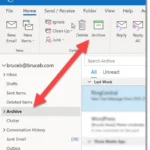
Yes, you can easily access archived emails by searching or finding them in the designated archive folder of your email service. Most platforms have a straightforward way to retrieve archived messages, ensuring nothing gets lost.
Is archiving emails beneficial for storage space?
Archiving can help manage storage space effectively, as many services limit inbox capacity. By archiving, you free up space in your inbox while keeping your archived messages available as needed.
Archiving emails isn’t just about freeing up space; it’s a simple way to keep your digital life organized and reduce unnecessary clutter. When you archive, you’re preserving important conversations while maintaining a clean and manageable inbox, making it easier to focus on what truly matters. So, next time you’re faced with a mountain of messages, think about hitting that archive button and embrace a more streamlined approach. You’ve got this!