Feeling overwhelmed by a cluttered inbox? You’re not alone. Many people struggle with the constant influx of emails, making it hard to find what really matters in their communications. Archiving emails in Outlook isn’t just about tidiness; it’s a practical solution to manage your workload and keep essential messages easily accessible.

Whether it's clearing up space or organizing your correspondence, knowing how to archive effectively can save you time and reduce stress. It’s about creating a workflow that suits your needs and allows you to focus on important tasks without the distraction of an overflowing inbox.
Core Elements of Archiving Emails in Outlook
Archiving emails in Outlook helps manage your inbox, freeing up space while keeping important messages accessible. Here’s how the archiving process works and what you need to know to get started.
Understanding Email Archiving
Email archiving keeps a record of your messages without cluttering your main inbox. It’s important for both organization and compliance, particularly in professional settings.
How to Archive Emails in Outlook
There are several methods to archive emails based on your preferred workflow:
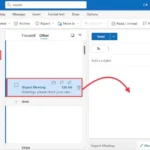
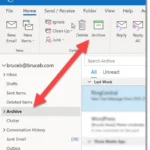
- Manual Archiving: - Select the emails you wish to archive. - Click on the "Home" tab. - Locate the “Archive” option and click it.
- Using AutoArchive: - Go to "File" > "Options" > "Advanced". - In the AutoArchive section, set your preferences for how often to archive messages. - Adjust settings for archiving deleted or old items.
- Moving to an Archive Folder: - Create a new folder in your mail list designated for archived messages. - Drag and drop emails into this folder manually.
Benefits of Archiving Emails
| Benefit | Description |
|---|---|
| Space Management | Reduces the volume of emails in your inbox, improving performance. |
| Improved Organization | Easier to locate old emails without sifting through a crowded inbox. |
| Compliance | Helps maintain a record of communications for legal or regulatory needs. |
| Retention Control | Offers options for how long to keep archived emails before permanent deletion. |
Considerations When Archiving
- Accessing Archived Emails: Make sure you know how to retrieve archived emails when needed.
- Retention Policies: Be aware of company policies regarding email retention to remain compliant.
- Backup: Regularly backup your archived folders to prevent data loss.
For a different email platform, you might want to explore how to see archived emails in Gmail for better email management at Aceentertainment.
Practical Uses of Email Archiving in Outlook
Organizing Personal Projects
Archiving emails related to personal projects helps to separate relevant information from daily clutter, making it easier to access essential communications.
Why this matters: Highlighting the importance of organization, this approach allows users to focus on ongoing projects without distractions from unrelated email threads.
Reducing Mailbox Size
Using the archive feature regularly enables users to manage mailbox size effectively by moving older emails to a separate archive folder, helping avoid any quota limitations.
Why this matters: Stating that an organized mailbox contributes to improved system performance, this helps in maintaining a smoother email experience.
Facilitating Regulatory Compliance
Archiving emails can assist organizations in meeting compliance requirements by reliably storing important communications for ease of access during audits.
Why this matters: Providing assurance that relevant information is preserved, this can improve compliance readiness and reduce potential liabilities in case of regulatory scrutiny.
Enhancing Search Efficiency
Archived emails can be indexed separately, allowing users to search through old messages more efficiently without sifting through the main inbox, speeding up retrieval times.
Why this matters: Asking users to consider how quick access to archived emails can improve overall productivity, this makes locating important information less cumbersome.
Simplifying Collaboration
By archiving group emails, teams can maintain a clean inbox while still having access to past discussions, essential for reviewing decisions made during collaborative projects.
Why this matters: Emphasizing the benefits of maintaining a tidy communication channel, this fosters a more collaborative environment while ensuring that important information remains accessible.
Keeping Track of Important Conversations
Not archiving key emails can lead to losing track of valuable exchanges. Archiving ensures that important dialogues remain accessible long after the initial interaction.
Why this matters: Stating that preserving communication history is vital for context in future conversations, this practice aids in maintaining continuity within ongoing dialogues.
Improving Email Focus
Implementing an archiving system helps to declutter the inbox, allowing users to focus on current email correspondence and minimizing distractions caused by older messages.
Why this matters: Providing clarity in the daily workflow, this promotes mental clarity that can enhance decision-making and prioritization of tasks.
Understanding Email Archiving in Outlook
How do I archive emails in Outlook manually?
To archive emails manually in Outlook, select the emails you want to archive, right-click, and choose "Archive" from the context menu. Alternatively, you can use the "Archive" button in the ribbon after selecting your emails. This will move them to the Archive folder for easier management.
Can I set up automatic archiving in Outlook?
Yes, you can set up automatic archiving in Outlook by going to "File," then "Options," followed by "Advanced." Under the AutoArchive settings, you can specify how often it runs and what it does, like moving older items to the Archive folder automatically.
What happens to archived emails in Outlook?
Archived emails in Outlook are moved from your main inbox to your Archive folder, helping you declutter your inbox. These emails remain accessible; you can search for them or open the Archive folder anytime to view them.
Is there a way to retrieve deleted emails from the Archive?
If emails were deleted from the Archive, you can try recovering them by checking the "Deleted Items" folder. If they aren't there, you can use the "Recover Deleted Items" feature under the "Folder" tab, provided your account allows this option.
Archiving your emails in Outlook doesn’t just keep your inbox tidy; it gives you peace of mind knowing your important information is stored safely and accessed easily whenever you need it. By taking these simple steps, you’re on your way to creating a more organized digital workspace, and who doesn't want that? So, go ahead—clear out those cluttered inboxes and make room for what truly matters. Happy archiving!