Need to keep a record of important emails? Saving them as PDFs is a smart move for both organization and accessibility. Whether it’s a crucial contract or a heartfelt message, having emails in a stable format can save you a lot of headaches later on.
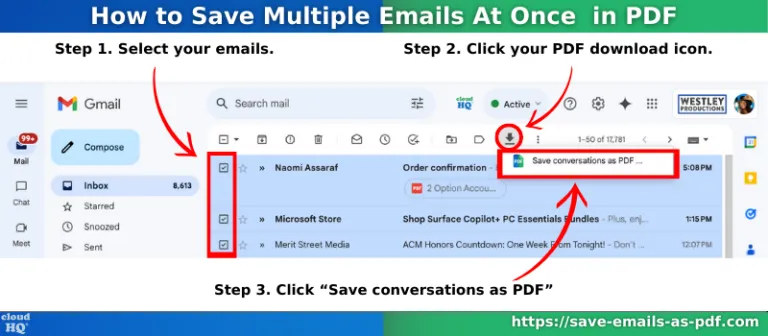
Maybe you’re managing customer interactions, keeping track of project updates, or just want to store treasured messages. Whatever your reason, learning how to save emails as PDFs is a straightforward process that can really simplify your email management. Plus, it ensures that you have all the essential details at your fingertips, even if the digital landscape changes.
Core Elements for Saving Emails as PDF
Saving emails as PDFs is a practical approach to archiving important communication or sharing it securely. Below are the essential components you need to know:
- Email Clients: Different email providers have varied methods for exporting emails. Ensure you know whether you're using Outlook, Gmail, or another service.
- Export Options: Select the appropriate export or print functionality, as this varies from client to client.
- PDF Software: Familiarize yourself with your PDF software. Some email clients may allow direct saving to PDF, while others may require additional steps.
- File Organization: Organize saved PDFs in a way that makes sense to you. Consider including dates or topics in the file names for easy retrieval.
Checklist of Steps to Save Emails as PDF
Follow these steps based on your email client to save your emails effectively:
| Email Client | Steps to Save as PDF |
|---|---|
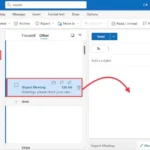
| Outlook |
|
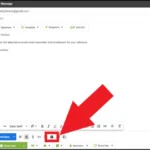
| Gmail |
|
Pros and Cons of Saving Emails as PDF
Understanding the benefits and drawbacks can help inform your decision on how to manage your email communications.
| Pros | Cons |
|---|---|
|
|
For more on email management techniques, check out this article on attaching emails in Outlook.
Practical Examples of Saving Emails as PDF
Archiving Important Correspondence
Saving emails as PDFs allows users to efficiently archive important correspondence without relying on an email service provider. This can be particularly useful for retaining contracts, agreements, or lengthy discussions that may need to be referenced later.
Why this matters: Stating the significance of having easily accessible documents ensures that important information is preserved for future use, preventing data loss over time.
Creating Professional Documentation
Many professionals use PDF formats to compile a series of communications into a single document, enhancing the presentation of project updates, meeting notes, or client interactions.
Why this matters: Highlighting professionalism in documentation can significantly enhance client perceptions, as it demonstrates organization and attention to detail.
Facilitating Collaboration
Team members can convert emails into PDFs for easier sharing during collaborations or presentations. This method allows for better control over content integrity, avoiding the possible errors of copying text directly from emails.
Why this matters: Providing a reliable format for sharing information ensures that everyone on the team is on the same page, reducing miscommunication and enhancing collaborative efforts.
Complying with Legal Requirements
Organizations may need to save emails as PDFs to comply with legal or regulatory requirements. Certain industries mandate the retention of communications for audit purposes, making PDF a suitable format due to its unalterable nature.
Why this matters: Ensuring compliance with legal standards can safeguard organizations from potential lawsuits or penalties, reinforcing the importance of proper documentation practices.
Enhancing Security Measures
PDFs can be encrypted and password-protected, offering a level of security that is not available with standard email storage. This feature is particularly important for confidential information such as financial documents or personal data.
Why this matters: Stating the need for security emphasizes the importance of safeguarding sensitive information, reducing the risk of data breaches during email exchanges.
Centralizing Information
By converting emails into PDFs, users can centralize important information from multiple discussions into a single file. This approach simplifies the search process when reviewing past communications related to a particular project or topic.
Why this matters: Asking how centralizing documents can streamline workflows encourages efficiency, as it minimizes time spent searching through various email threads.
Creating Backup Copies
Saving emails as PDFs provides a reliable method for backing up critical communications. Unlike emails that may be lost due to server issues or account changes, PDFs can be stored on personal devices or cloud storage.
Why this matters: Emphasizing the importance of having backup copies reinforces the need for data security, protecting users from potential loss of valuable information.
Understanding Email to PDF Conversion
What are the benefits of saving emails as PDFs?
Saving emails as PDFs preserves the content and formatting, making it ideal for record-keeping or sharing important information. PDFs are also widely compatible across devices and platforms, ensuring that the email looks the same no matter where it's viewed.
Can I save multiple emails as a single PDF file?
Yes, many email clients allow you to combine several emails into one PDF. This feature can typically be found in exporting or printing options, saving time and space while organizing your correspondence.
What should I do if my email client doesn't have a built-in PDF option?
If your email client lacks a direct save-to-PDF feature, you can print the email and select "Save as PDF" as your printer option. Alternatively, consider using third-party software designed for email management and PDF conversion.
Is there a difference between saving an email as a PDF and a printout?
Yes, saving as a PDF maintains a digital format that can be easily stored and shared, while a printout is a physical copy. PDFs also support searching and annotations, which printouts do not offer.
Saving your emails as PDFs not only keeps your important information secure, but also makes it a breeze to share or reference later. With a few simple steps, you can ensure that all those essential messages are neatly organized and easily accessible. So go ahead, try it out! You’ll be impressed by how much easier managing your emails can be, and who knows, this might just become your new favorite productivity hack. Happy saving!