Need to send a PDF but not sure how to make it happen seamlessly? You’re not alone. Whether you’re sharing important documents for work, sending over a report for school, or passing along cherished photos, knowing how to email a PDF file is a crucial skill in today’s busy digital world. 
Imagine this: You’ve created a great presentation or compiled vital information into a PDF, and now you need to ensure it reaches the recipient without a hitch. Emailing PDFs is remarkably straightforward, yet small mistakes can lead to confusion or, worse, an unreadable file. Let’s clear up any uncertainties you may have, so you can hit "send" with confidence.
This guide is designed to demystify the process, covering everything from attaching a PDF in various email platforms to troubleshooting common issues. With the right know-how, you’ll be exchanging PDFs like a pro in no time.
If you're looking for ways to share crucial information beyond just PDFs, check out our article on attaching emails in Gmail. It’s another handy skill that complements your email capabilities.
Essential Components for Emailing PDF Files
When it comes to sharing PDF documents via email, there are several core components you should consider to ensure the process runs smoothly and your recipients receive the files clearly.
- File Size: Verify the size of your PDF. Most email services have attachment limits, commonly around 25 MB. If your file exceeds this, consider using a cloud service.
- Subject Line: Use a clear and concise subject line. This helps the recipient understand the email's purpose immediately.
- Message Body: Briefly state the content of the PDF in your email’s body. Explain any action you want the recipient to take, whether it's reviewing, signing, or just acknowledging receipt.
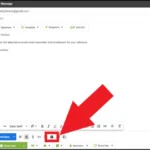
- Attachment Process: When attaching the PDF, make sure to click on the attach file icon in your email client, locate the PDF on your device, and confirm it’s attached before sending.
- Follow-Up: Consider sending a follow-up email if you expect a reply, especially if the document is time-sensitive.
| Component | Description |
|---|---|
| File Size | Check the file to ensure it meets the email service's size limitations. |
| Subject Line | Craft a subject that summarizes the email’s content clearly. |
| Message Body | Provide context for the PDF to facilitate understanding. |
| Attachment Process | Ensure the PDF is properly attached in the email before sending. |
| Follow-Up | Send a reminder if necessary to ensure receipt and action. |
By focusing on these essential components, you can make the process of emailing PDF files not only straightforward but also professional and effective.
For additional details on how to attach emails in Gmail for professional correspondence, check out this resource: How To Attach Gmail Email For Professional Communication.
Practical Applications for Emailing a PDF File
Sending Invoices to Clients
Small businesses frequently email PDF invoices to clients for easy payment processing. This format ensures the document remains unchanged and looks professional.
Why this matters: Stating the importance, maintaining document integrity prevents payment disputes and ensures clarity regarding services rendered.
Sharing Educational Materials in Class
Teachers often email PDF files containing lesson plans or supplementary materials to students, allowing access anytime and anywhere.
Why this matters: Providing easily accessible learning resources enhances the educational experience, ensuring that all students can engage with the material effectively.
Distributing Legal Documents
Law firms send legal documents such as contracts or case briefs in PDF format, ensuring that all parties receive the same version and format.
Why this matters: Highlighting the significance of consistent document sharing helps avoid legal complications and misinterpretations in sensitive situations.
Sending Resumes to Potential Employers
Job seekers often email PDF versions of their resumes to maintain formatting, ensuring that recipients see the document as intended.
Why this matters: Asking employers for an accurate representation of skills and experiences boosts the applicant's chances of making a positive impression.
Submitting Academic Papers
Students frequently submit academic papers in PDF format via email to professors or academic boards for evaluation, preserving formatting and structure.
Why this matters: By keeping submission standards consistent, students can focus on content quality rather than worrying about formatting issues that could detract from their work.
Emailing Product Manuals
Companies send PDF product manuals to customers via email, allowing easy access to troubleshooting and usage guidelines.
Why this matters: Providing users with easy-to-follow manuals enhances customer satisfaction and reduces support inquiries, creating a better overall experience.
Sharing Research Findings
Researchers commonly email PDF copies of their findings to colleagues for collaboration and feedback, ensuring everyone reviews the same document.
Why this matters: Highlighting collaborative efforts fosters communication and innovation, resulting in refined research contributions within the academic community.
Emailing PDF Files: Your Questions Answered
What are the steps to attach a PDF file to an email?
To attach a PDF to your email, start by composing a new message in your email client. Look for a paperclip icon or "Attach" button, click it, and browse your computer for the PDF file you want to send. Once selected, it will upload to the email, and you can then send it off.
Why isn't my PDF file attaching to my email?
If your PDF isn't attaching, it may be due to file size limitations set by your email service. Most providers have a cap, usually around 25MB. Another reason might be that the file is corrupted or your email client is having temporary issues — try restarting the program or service.
Can I send a PDF file from my phone?
Absolutely! On your phone, open your email app, start a new message, and look for an attachment option, often indicated by a paperclip. You can then select the PDF file from your device’s storage or cloud service to attach it easily.
What if the recipient can't open the PDF?
If the recipient can’t open the PDF, it’s possible they do not have a compatible PDF reader installed. Suggest that they download a dedicated PDF viewer or check their email security settings, as some filters may block certain attachments.
Sending a PDF via email doesn’t have to be complicated. Once you've created that perfect document, just keep a few simple steps in mind: attach it correctly, ensure the recipient can access it, and check the file size. With a bit of attention to detail, you’ll nail this communication without a hitch. So go ahead, hit send on that email! Your message is important, so get it out there and share your valuable information with ease.