Ever found yourself stressing over how to sign an important email? It’s more than just a formality; it’s about leaving the right impression and ensuring your communication is taken seriously. Whether you’re reaching out to a colleague or a client, the way you conclude your emails can set the tone for future interactions.

In the fast-paced world we live in, the small details hold massive weight. A simple email signature can project professionalism, warmth, or even authority. Knowing how to sign off both personally and virtually can elevate your email conversations, making you stand out in a crowded inbox.
If you’re unsure where to start, don't worry. This is all about making your email communication more effective and resonant with your audience. Understanding the elements of a well-crafted signature can empower you to convey exactly what you want in just a few lines.
Ready to explore how to sign an email in a way that feels right for you? Let’s break it down together. And if you want to dive deeper into professional email communication norms, check out this article on how to sign your emails professionally.
Essential Components for Signing Email Documents
Signing an email document isn’t just about affixing your name. It's a blend of professionalism and clarity, ensuring that your intentions and identity are well communicated. Here’s a breakdown of what to include when signing an email document.
- Your Name: Begin with your full name to establish identity. This sets a formal tone.
- Your Position: Including your title provides context. It informs the recipient of your role relevant to the email’s content.
- Company Name: If applicable, mentioning your organization adds credibility, especially in professional correspondence.
- Contact Information: Provide relevant contact details, such as your phone number or office address. This makes it easier for the recipient to reach out back.
- Email Signature and Branding: Utilize a structured signature, which may include your company logo and branding elements. This reinforces brand recognition.
- Social Media Links: If relevant, links to professional social media profiles (like LinkedIn) can enhance your online presence.
- Disclaimer or Confidentiality Note: For sensitive information, consider a short disclaimer to reinforce confidentiality.
When signing off an email, the choice of closing phrases can also affect the tone. Here are a few examples:
| Closing Phrase | Usage Context |
|---|---|
| Best regards, | Formal yet friendly; suitable for most professional situations. |
| Sincerely, | Traditional and formal; appropriate for important or formal correspondence. |
| Thank you, | Used when expressing gratitude within the correspondence. |
| Warm wishes, | Suitable for a more personal touch in semi-formal communication. |
Remember, your email signature is a reflection of your professionalism. Keeping it clear and informative ensures recipients have all the details they need without overwhelming them. This practice enhances communication and builds trust.
For more on professional email signatures and their significance, check out the article on How To Sign An Email For Professional Communication.
Practical Ways to Sign an Email Document
Utilizing Digital Signatures for Security
Digital signatures employ cryptographic methods to secure email documents, ensuring that the sender's identity is verified and the document is untampered with. This is particularly essential in legal and financial sectors.
Why this matters: Highlighting the importance of security, digital signatures prevent fraud and unauthorized alterations, which is crucial in maintaining trust and integrity in communication.
Embedding an Email Signature for Consistency
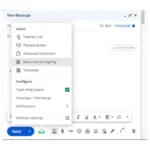
Inserting a personalized email signature at the end of each email provides vital contact information, including name, position, and company details. This signature is consistent across all communications.
Why this matters: By keeping your email signature consistent, you're enhancing professional branding and making it easy for recipients to understand who you are and how to reach you.
Including Legal Disclaimers in Email Signatures
Many organizations append legal disclaimers in their email signatures to delineate the boundaries of communication, covering liabilities or confidentiality clauses, especially in sensitive industries.
Why this matters: Providing language that clarifies the nature of the correspondence protects both sender and recipient, thereby minimizing potential misunderstandings or legal ramifications.
Using Email Signature Generators for Professional Design
Email signature generators offer customizable templates that allow users to create polished signatures without needing design skills. These tools often integrate social media icons and logos seamlessly.
Why this matters: Stating that first impressions count, well-designed signatures can enhance professionalism and foster brand recognition among recipients.
Incorporating Call-to-Action Links
Email signatures can include hyperlinks to websites, portfolio pieces, or social media profiles. This feature encourages recipients to engage further with the sender’s work or business.
Why this matters: By providing direct access to more information, you're encouraging engagement and increasing opportunities for networking or collaboration.
Personalizing Signatures for Different Recipients
Adapting your email signature based on the recipient—such as formal signatures for clients and more casual ones for colleagues—allows for appropriate tone-setting in correspondence.
Why this matters: Asking for a tailored approach reflects an awareness of the recipient's position and relationship to the sender, fostering a more personal connection.
Utilizing Mobile Apps for On-the-Go Signing
Mobile applications enable users to sign documents directly on their smartphones, allowing for quick approvals or confirmations wherever they are. This is commonly used in remote work scenarios.
Why this matters: Providing flexibility in communication helps maintain productivity and responsiveness, especially in today’s fast-paced workplace environment.
Understanding the Process of Signing Email Documents
What are the different methods to sign an email document?
You can sign an email document using various methods: electronic signatures, scanned handwritten signatures, or even by using a digital signature tool. Each method has its own level of security and formality, so choosing the right one depends on the document's importance.
Is an electronic signature legally valid?
Yes, electronic signatures are generally considered legally binding in many jurisdictions, thanks to laws like the ESIGN Act in the U.S. However, it’s wise to verify the specific regulations in your area, especially for critical documents.
How do I create an electronic signature?
Creating an electronic signature can be done through various software options, which often allow you to draw, type, or upload an image of your signature. These platforms usually provide user-friendly interfaces for easy signing.
What should I consider when signing sensitive documents via email?
When signing sensitive documents, ensure that you’re using secure email services and reputable signature tools. Be wary of phishing attempts, and consider encrypting your email to protect the contents.
When you sign an email document, it's all about making a connection—whether you’re wrapping up a friendly message or addressing something more serious. A well-considered signature not only leaves a lasting impression but also adds a personal touch to your communication. So, as you go about adding your signature, think about how you want to present yourself and the tone you want to convey. Embrace the opportunity to connect authentically with your recipients, and don't hesitate to personalize your signature to reflect who you are. You’ve got this! If you’re looking to elevate your email communication further, check out how to sign an email for professional communication for handy insights.