Email signatures might seem like a minor detail, but they pack a powerful punch. They’re your last word in a conversation, and how you sign off can influence how recipients perceive you—whether it’s your professionalism, authority, or even your trustworthiness. If you’ve ever wondered how to sign an email document properly, you’re in the right spot; this skill can make all the difference in building strong relationships.

Whether you're negotiating a deal, reaching out to a client, or simply following up with a colleague, knowing how to sign your emails can streamline communication and reinforce your brand. In a world where first impressions are often made through digital interaction, the right email signature helps you stand out for all the right reasons.
Now, let's go through the straightforward steps you need to get your email signature right. It’s easier than you might think, and you’ll soon see the benefits reflected in your professional interactions.
Core Elements of Email Document Signing
Signing an email document involves several straightforward steps and essential components, ensuring that your signature not only looks professional but also serves its purpose. Here’s a breakdown.
- Signature Block: This is usually at the bottom of an email or document and includes your name, title, and contact information. A well-structured signature enhances credibility.
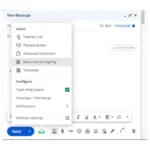
- Email Client Features: Most email services offer built-in signature options where you can create, edit, and store your signature for automatic placement in outgoing emails. Familiarize yourself with these features for greater efficiency.
- Digital Signature Adoption: For formal documents, entities often utilize digital signatures. This enhances the security and authenticity of the signature, proving the identity of the sender.
- Graphic Elements: Adding a logo or other visual elements can set your signature apart. Make sure these images are properly sized and do not overwhelm the text.
- Legal Considerations: Be aware of the legal context in which you’re signing documents. Different jurisdictions have specific laws surrounding electronic signatures that you should understand.
- Personalization: Tailoring your signature to reflect your personality or brand can make it more memorable. Consider fonts, colors, and layouts that align with your identity.
| Element | Description |
|---|---|
| Signature Block | Contains your name, title, and contact information. |
| Email Client Features | Utilize built-in options for quick signature insertion. |
| Digital Signatures | Enhances security and proves sender identity. |
| Graphic Elements | Includes logos or images, properly sized. |
| Legal Considerations | Understand applicable laws around electronic signatures. |
| Personalization | Reflects your individual or brand personality. |
For those using Outlook, you can learn more about enhancing your professional appearance with your signature by visiting this article.
Practical Examples of Signing Email Documents
Digital Signature for Legal Documents
Utilizing a digital signature helps authenticate legal agreements and contracts sent via email. Services like DocuSign or Adobe Sign enable users to sign documents securely, ensuring that both the sender and receiver can verify the signer’s identity.
Why this matters: Highlighting the legitimacy of digital signatures protects the integrity of legal transactions, making them binding and enforceable in court.
Email Signature with Branding
Incorporating a professional email signature at the end of communications reinforces brand identity. This can include a logo, contact information, and social media links, providing recipients with easy access to additional resources.
Why this matters: By keeping your brand visible, you enhance recognition and maintain a consistent professional image across all communications.
Use of E-signatures in HR Documents
Human Resources departments leverage e-signatures for employee on-boarding documents, such as tax forms, contracts, and policy acknowledgments, facilitating quicker processing and reducing paperwork.
Why this matters: Providing efficiency in the hiring process accelerates administrative tasks, allowing HR to focus on more strategic initiatives.
Email Signature with Call-to-Action
Including a call-to-action in your email signature, such as a link to schedule a meeting or a promotional offer, engages recipients and encourages them to take further steps.
Why this matters: Asking for engagement actively cultivates customer relationships, increasing the likelihood of ongoing communication and potential sales.
Securing Sensitive Information
Employing encrypted emails for sending sensitive documents ensures that only the intended recipients can access the information, maintaining confidentiality in communications.
Why this matters: Stating the importance of encryption safeguards sensitive data, fostering trust and compliance with data protection regulations.
Streamlining Internal Approvals
Organizations use email signatures and e-signatures to streamline internal approval processes, allowing team members to sign off on documents electronically, reducing delays caused by physical signatures.
Why this matters: Providing a quicker approval workflow enhances productivity and allows projects to progress without unnecessary holdups.
Customizing Signatures for Different Departments
Customizing email signatures for various departments—such as sales, support, or management—ensures that the most relevant information is included, catering to the recipients' needs.
Why this matters: By keeping communications tailored, you enhance clarity and improve the chances of a positive response from recipients.
Understanding Email Document Signing
What methods can I use to sign an email document?
You can sign an email document using several methods. The most common include applying a digital signature, using electronic signature software, or manually signing a document and then scanning it to attach. Each method has its own advantages, depending on your needs and the level of security required.
Are digital signatures legally binding?
Yes, digital signatures are generally considered legally binding in many jurisdictions, as long as they comply with relevant laws like the ESIGN Act in the U.S. and eIDAS in the EU. It's essential to ensure that the signature process meets legal standards, especially for contracts or official documents.
Can I sign a PDF document directly in an email?
Absolutely! Many email clients and PDF software allow you to sign a PDF document directly. You can often use features like the "sign" option in applications like Adobe Acrobat or online services that let you upload and sign documents securely.
What are the security concerns with signing documents via email?
Signing documents via email can expose you to security risks, such as phishing attacks and unauthorized access. Always use trusted platforms and ensure your documents are encrypted, especially when sharing sensitive information.
Making sure your email document is signed properly not only boosts your professionalism but also strengthens your personal touch in communications. Finding the right way to sign off, whether it’s with a digital signature or a warm sign-off, shows that you care about your correspondence. Take a moment to consider how your sign-off reflects who you are. If you want to enhance your email presence even more, check out our piece on elevating your email signature in Outlook. Go ahead and give it a shot—you might be surprised at how much of a difference it makes!